
To enhance its existing cleaning interventions, the City of Cape Town has developed the Soet River Pollution Abatement Strategy and Action Plan (PASAP).
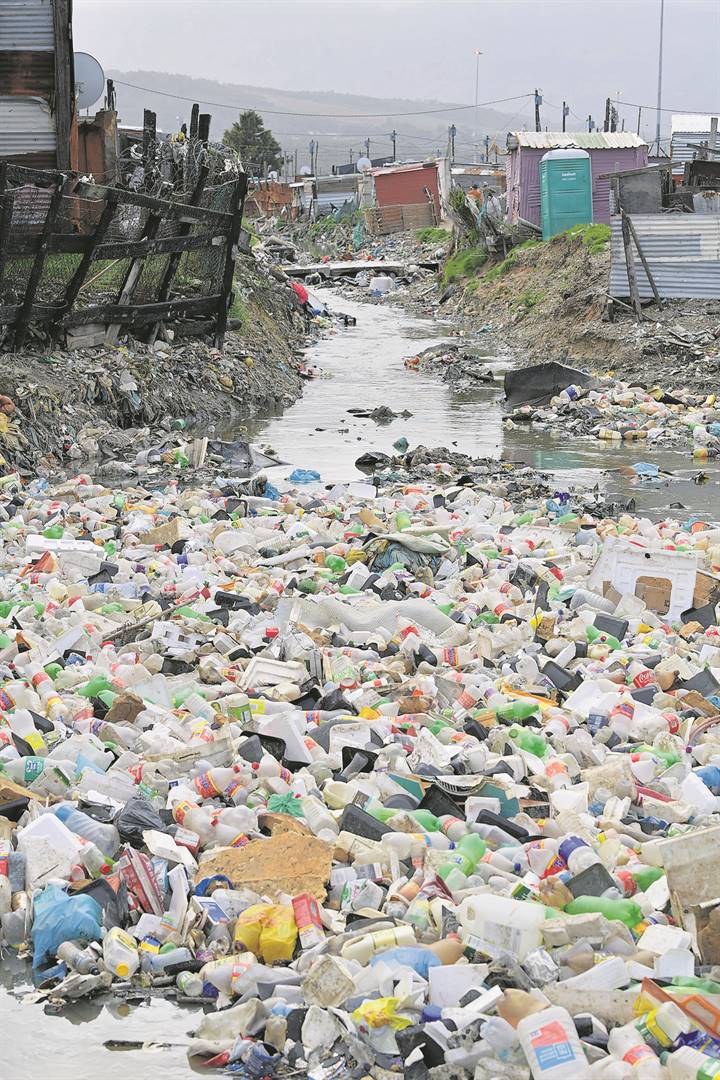
The comprehensive plan outlines a series of multipronged efforts aimed at addressing the chronic waste issues plaguing a section of the Soet River that flows through the townships of Lwandle and Nomzamo.
Despite ongoing cleaning efforts by the municipality’s Water and Sanitation and Urban Waste Management directorates, which allocates at least R1,5 million to clean the waterway annually, this section of the river remains heavily polluted due to persistent illegal dumping.
The situation has worsened since the rapid increase in informal settlements during the Covid-19 pandemic in 2020, leading to the river being burdened with not only solid waste but also night soil (human waste) and grey water.
Plan of action
In response to the challenges, the City put together the PASAP, where workable solutions are proposed for implementation in the short, medium and long term.
Some include:
- Pollution management: This requires developing, implementing and maintaining integrated pollution management systems like PASAP to effectively prevent, reduce and control pollution in general.
- Sewer pump stations: Upgrading pump station infrastructure to avoid failures.
- Addressing sewerage overflows from manholes: Regular inspections and cleaning required, installing litter traps and investigating illegal storm water and sewer cross-connections.
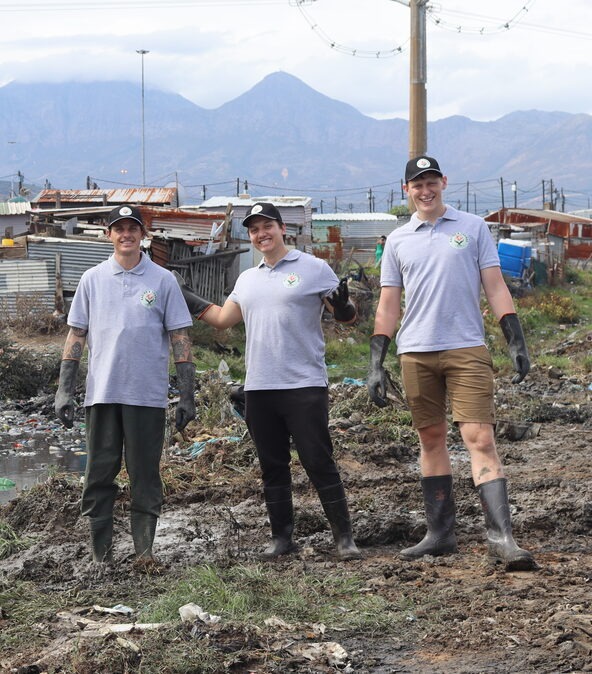
- River wardens: Train and appoint river wardens to clean the river, report overflows and related problems that would otherwise be undetected.
- Improving conditions in temporary informal settlements: Upgrading certain facilities to reduce the impact of greywater in the Soet River system, as well as upgrades to reduce flooding, improve public spaces and formalised ablution facilities.
- Bioremediation: Making use of bioremediation technology for the removal of contaminants, pollutants and toxins from the water flowing in the river.
- Integrated solid-waste management: Door-to-door waste collection services, area cleaning and regular education and awareness campaigns.
Existing cleaning efforts
During the 2023-’24 financial year, the City’s Catchment Stormwater and River Management (CSRM) branch undertook a number of maintenance activities, such as cleaning the section next to ACJ Phakade School in Nomzamo, Wag ’n Bietjie canal in Lwandle, Broadlands Road canal in Lwandle, Selven Street (Nomzamo section), along Onverwacht Road from the N2 (Lwandle), Lwandle canal and pond, and dredging of the Soet River along Onverwacht Road in Lwandle and Nomzamo.
For this 2024-’25 financial year, the CSRM branch intends on spending over R3 million for maintenance and cleaning (including dredging) several sections of the Soet River and Soet River canals.
“Chronic waste pollution due to rapid informality is choking the Soet River, which is not good for residents and the environment, so the City has put together an action plan which will be implemented over time, to help tackle this challenge. This aims to augment City inventions that are already taking place,” said Zahid Badroodien, Mayoral Committee member for Water and Sanitation.
“Currently the City spends between R1,5 million to R2,6 million each year on continuous cleaning efforts, but while it visually improves for a short while, this is not sustainable because the illegal dumping continues – which also doesn’t improve the water quality in the river.
“As we work towards putting this multipronged plan into action, we need residents to please join hands with us and put their waste in the right place, using the solid-waste services provided.”
More about the Soet River
The Soet River catchment has a total catchment area of 17,4 km², which flows from the north-east in a south-westerly direction, and forms the central “spine” of the Soet River catchment’s drainage network.
The catchment topography is generally flat, with only the upper area contributing sub-catchments to the north of Sir Lowry’s Pass Road, being moderately sloped to steep. The catchment has a variety of land-uses. The upper sub-catchments to the north of Sir Lowry’s Pass Road are generally agricultural, while below the Sir Lowry’s Pass Road, the land-use is predominantly medium to high density residential, with pockets of industrial and commercial development.