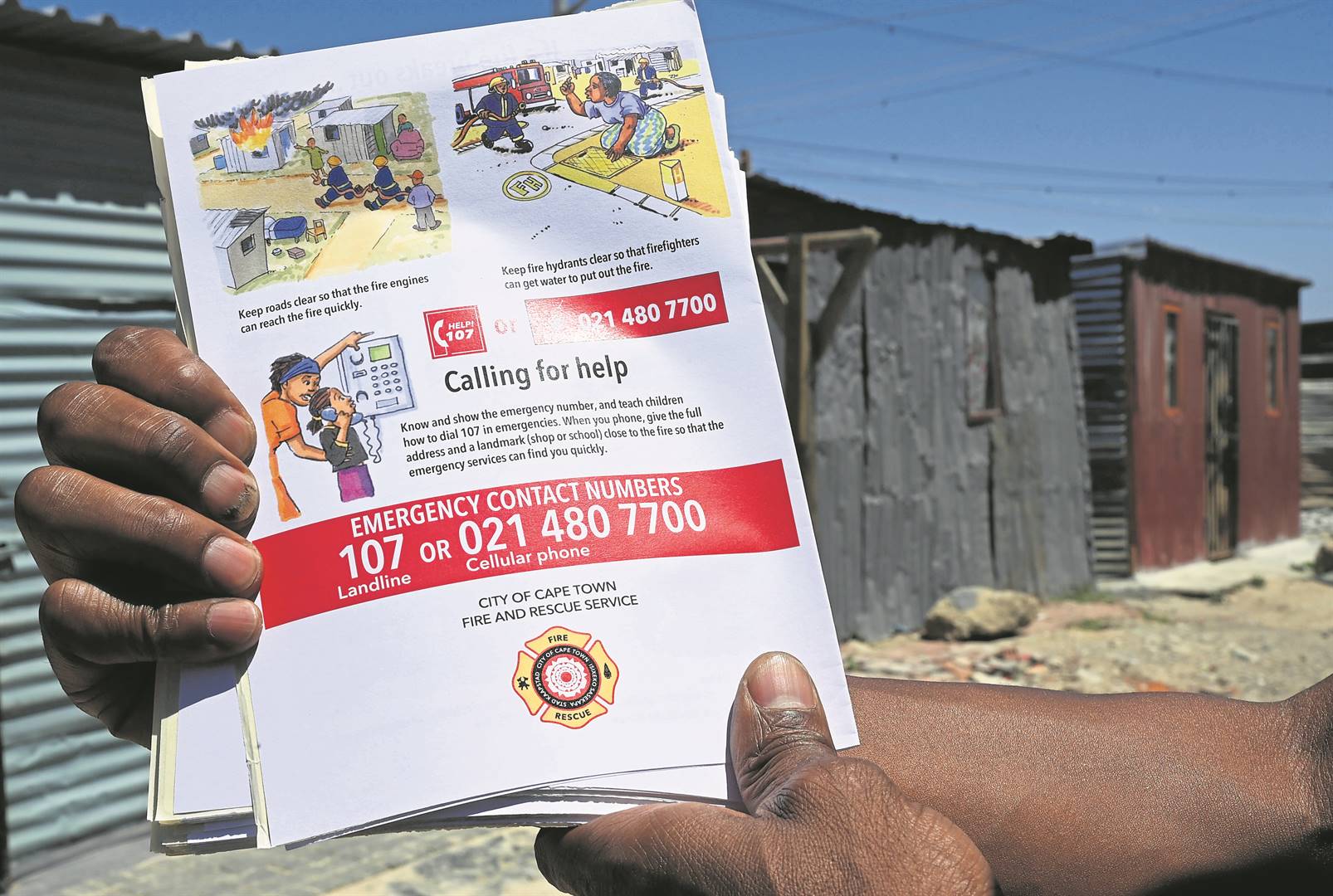

It is fire season and locally fires are as a result of a number of factors, like the climate, topography, the often devastating south-easterly wind, densification and the rate of informality.
The City of Cape Town has continued investing in its fire & rescue service, to ensure that it is one of the best functioning and resourced services in the country.
However, fire safety is everyone’s business, and while the City has a duty to respond effectively to fires, conduct fire safety inspections and promote education and awareness efforts, the public also has a responsibility to help prevent fires and act swiftly to protect themselves and their loved ones, in case of an emergency.
Fire safety at home
A number of activities or heat sources can present fire risks.
Many of the risks are universal – irrespective of whether you live in a formal residential setting, or in an area of informality.
The difference is that fires in informal settings spread quicker and can affect more people if not brought under control quickly.
Consider this when engaging in the following activities:
Cooking
- Keep stoves on flat surfaces, away from flammable materials.
- Never leave stoves unattended; use a damp cloth for oil fires.
- Practise “stop, drop, and roll” for clothing fires.
- Turn pan handles inward and keep the stove area clear.
- Extinguish braai fires and use fireguards around open fires.
Lighting/Heating
- Cut candles in half and use holders; extinguish before sleeping.
- Place heaters safely, away from flammable items, and turn off when not in use.
- Avoid drying clothes on heaters and keep a window open for ventilation.
- Store and use electric blankets safely.
Electrical
- Unplug unused items and cool appliances before storing.
- Avoid overloading sockets and use extension cords safely.
- Conduct regular safety inspections and use registered electricians.
Smoking
- Use deep ashtrays and ensure cigarette butts are fully out.
- Avoid smoking in bed and encourage outdoor smoking.
Flammable goods
- Store chemicals safely and keep storage areas free from flammable materials.
- Minimise and safely store combustibles like petrol and paints.
Liquid petroleum gas
- Limit to one in-use and one spare cylinder.
- Store cylinders upright and away from flammable materials.
- Keep a fire extinguisher handy and supervise children around gas.
Children
- Teach fire dangers and keep matches or lighters out of reach.
- Ensure children know fire emergency procedures.
Roofs/Ceilings
- Use non-combustible insulation and treat thatch roofs with fire retardant.
- Inspect and clean fireplaces and chimneys annually.
Open burning
- Controlled and permitted only for specific purposes.
General
- Keep a fire extinguisher or bucket of sand in the kitchen.
- Maintain clear access routes and practise evacuation plans.
- Store important documents in a fireproof container.
- Build informal structures with sufficient spacing to prevent fire spread.
Fire safety in non-residential spaces
Fire safety is crucial in all settings, including workplaces, public facilities, entertainment establishments, and hotels. Compliance with legislation like the community fire safety bylaw is mandatory for public safety.
Consider these safety tips:
Work spaces
- Keep workspaces tidy and clear of combustible waste daily.
- Safely discard waste and keep it away from the public.
- Clear production areas, benches, and similar places of dust and rubbish.
- Clean pipes, ducts, beams, trusses, and electrical fittings.
- Keep areas outside buildings free of combustible items.
- Regularly service machinery to prevent overheating.
- Ensure motor vents are free of blockages.
- Clean drip trays and absorb oil leaks with suitable materials.
- Have adequate cleaning equipment to quickly clear spillages.
Buildings
- Secure entrances against unauthorised access.
- Keep internal fire-resistant doors closed.
- Regularly inspect buildings for damage and decay.
- Ensure buildings have alternate emergency escapes if occupancy exceeds 25 persons, distance to escape exceeds 45 meters, or the building is three storeys or more.
- Ensure portable fire equipment is ready and available.
- Train staff to handle emergencies.
- Install and maintain fire safety equipment to acceptable standards.
- Use only SABS 1475 approved companies for firefighting equipment, serviced at least once a year.
- Fire & rescue service must authorise the removal or relocation of firefighting equipment or emergency exits.
Wildfires
Cape Town’s dry, windy summers increase wildfire risks. The City has plans for increased resources, aerial support and collaboration with firefighting entities. The public must also help prevent and mitigate fires.
Urban edge residents
- Maintain a 10-meter firebreak.
- Keep firebreaks free of flammable materials and prevent soil erosion.
- Control vegetation and invasive plants.
- Remove dry leaves, weeds, and pine needles.
- Trim trees and remove dead branches.
- Prune flammable plants near windows.
- Store flammable items safely.
- Keep fire hydrants accessible.
General public
- Follow fire danger index and weather conditions.
- Make fires only in designated areas and monitor them.
- Fully extinguish fires with sand.
- Prevent children from handling flammable materials.
- Dispose of cigarette butts properly.
- Report any signs of fire immediately.