

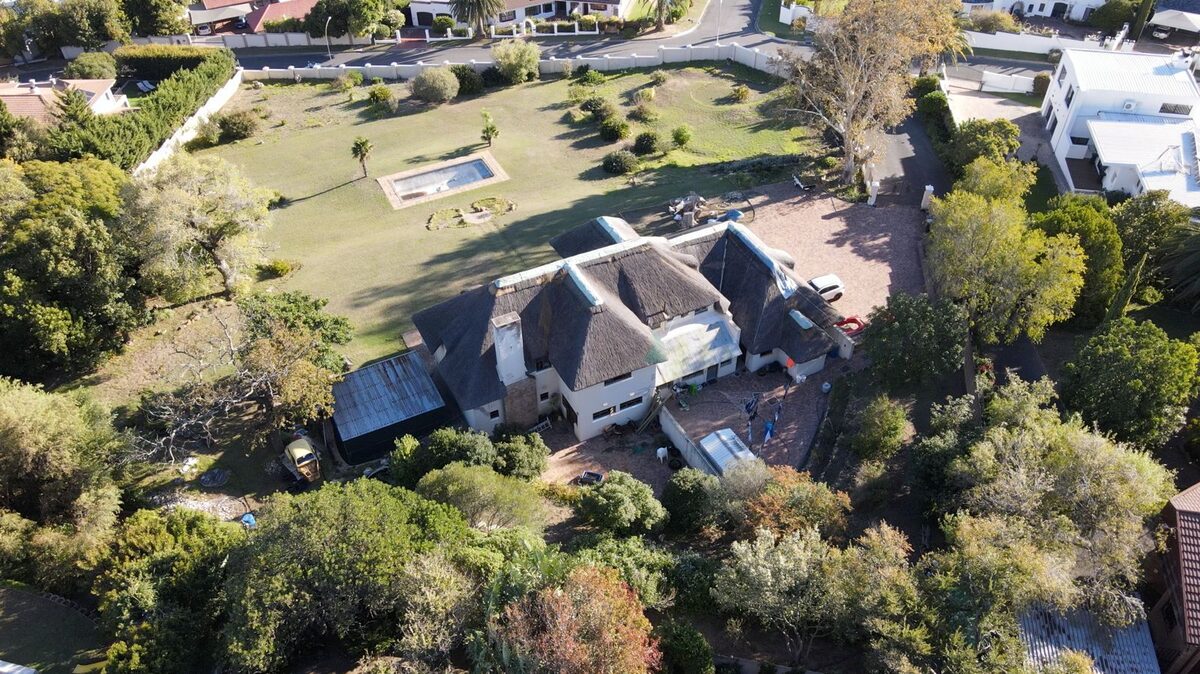
The long-standing heritage battle over the 80-year-old Somerset West property known as Blue Waters has reached its conclusion.
The Western Cape Heritage Appeal Tribunal (HAT) has unanimously dismissed the residents’ appeal, clearing the way for the total demolition of the structure at 14 Lewes Street in the Briza residential area.
The decision, handed down on Friday 29 May, marks the end of a fierce dispute between conservation-minded neighbours and developers aiming to transform the 5 877,4 m² site into a 10-unit residential estate (“Row over bid to raze ‘Blue Waters’,” DistrictMail & Helderberg Gazette, 15 October 2025).
The ruling brings to a close a highly contested administrative process that intensified shortly after residents first mobilised late last year.
A succession of legal developments followed the initial public outcry. Last November, Heritage Western Cape’s (HWC) Built Environment and Landscapes Committee (BELCom) approved the total demolition and issued a Section 34 permit, finding no compelling intrinsic heritage value to warrant retaining the house.
In February this year, locals appealed BELCom’s decision, but HWC’s internal Appeals Committee dismissed the appeal on 19 February, upholding the demolition authorisation.
Aggrieved by the outcome, the appellants – represented by Werksmans Attorneys – escalated the matter on 23 March, lodging an appeal with the Western Cape provincial minister of Cultural Affairs and Sport, Ricardo Mackenzie.
An independent tribunal, chaired by Advocate Graig Philander and comprising Eureka Barnard and Dr Piet Claassen, was subsequently appointed to evaluate the case.
Following a formal site inspection on 8 May and oral arguments on 15 May, the tribunal upheld the previous decisions and confirmed the demolition permit.
Stables connection
While surrounding neighbours placed considerable weight on the site’s historical connection to Captain GAR North and the Bahari Blue Waters Stud Arabian horse lineage, the tribunal found that these associations did not translate to the physical structure.
“The intangible heritage related to the Arabian horse breeding lineage is not connected to the house but could only be potentially connected to the stables,” the record noted from earlier hearings, a position the tribunal ultimately supported.
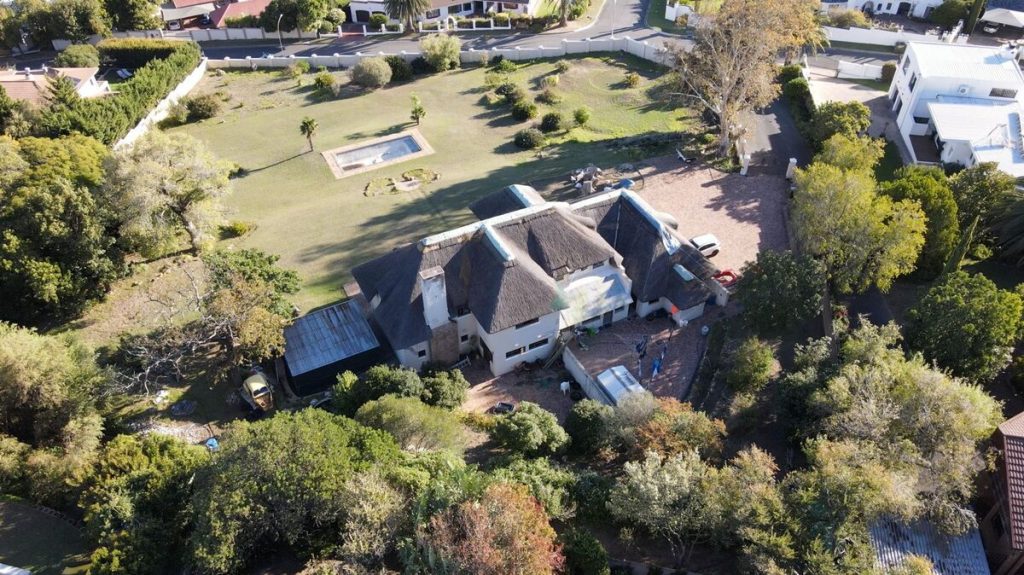
In its final assessment, the tribunal highlighted several critical factors: the double-storey thatched farmhouse is ungraded and falls outside any Heritage Protection Overlay Zone (HPOZ); professional evaluations described it as an ordinary, significantly altered building, with many original windows already replaced by standard modern fittings; and the original stables associated with the historic stud farm are located at 5 Lewes Street – long since converted into a separate, standalone house – rather than at the manor house earmarked for demolition.
The tribunal further emphasised that compelling a private owner to absorb extraordinary costs to restore or replicate a building of minimal wider cultural significance constitutes an unfair infringement on property rights, particularly when the owner derives no economic benefit from doing so.
Ultimately, the tribunal ruled that broader community benefits and regional development potential outweigh the preservation of the single property, noting that retaining the structure in its current, unrestored state would only delay much-needed urban redevelopment capable of delivering modern, safe, and compliant housing.
HWC was directed to issue the necessary permit to proceed with demolition.
While the loss of the mid-20th-century manor house is deeply regretted by local conservationists, the site’s transition from a rural remnant to a modern suburban residential estate is now legally cleared to proceed.
In a statement, developer “db spaces” said: “The integrity of the project has been confirmed by the recent ruling of the independent tribunal. Demolition will commence as soon as possible, and the development is continuing as planned.”


You must be logged in to post a comment.