

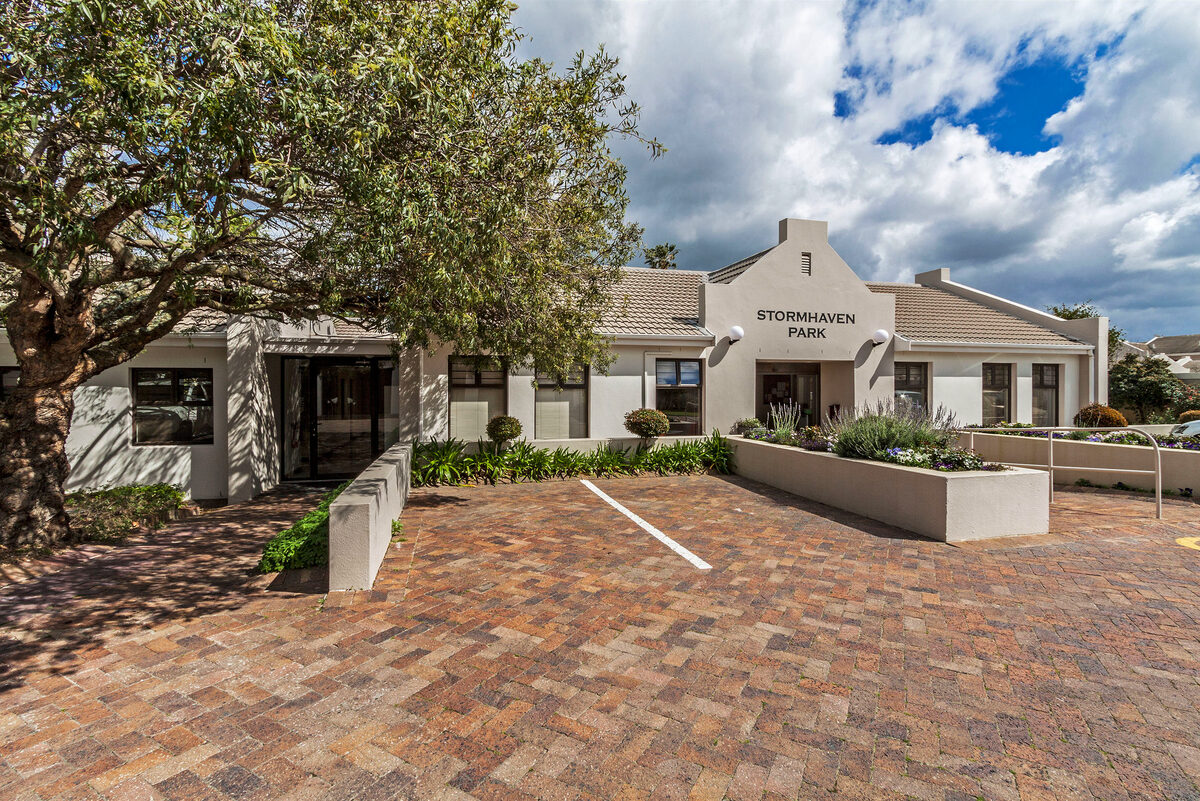
The tranquil exterior of Stormhaven Park, a Somerset West retirement community established in 1987, has been shattered by an escalating battle between its board of trustees and a large group of frustrated homeowners.
What began as internal friction over daily management has grown into a full-scale governance crisis, marked by High Court-registered legal orders, a multi-million-rand budget deficit and open resident defiance.
The ongoing feud reached a critical turning point earlier this year, when consecutive Community Schemes Ombud Service (CSOS) adjudication orders were officially filed in the Western Cape High Court.
In a landmark ruling issued by Adjudicator Philani Zuma on 15 January and filed in the High Court on 18 March, the trustees were hit with a series of mandatory compliance directives.
This followed a September 2025 order, which forced the body corporate to hand over years of previously withheld financial records.
The High Court-registered orders demand that the Stormhaven Park Trustees immediately implement several structural reforms. These include the recalculation of reserve fund contributions to meet statutory minimum thresholds after years of non-compliance, the ceasing of charging common estate expenses on a per-person basis, ordering that the Administrative Fund be funded strictly via individual Participation Quotas (PQ), and to convene the next annual general meeting (AGM) in strict accordance with the law, ensuring the proper circulation of audited financial statements.
Historic troubles
The roots of the legal rebellion trace back to a comprehensive CSOS dispute application originally lodged in August 2023. Documents revealed that the retirement village, which houses a vulnerable population where the majority of residents are older than 75, had been operating under severe, continuous financial strain.
In March 2024, a Special General Meeting (SGM) representing a commanding 72,6% PQ successfully passed five member-driven motions. These resolutions legally capped trustee discretionary spending, restricted the hiring of expensive outside legal consultants, and mandated open monthly meetings.
Despite these measures, residents state they have been left entirely “in the dark” without mandatory budget forecasts, audited financials or levy schedules since 2024. Furthermore, records indicate that the board has failed to convene a statutorily compliant AGM for the past two consecutive financial years.
The conflict reached a boiling point following an “Emergency SGM” called by trustees on 17 April, to push through a localised painting project.
Homeowners were left deeply frustrated when leadership strictly limited the assembly to a single topic, refusing to allow any broader discussion on the estate’s deteriorating state or unapproved High Court litigations.
“A body corporate cannot function when its elected trustees appear shielded by a manager and an attorney, are inaccessible, or are unwilling to engage directly with the people they represent,” wrote a long-standing resident in a formal objection.
In a direct challenge to the board, a coalition named the “Concerned Owners” organised an informal brainstorming assembly on Thursday 7 May. On Wednesday 6 May, the trustees issued a controversial official notice attempting to “disallow” and block the gathering on common property.
Petition initiated
Labelling the board’s ban an “extraordinary overreach” and an attempt to intimidate pensioners, 54 residents defiantly filled the estate clubhouse anyway. The anonymous, structured session resulted in the drafting of an urgent plan of action to address their concerns.
The meeting concluded with the vast majority signing a petition to force an immediate SGM to review whether the trustees still hold a mandate to govern.
In a formal response to DistrictMail & Helderberg Gazette, Clara Brand of Brand Attorneys, acting on behalf of the Stormhaven Park Trustees, strongly disputed residents’ claims.
Brand asserted that the allegations reflect the complaints of a “specific faction” of residents rather than verified findings of misconduct.
Regarding the missing AGMs and withheld disclosures, Brand stated: “The AGM process has experienced delays arising from a combination of ongoing disputes, administrative complexities and the need to ensure that the financial and governance information presented to owners is accurate and properly finalised.
“The allegation that owners have been ‘left in the dark’ or that information has been intentionally ‘withheld’ is disputed.”
Brand emphasised that there is absolutely no evidence of financial misappropriation or improper fund conduct by the board.
She concluded that the board of trustees are currently implementing measures to strengthen communication and regularise governance obligations, adding that leadership does not believe it is constructive to litigate internal body corporate matters through the media.


You must be logged in to post a comment.