

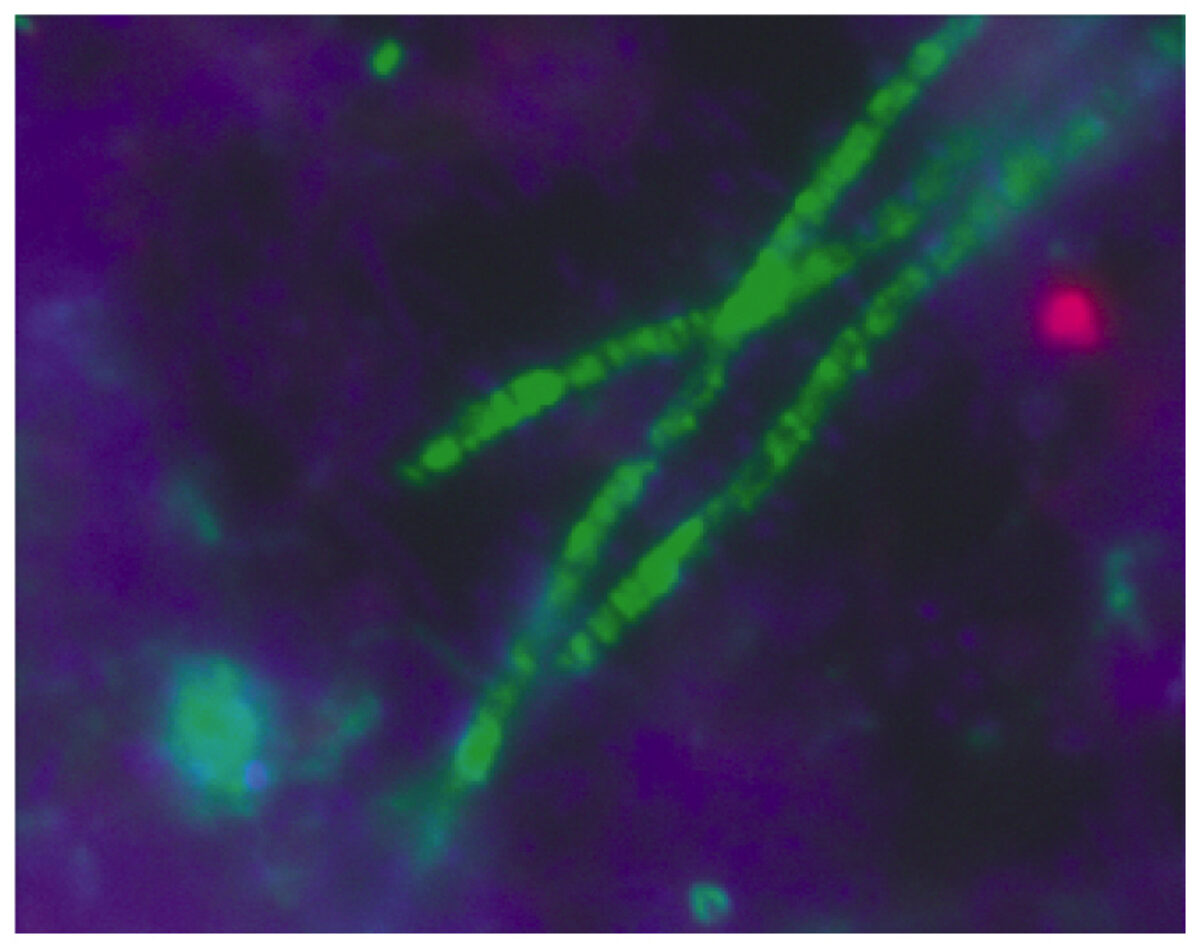
When we think of bacteria and fungi, our minds often jump straight to disease, rot or spoiled food.
But beneath our feet in the Western Cape, an invisible, microscopic universe is quietly keeping our entire ecosystem alive.
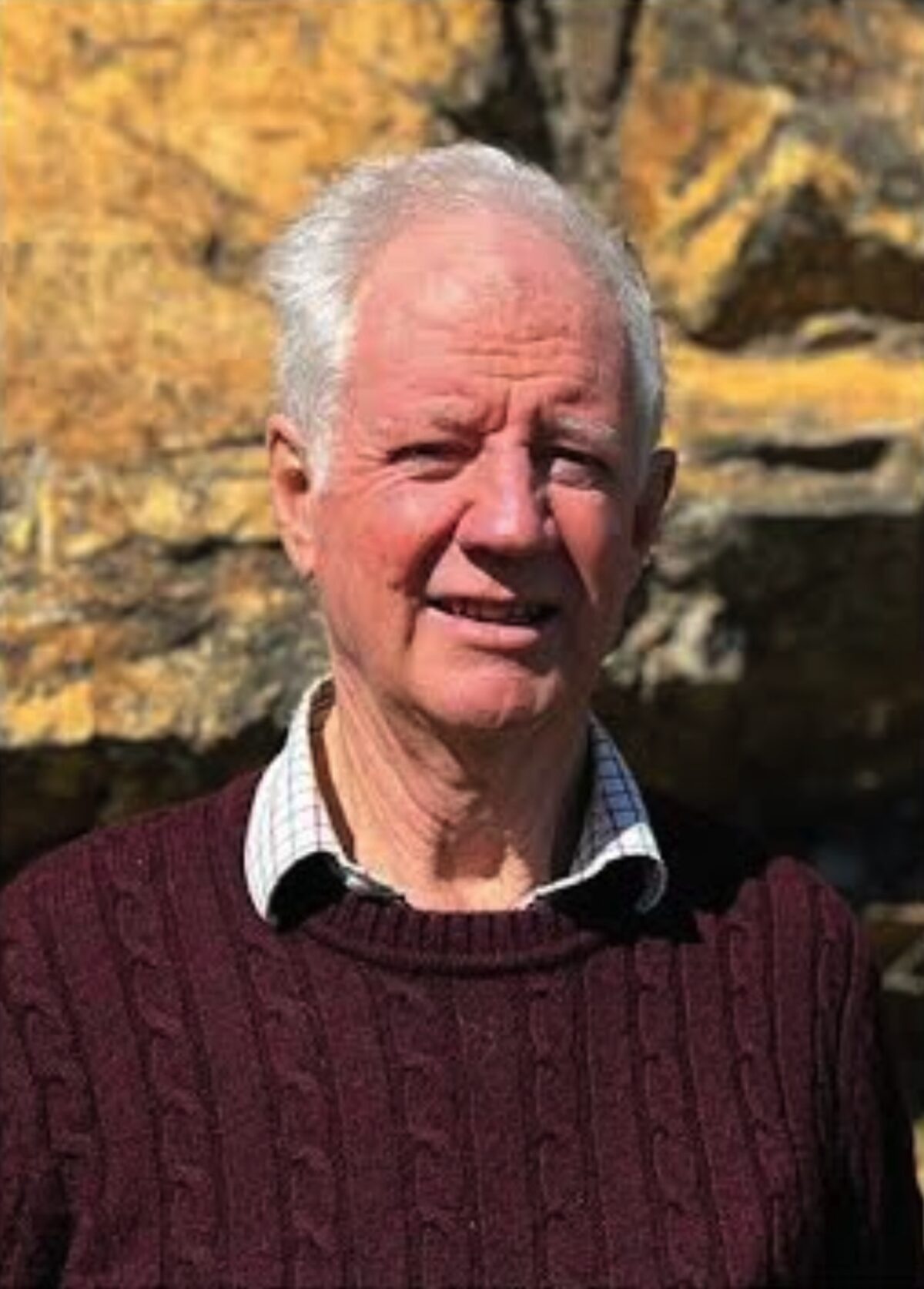
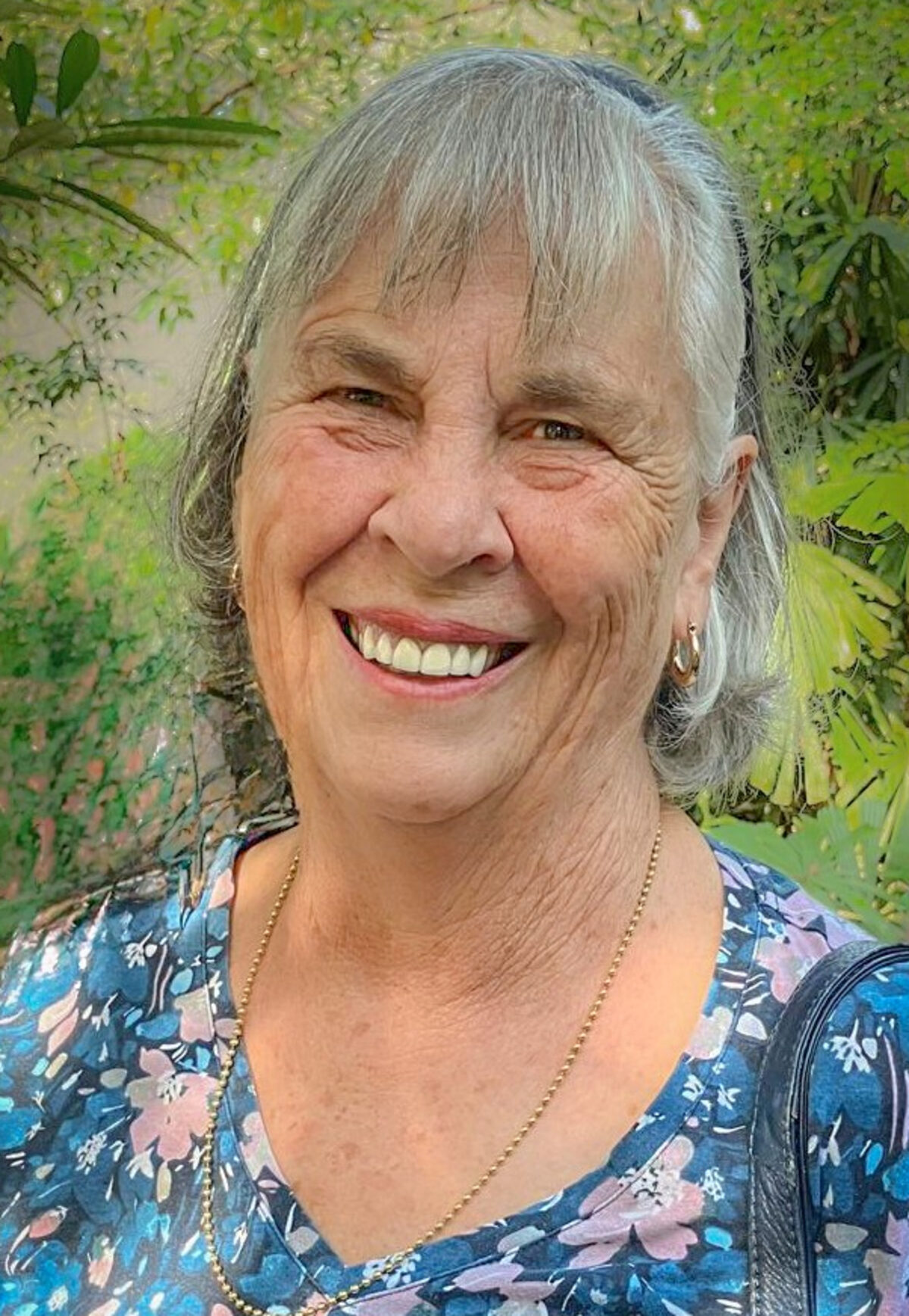
To help locals understand this hidden world, the Helderberg Nature Reserve will host a fascinating talk at 18:30 on Thursday 18 June. The presentation, titled “The Living Soil: Why Microbes Matter”, will be delivered by Prof Karin Jacobs, a leading expert in microbial ecology from Stellenbosch University.
The talk comes on the heels of groundbreaking local research. Jacobs recently co-authored a pioneering study mapping out the so-called hidden partners of our regional soils.
She specifically examined a highly dominant but mysterious phylum of bacteria known as Acidobacteriota.
By collecting soil samples from nearby conservation areas like the Jonkershoek and Kogelberg nature reserves, the research team discovered that our native fynbos soils hold massive amounts of unclassified, completely unique microbial life. In some areas, up to 19% of these vital bacteria belong to entirely unknown strains found nowhere else on Earth.
These microbes act as a sort of engine for soil health. For decades, modern agricultural practices, including heavy reliance on synthetic fertilisers, chemical pesticides and monocrop systems have damaged these delicate underground communities. This has left soils degraded and less resilient than they once were.
Ironically, as farmers look for ways to build sustainable food systems amid changing climates, they are turning back to the microbes to restore natural soil function.
Jacobs’ talk will strip away the dense academic jargon and explore the incredibly diverse lifestyles of these tiny soil organisms. Attendees will learn exactly how the microscopic creatures break down complex nutrients, fight plant diseases and can be harnessed to make local food production more sustainable and chemical-free.
Whether you are a commercial farmer, an avid home vegetable gardener or simply a nature lover curious about the fungi and bacteria of the Cape Floristic Region, this talk offers a rare glimpse into the vital ecosystem right under our feet.
. Tickets cost R140 and include a glass of wine. Booking is essential, as seats are limited. Book via email on smalltalx.info@gmail.com, online at www.smalltalx.info, or send a WhatsApp message to 073 421 8879.

You must be logged in to post a comment.