

Nature works slowly, and along the shores of False Bay its rhythms have shaped beaches, reefs and fish life for generations.
From Strand to Gordon’s Bay, anglers and walkers alike have watched the seasons turn, the sand shift and the fish move with tides and temperature.
But in recent years, the balance between nature and human activity has begun to tilt and the effects are becoming harder to ignore.
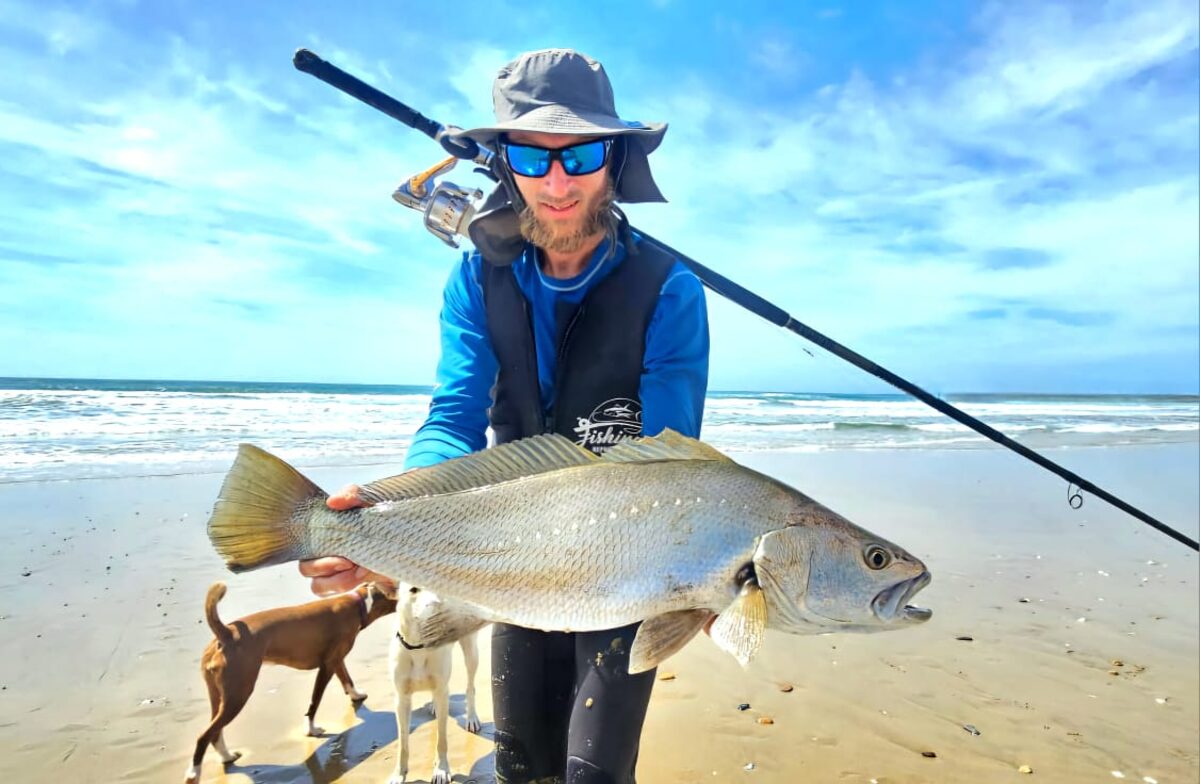
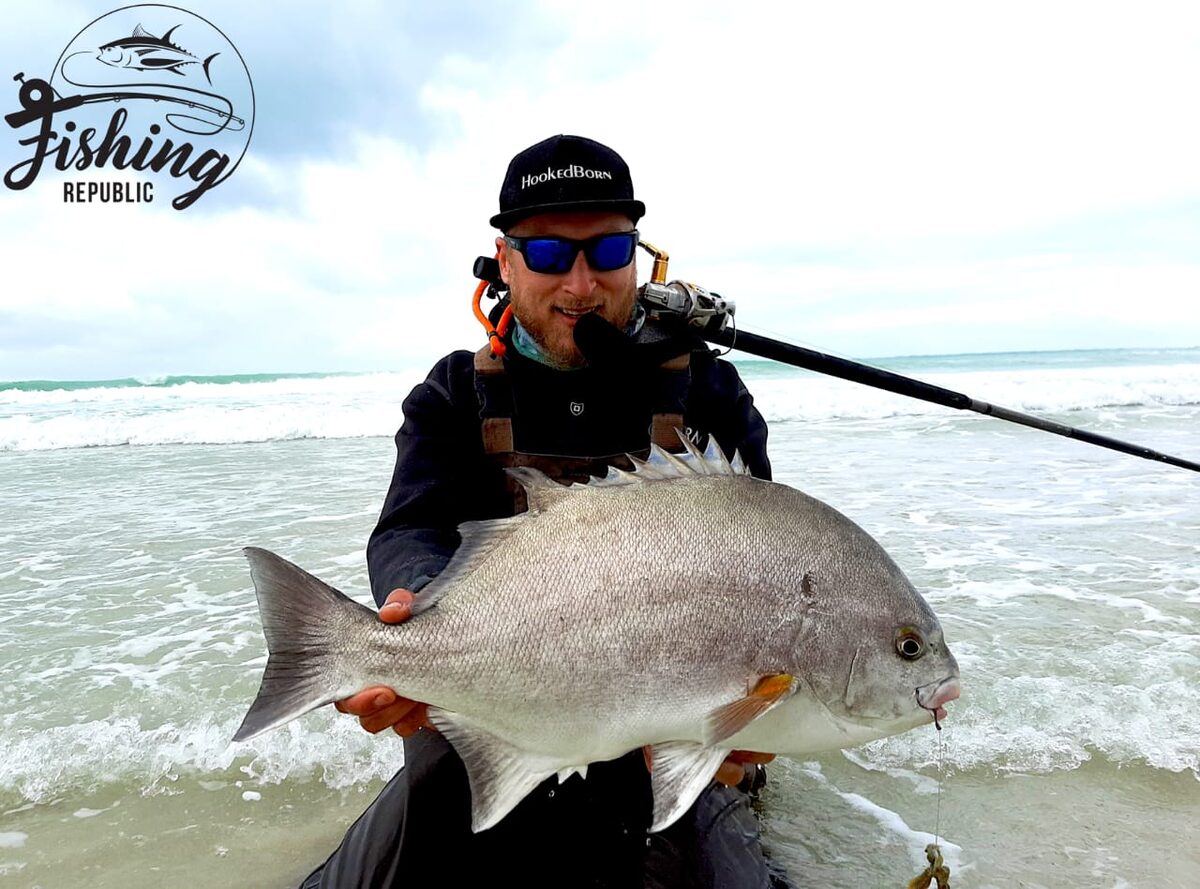
Inshore fish such as kob, white steenbras and musselcracker are particularly vulnerable along our coastline, especially in False Bay. These species live close to shore, grow slowly and depend on specific habitats to feed and breed.
Kob move along sandy beaches following baitfish, while white steenbras rely on healthy surf zones and sandy flats to work prawns and worms. Musselcracker depend on intact reef systems which harbour mussels, crabs and redbait. When these habitats are disturbed, the fish feel it long before we do.
Nowhere is this more visible than along Strand beachfront. Large-scale construction, including sea walls and promenade developments, is often necessary to protect infrastructure, but it comes at a cost. Hard structures interrupt natural sand movement, changing how waves deposit and remove sediment.
Over time, beaches narrow or harden, and the soft, living surf zone begins to disappear.
That surf zone is not just sand – it is home to sand prawns, bloodworms and countless small organisms that form the foundation of the food chain. When these organisms are lost or reduced, kob move on. When the bait disappears, the fish follow.
What many anglers experience as “fish just not being there anymore” is often the result of subtle habitat changes that began years earlier. This change is clear to those who have spent their lives next to the water. I hear it in the shop daily: how difficult it has become to catch fish, especially for those starting their fishing careers.
Fishing sits directly within this changing environment. It can either add pressure or help reduce it. One of the simplest ways anglers in False Bay can fish more responsibly is by using circle hooks. Unlike traditional hooks, circle hooks are designed to hook fish in the corner of the mouth rather than deep in the throat, greatly improving survival when fish are released.
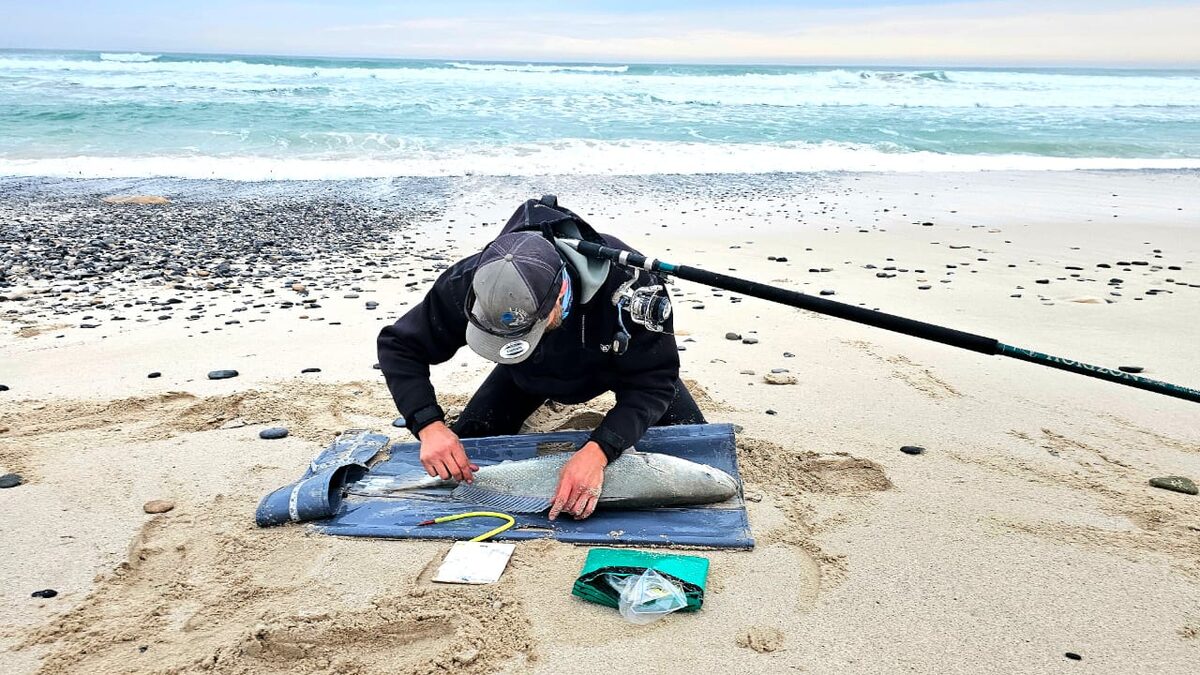
Having a bucket of water at hand is essential when releasing or tagging fish. Keep the fish wet and handle it with a wet cloth to avoid removing scales and its natural slime layer, which provides a protective barrier against infection.
Fish tagging offers another way for local anglers to actively protect the fishery. Through the Oceanographic Research Institute’s tagging programme, anglers contribute valuable data on fish growth, movement and survival. In a bay like False Bay, where fish move between sandy beaches, reefs and deeper water, this information is critical.
Tagging has helped scientists understand spawning movements, seasonal patterns and the importance of certain areas as nursery grounds.
Many of the regulations that apply in False Bay today are shaped by this research. Kob are typically limited to one fish per angler per day, with a minimum size of around 50 cm. White steenbras and musselcracker generally carry minimum size limits of 60 cm, also with strict bag limits.
These measures exist to protect breeding fish and prevent further decline in already pressured stocks.
True conservation, however, goes beyond regulations. Handling fish carefully with wet hands, avoiding dragging them over dry sand, supporting larger fish properly, and keeping them out of the water for as little time as possible, all make a real difference. Taking only what is needed, respecting closed areas and understanding why certain beaches fish differently after construction or storms are part of fishing stewardship that will be vital for future generations.
Fishing in False Bay has always been about more than the catch; it is about reading the water, understanding the land behind the beach and recognising that everything is connected. When we harden shorelines, we change currents. When currents change, sand moves. When sand life disappears, the fish leave.
The future of kob, white steenbras, musselcracker, and all our inshore species in False Bay – and along the entire South African coastline – will not be decided only by laws or enforcement, but by how we as recreational and commercial anglers respect and treat the ocean and its fish species.
The bay is still alive, but it is paying attention to what we do. The question is whether we are paying the same attention in return. I fear that we are letting False Bay’s abundant marine life and ecosystem slip through our fingers at a far faster rate than we all think.
Fishing Republic is a conservation-minded fishing store. We strive to educate and promote sustainable angling so that our children and their children can enjoy the ocean and its beautiful fish species.
Please visit us at 73 Beach Road, Strand, Shop 6, Helderberg Centre, or follow @fishingrepublicstore on Instagram or @fishingrepublic on Facebook.


You must be logged in to post a comment.