

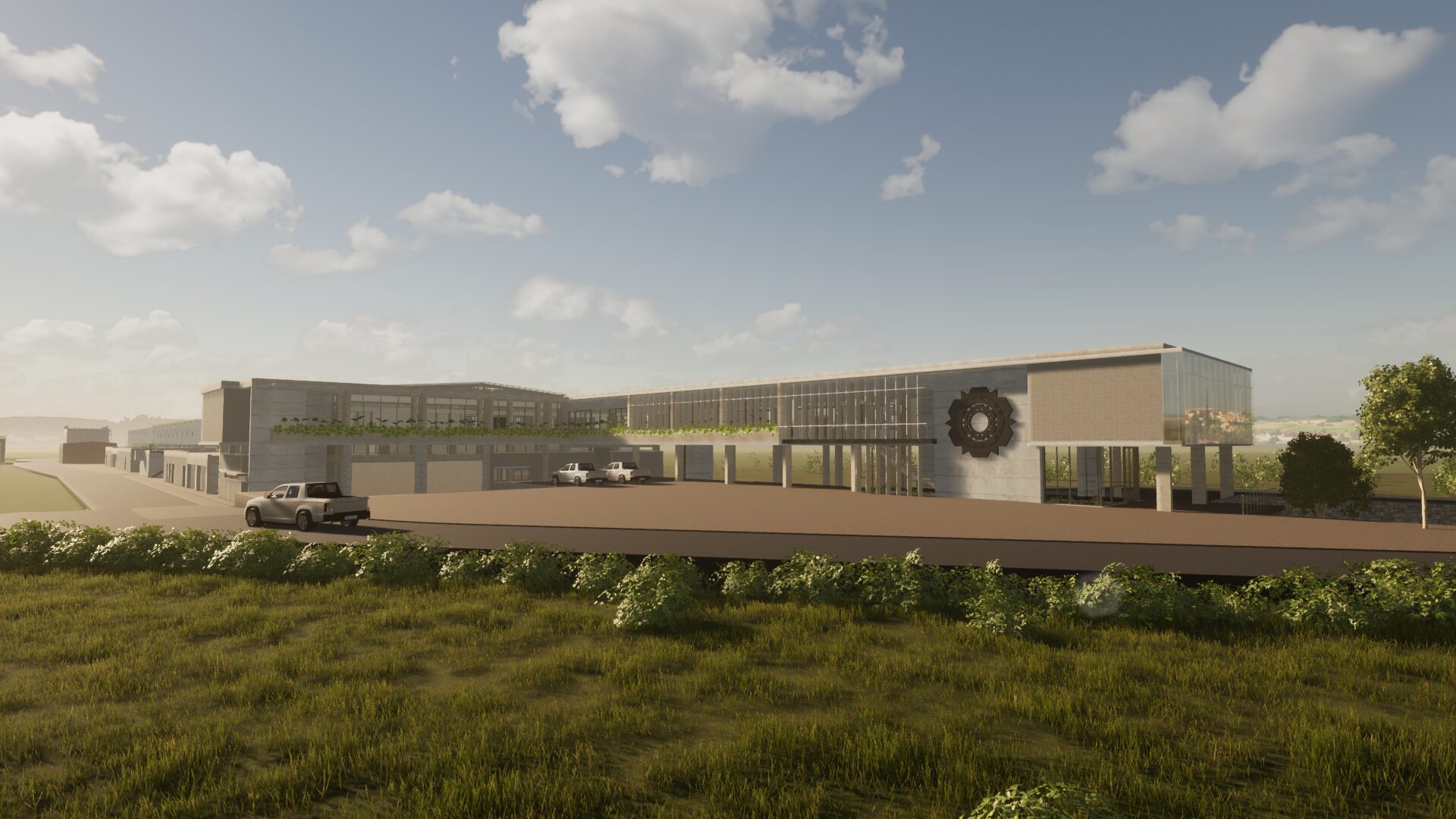
Only a handful of residents attended a public meeting hosted by the City’s Water and Sanitation Directorate at the Strand Town Hall on Thursday 3 April, where the municipal officials outlined ambitious plans for a new water scheme in Faure.
The project, stemming from the Cape’s 2018 water crisis and subsequent water strategy, proposes to take treated water from the Zandvliet wastewater treatment plant, further refine it in an advanced facility, and integrate it into the Faure water treatment plant to provide up to 100 million liters of purified recycled water daily, supplementing the city’s existing water sources.
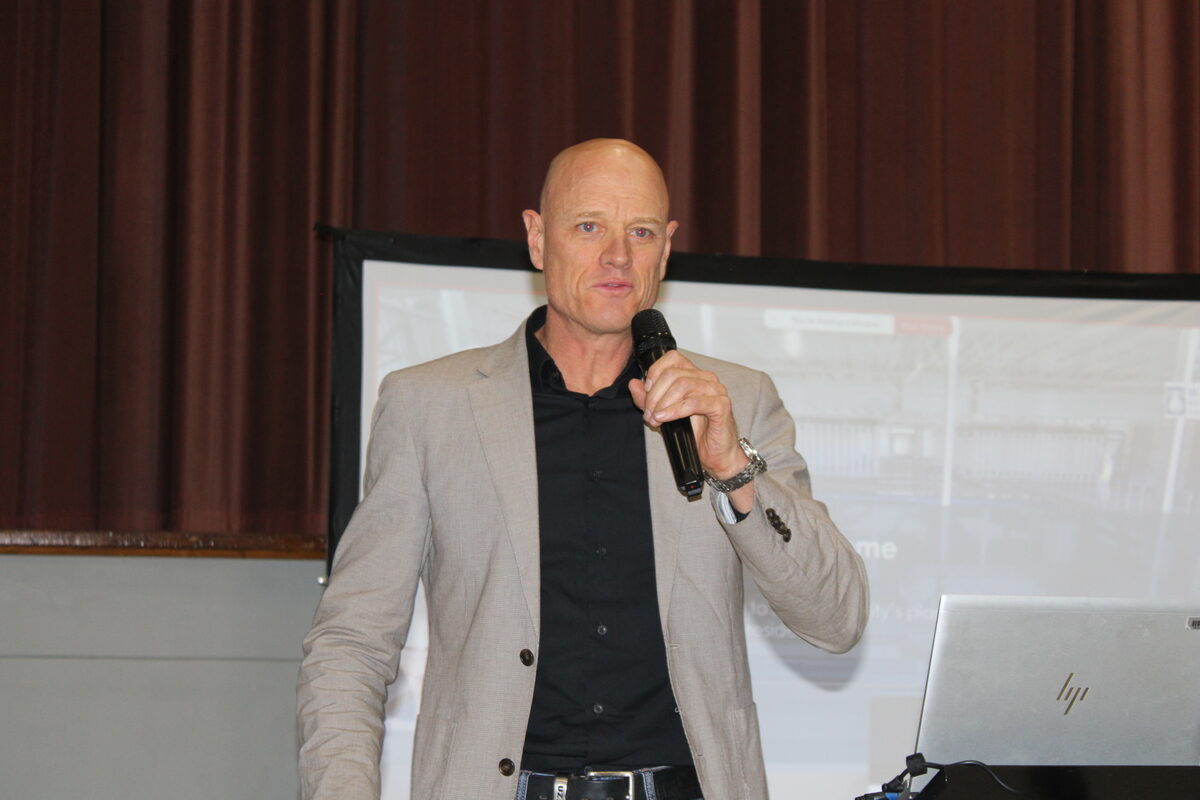
Kaashifa Aziz, who serves as the project manager for the Faure New Water Scheme, opened the meeting by introducing herself and handed over to Brendon Theunissen, a water and wastewater treatment expert who has been appointed as consultant during the feasibility study of the project, which is currently underway.

Theunissen explained that the scheme forms part of a broader strategy to diversify water sources, including surface water, groundwater, reuse and desalination, with the goal of achieving 25% of water from these diversified sources. “This project is an ambitious undertaking, and we need to carefully consider how we will execute it,” he said.
He emphasised the need for new infrastructure and a “multi-barrier process” to ensure water safety. The City is currently in the planning and design phase of the project, which includes a detailed feasibility study. “We’ve begun the process of determining the feasibility and whether we should proceed,” Theunissen explained. “This meeting is part of that [feasibility study]. Once the study is complete, we will make it public.”
The municipality is exploring various implementation models, including City-built and outsourced, City-owned, and public-private partnerships. The projected cost is currently estimated at R750 million, with a targeted completion date of 2031.
Theunissen also addressed the issue of unaccounted-for water, stating: “Currently, 26% of our water is unaccounted for, largely due to estimations and meter errors, not physical loss. The actual figure could be 19% but we are working to reduce this to 15%.”
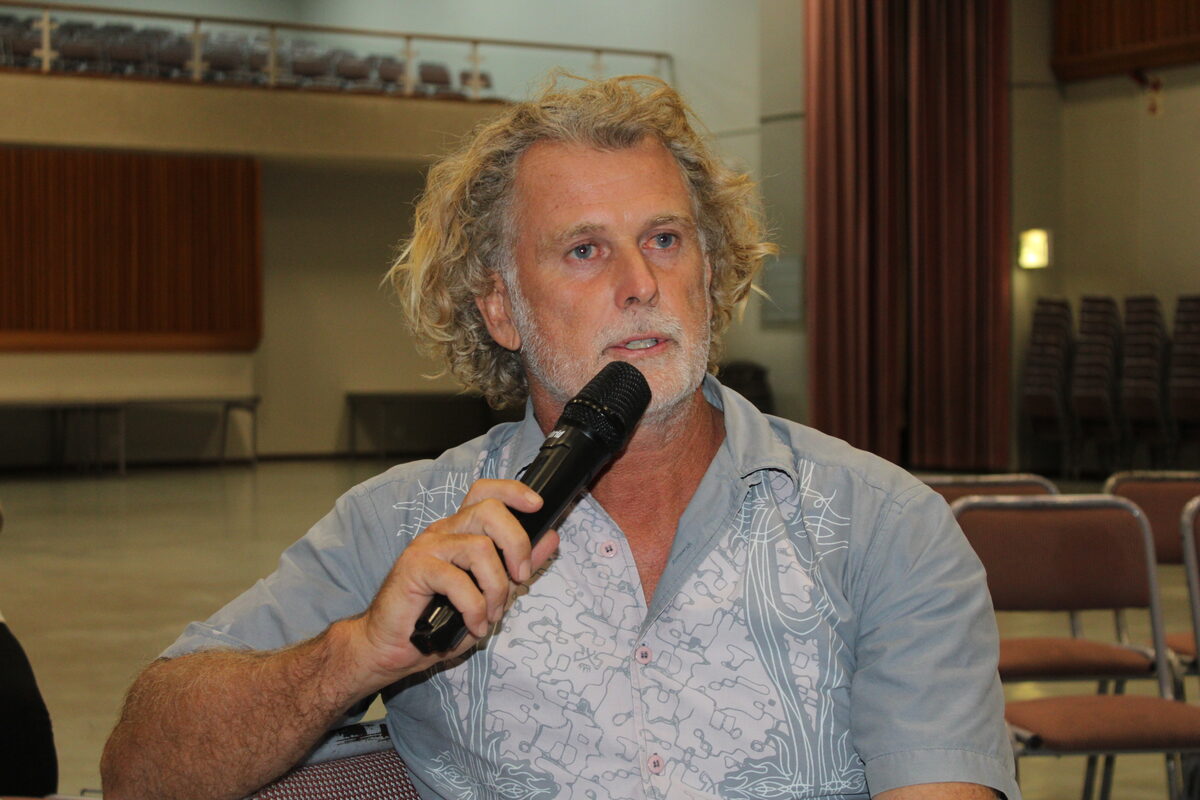
However, the project faced scrutiny from environmental activists, particularly regarding water quality. Jamii Hamlin, an environmental activist from the Bays of Sewage community group, raised concerns about the standards to which the water would be prepared.
“We need to know what standards the water will meet and clarification on whether lingering compounds from treated wastewater can be adequately removed, as this is not currently the case. We also need clarity on adherence to SANS 241,” he said.
SANS 241 is a South African National Standard that sets the minimum requirements for potable water, covering microbiological, physical and chemical parameters to ensure safe drinking water.
Hamlin’s concerns highlighted a “trust deficit” regarding the City’s ability to ensure water safety.
The City responded by assuring the public that they are “taking every precaution” and “utilising expert guidance to ensure the best possible outcome”.
Theunissen addressed Hamlin’s concern directly, stating: “The compounds you refer to are indeed unacceptable for consumption. We are confident we can achieve the necessary purification, as has been done in other parts of the world. We are exploring different approaches and are committed to a process of engagement and collaboration. We need to hold the City accountable, and we need to work together.”
In a statement, Zahid Badroodien, Mayoral Committee member for Water and Sanitation said it is imperative to engage with the public on the proposed Faure New Water Scheme, which is a vital part in the City’s action plan to provide water security for residents well into the future.
“We want to hear from you and encourage all residents and stakeholders to share their views, which will be documented. The City has established multiple platforms for public participation to get residents involved,” Badroodien said.
“All parties are welcome to attend public meetings and/or submit written feedback on the City’s website or through email. Most importantly, we remind residents to submit their comments by the deadline, Tuesday 17 April.”
- Residents can email public.participation@capetown.gov.za. Alternatively, visit www.capetown.gov.za/collaborate.


You must be logged in to post a comment.