


DignitySA has approached the North Gauteng High Court to initiate a constitutional challenge aimed at decriminalising and legalising assisted dying in South Africa, marking the culmination of 15 years of advocacy for end-of-life choice.
The application seeks to declare the current common-law prohibition of assisted dying unconstitutional and invalid, arguing that it violates fundamental rights enshrined in the Constitution, specifically the rights to human dignity, bodily autonomy, life and freedom.
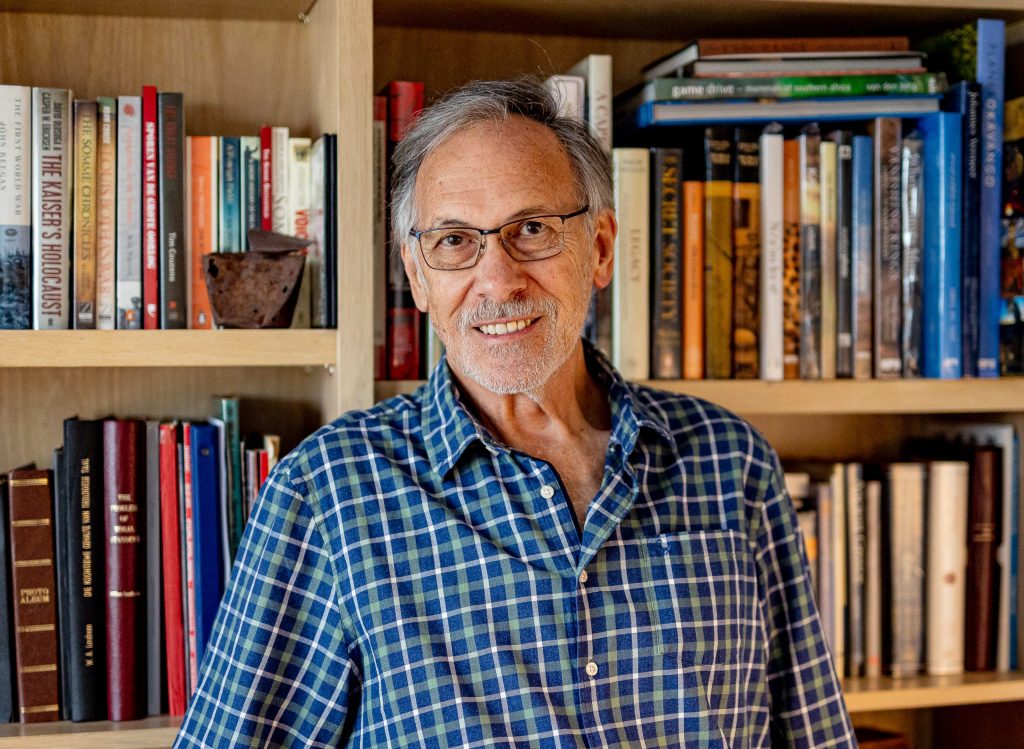
“Our Constitution looks compassionately upon those who face terrible deaths while our current legal tradition fails to protect their dignity,” says Willem Landman, chairperson and co-founder of DignitySA. “We are asking the court to recognise that a person’s human dignity is severely diminished when they lose control over the manner of their dying.”
The organisation defines assisted dying as a medically assisted death that is either self-administered or doctor-administered, strictly governed by eligibility criteria and robust safeguards. Under the proposed framework, only persons meeting strict criteria – including being mentally competent, suffering from an irremediable condition, and making a voluntary request – would be able to access medical assistance in dying.
The legal strategy involves three key requests to the High Court: to declare the blanket common-law prohibition of medically assisted dying unconstitutional and invalid; to direct Parliament to remedy this constitutional defect by enacting appropriate legislation within 24 months; and to suspend the declaration of invalidity for 24 months to allow Parliament to implement an appropriate assisted-dying regime.
The application includes 11 case studies of deceased individuals and one living applicant, Dieter Harck, who suffers from motor-neurone disease. The case studies include Craig Schonegevel, who died by suicide, Carol de Swardt, who was assisted with dying in Switzerland, and Dr Mario Oriani-Ambrosini, the former member of parliament who died by suicide. These stories illustrate the consequences of the current legal prohibition.
Four respondents are named in the case: the Minister of Justice and Constitutional Development, the National Director of Public Prosecutions, the Minister of Health, and the Health Professions Council of South Africa.
DignitySA spokesperson Vuya Ilengou emphasised that assisted dying is a necessary component of the palliative care continuum. “While we champion the expansion of high-quality palliative care, it cannot always mitigate the all-consuming suffering some patients endure,” Ilengou said.
The challenge is supported by expert reports from two South African medical professionals who attest that the local medical profession and healthcare infrastructure are capable of implementing and managing assisted dying safely. This is further supported by evidence from 16 international experts across six countries where such systems already function.
DignitySA is pursuing the litigation in the public interest and has called on supporters to sign a petition at amandla.mobi.
About DignitySA
DignitySA is a non-profit organisation founded 15 years ago following a meeting between Sean Davison and Willem Landman. The organisation focuses on end-of-life care advocacy and legal clarification, including good healthcare practice and legal rights in palliative care, refusal of treatment, advance directives, and assisted dying.
The organisation chose to pursue court action rather than waiting for parliamentary intervention because, whilst Parliament has been aware of the issue since at least 1998, no legislative progress has been initiated. DignitySA argues that a court order is necessary to compel the state to remedy constitutional defects.
For more information, visit www.dignitysouthafrica.org.
ALSO READ: Canadians embrace choice in final days as assisted dying numbers rise




You must be logged in to post a comment.