
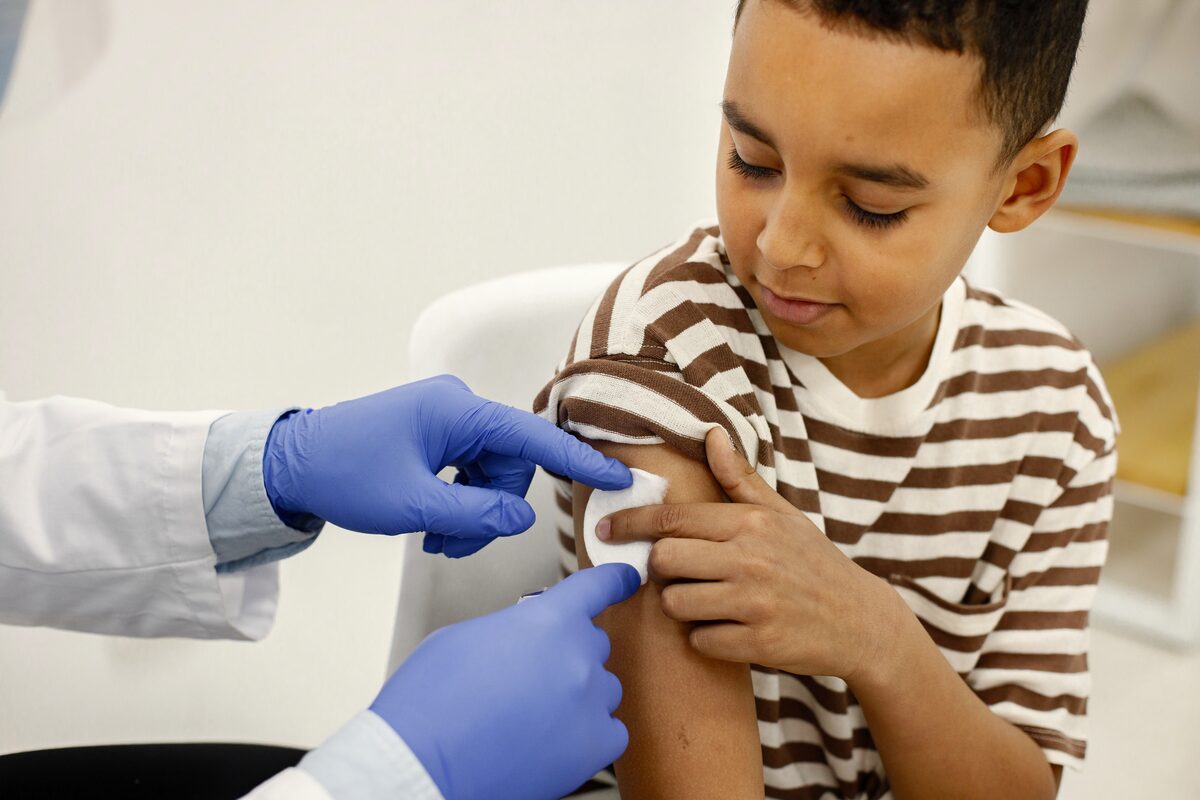
The Western Cape Department of Health and Wellness is warning parents as measles cases explode, with 52 new infections found in just one week.
In a press release, the department confirmed the outbreak has spread across urban areas including Khayelitsha, Mfuleni, Eerste River, Somerset West, Mitchells Plain, Kraaifontein and Wesbank, with the National Institute for Communicable Diseases (NICD) confirming 52 new provincial cases.

Signs and symptoms
Measles spreads very easily from person to person and affects the lungs. Signs include high fever, rash, runny nose, red eyes and coughing.
Serious problems can include lung infection, diarrhoea, brain infection and blindness. These problems are worse for babies under two years old and children who do not eat enough healthy food. Doctors can diagnose measles by looking at the signs and taking blood tests.
National crisis
This outbreak is not just in the Western Cape. The NICD confirmed in a separate press release that as of Friday 7 November, there were 1 795 confirmed measles cases across the country. This is an increase of 114 cases in just two weeks.
In the latest reporting period, Gauteng had 17 new cases, the Free State seven, Limpopo eight, North West six, Northern Cape four, and Mpumalanga 16 new cases.
According to the department, the increase in measles cases is happening because fewer children are getting vaccinated across South Africa. This drop in vaccination rates has created gaps in protection, leading to outbreaks of measles, rubella and diphtheria across the country.
The country is also dealing with a rubella outbreak, with 1 698 confirmed cases nationwide. The North West has been hit hardest with 977 cases. Rubella spreads easily through coughs and sneezes and can be dangerous for unborn babies if a pregnant woman gets infected, causing serious birth defects.
Seasonal pattern
Measles is common in South Africa and usually increases in autumn and spring. Outbreaks mostly happen in areas where many children have not been vaccinated or only got one shot instead of two.
Government response
A vaccination campaign is currently running across the country from Monday 3 to Friday 28 November. The provincial department has been working harder since October last year to protect young children from serious diseases that vaccines can stop, partnering with the National Department of Health to ensure enough vaccine supplies.
How to respond
The department asks parents to watch for measles signs and keep sick children at home to stop the disease from spreading. If your child has a fever, feels very sleepy or will not eat, take them to the nearest clinic immediately.
Free vaccines for children are available at all government health centres. Children can get missed shots if they need them. Vaccines are also available at private clinics and clinics that work with the government.
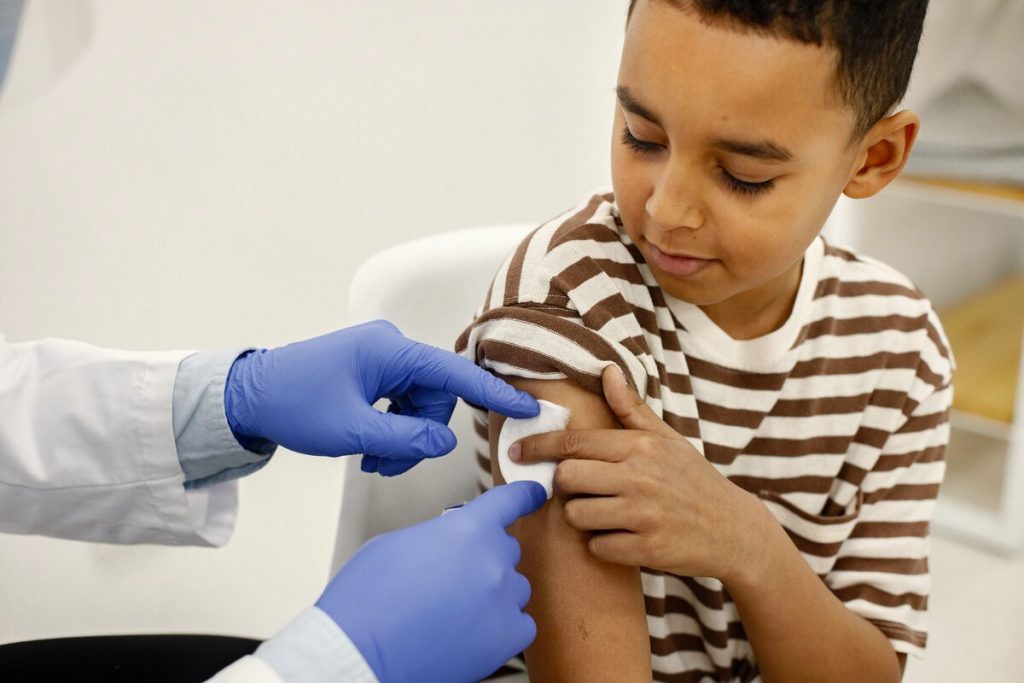
The department warns parents not to assume their children are safe from measles. Protect your children by taking them for their regular shots and signing permission forms when vaccination teams visit schools.




You must be logged in to post a comment.