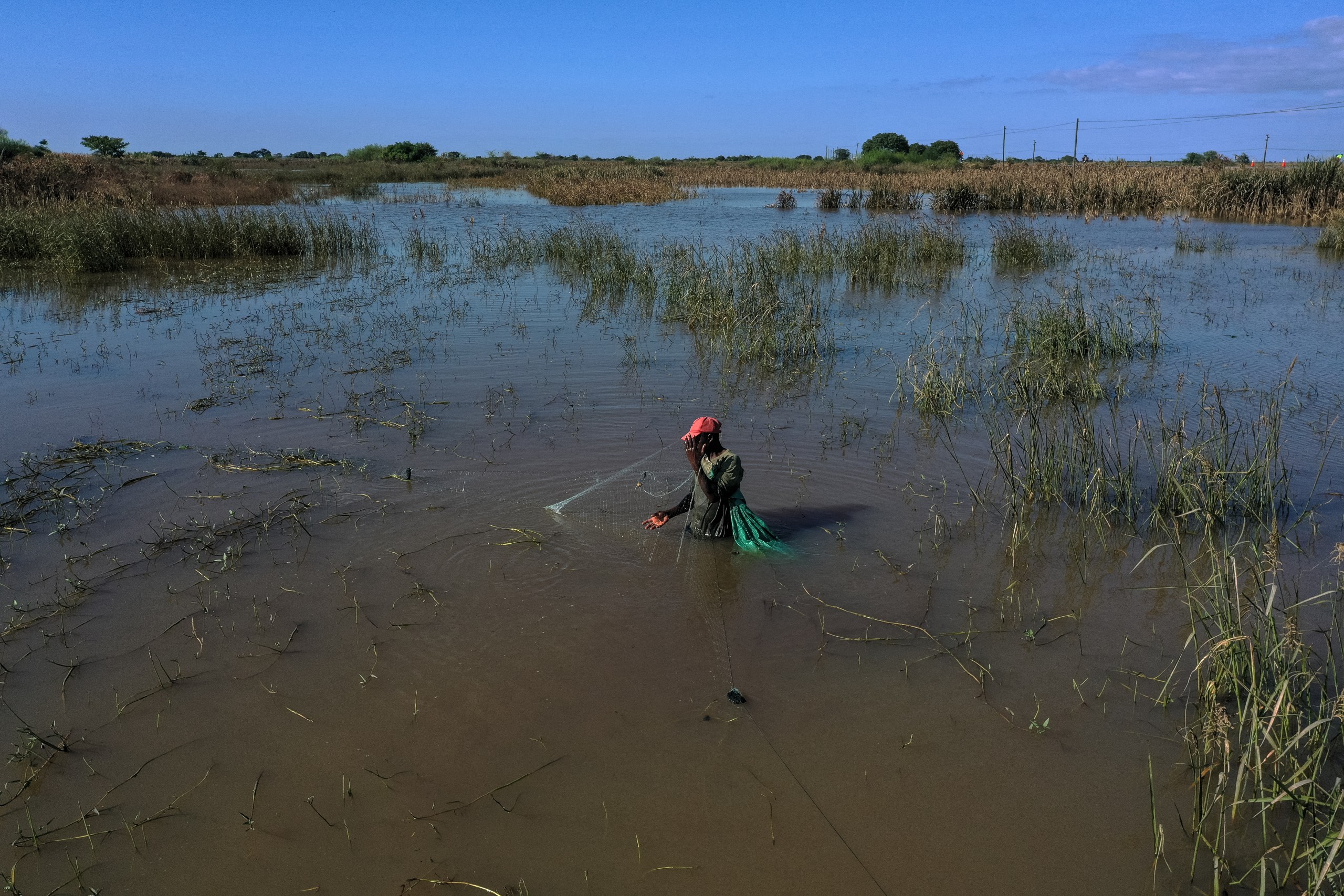
Rescue teams across southern Africa are racing against time to save lives as catastrophic flooding continues to ravage the region, claiming at least 151 lives and displacing hundreds of thousands of people across Mozambique and South Africa.
In Mozambique, the death toll has reached 114 people since the rainy season began in October, with 51 fatalities occurring since Christmas Eve when torrential downpours intensified. Emergency crews are desperately clawing through thick mud and wading into waterlogged homes as they search for six people who remain missing.
The United Nations has declared the surging waters “a rapidly escalating emergency,” with more than half a million people affected in the country of 35 million inhabitants.
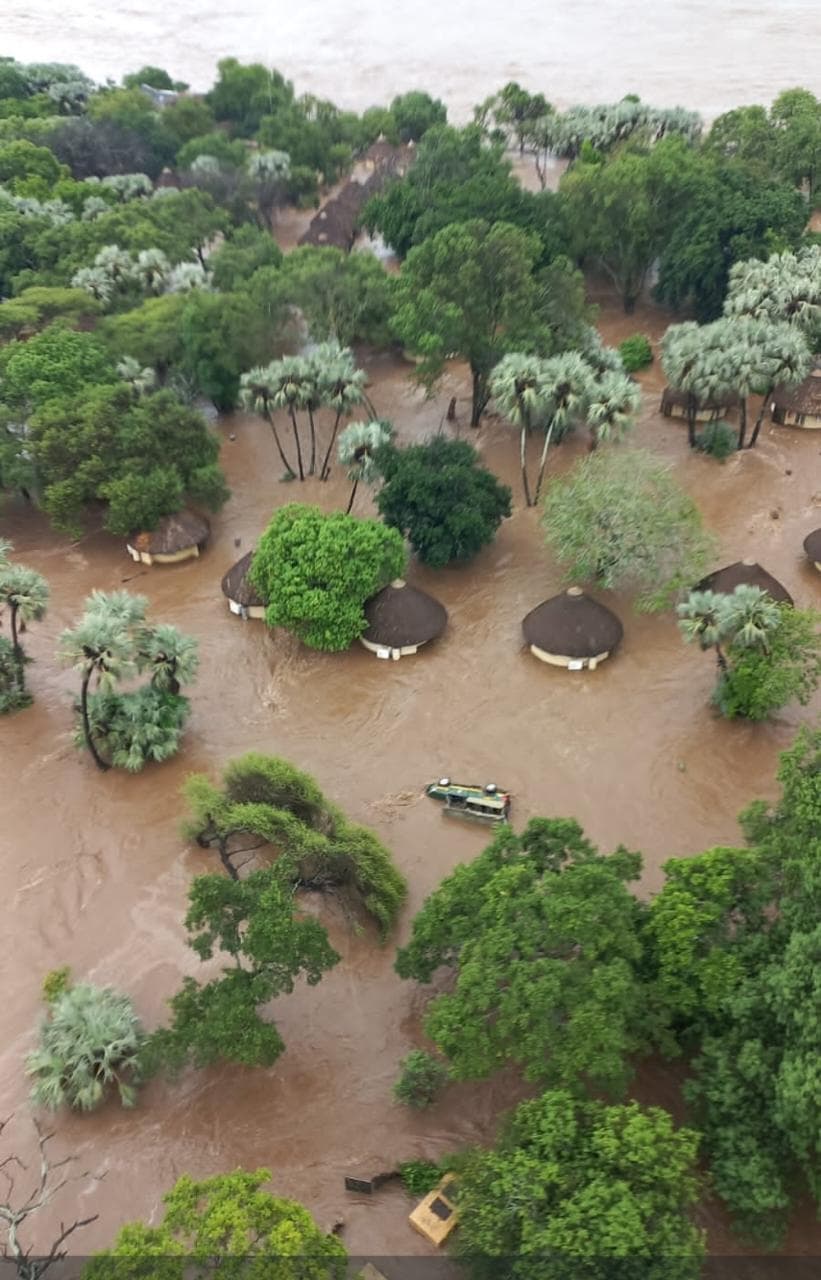
Dramatic helicopter footage released by the National Disasters Management Institute shows rescuers lifting residents from rooftops still visible above the floodwaters in Gaza province, while vast stretches of land have disappeared beneath murky waters.
“We do not have conclusive data, but we estimate that more than 36,000 people are affected in the province and about 13,000 are in accommodation centres,” said Maputo governor Manuel Tule. “We still do not know exactly how many people need assistance.”
South Africa declares national disaster
Across the border in South Africa, the crisis has claimed 37 lives in Limpopo and Mpumalanga provinces, prompting the government to declare a national disaster earlier this week. The flooding has damaged over 1,300 houses in Mpumalanga alone and forced the unprecedented closure of the world-renowned Kruger National Park.
The 19,485-square-kilometre game reserve, one of Africa’s premier wildlife destinations, suspended all day visits and closed several of its nine entrances. Emergency helicopters have evacuated guests and staff from flooded camps as overflowing rivers saturate the park grounds.
Infrastructure collapse hampers relief efforts
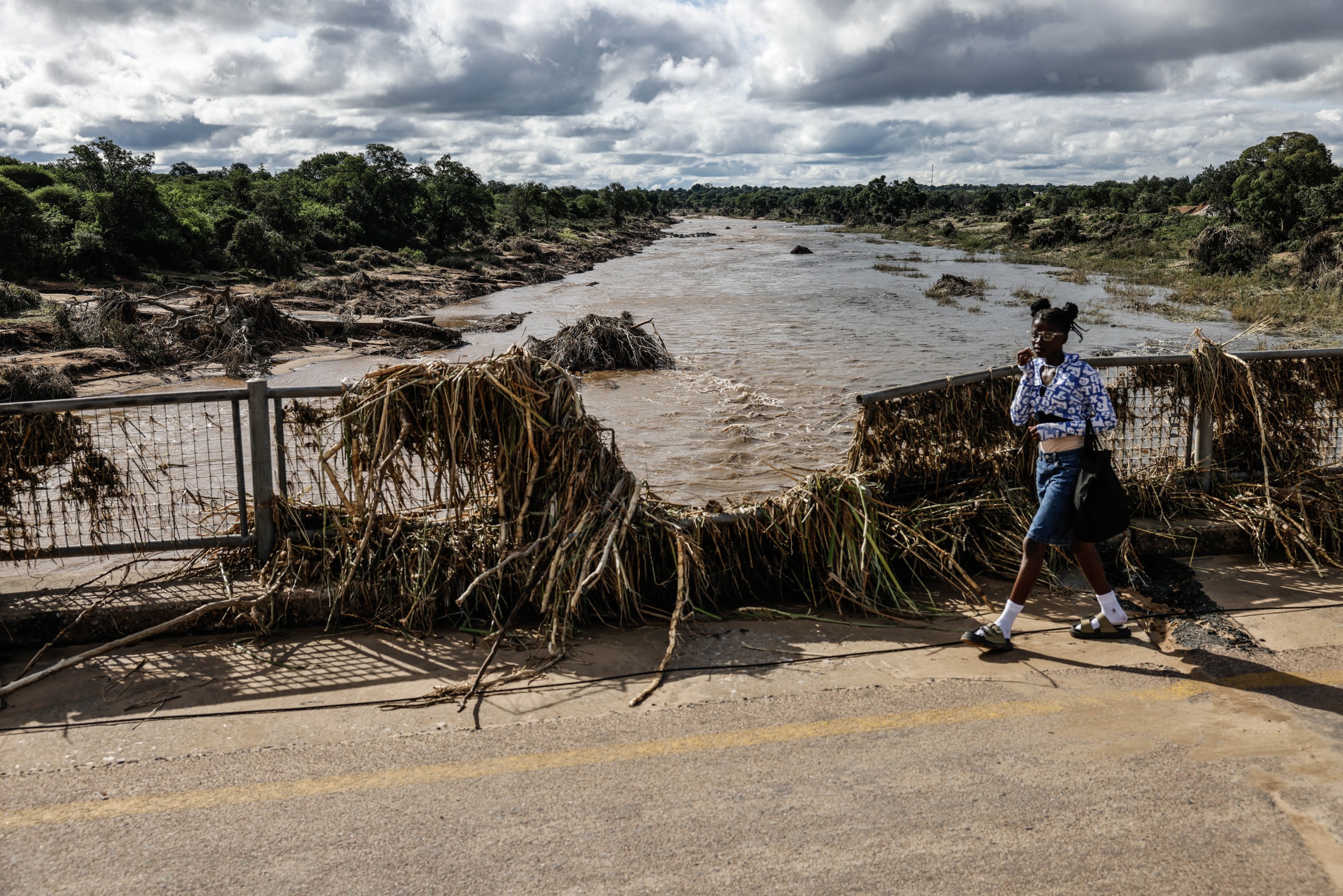
The scale of destruction is overwhelming relief agencies. In Mozambique, nearly 5,000 kilometres of roads have been damaged across nine provinces, including the main artery connecting the capital Maputo to the rest of the country.
“The numbers keep rising as extensive flooding continues and dams keep releasing water to avoid bursting,” said Paola Emerson, head of Mozambique operations at the UN humanitarian agency OCHA. “The damage to roads and infrastructure is making it extremely difficult for aid agencies to reach those most affected.”
Children face ‘deadly threat’
More than 50,000 people are sheltering in over 50 temporary accommodation centres across Mozambique, with authorities warning of severe shortages of treated water and fuel for rescue boats.
UNICEF has issued stark warnings about the crisis’s impact on children. “The flooding is not just destroying homes, schools, health centres and roads,” said UNICEF spokesman Guy Taylor. “It’s turning unsafe water, disease outbreaks and malnutrition into a deadly threat for children.”
The agency warned that Mozambique’s upcoming annual cyclone season “creates the risk of a double crisis,” with disrupted food supplies and health services threatening to push vulnerable children “into a dangerous spiral.”
ALSO READ: South Africa declares national disaster as devastating floods ravage region
Funding crisis compounds emergency
Both countries are struggling with severe funding shortfalls. Mozambique faces a humanitarian funding gap of more than $100 million, according to government spokesman Inocencio Impissa.
The crisis is already being compared to Mozambique’s devastating 2000 floods caused by Cyclone Eline, which killed around 800 people and displaced hundreds of thousands. A countrywide red-alert warning – the highest level – remains in effect as meteorologists forecast more heavy rainfall.
Regional response mobilises
Emergency response teams from across the region are coordinating rescue efforts as the crisis continues to unfold. Wildlife experts in Kruger report that animals are moving to higher ground as flood waters continue rising.
“What happens in the coming days will determine not only how many survive this emergency but how many can recover, return to school and rebuild their futures,” warned UNICEF’s Taylor.
As rescue operations intensify, authorities in both nations are bracing for potentially worse flooding in the days ahead, with weather forecasters predicting continued heavy rainfall across the region.