
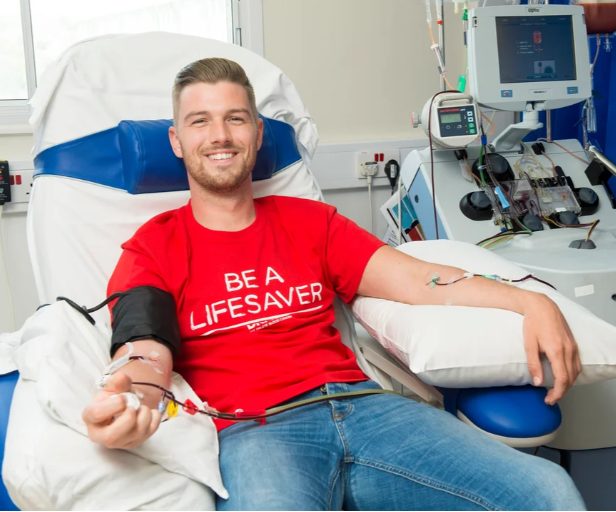
A global crisis in stem cell donation has emerged, with half of all registered donors worldwide removed from databases in 2023 simply because they could not be traced or contacted, according to a new trend report by the World Marrow Donor Association (WMDA).
The alarming statistics reveal that despite access to nearly 43 million stem cell donors globally, the inability to reach willing donors when matches are found has become a critical barrier to life-saving transplants. South Africa contributed 11% to the total number of untraceable donors, prompting urgent calls from the South African Bone Marrow Registry (SABMR) for greater donor commitment.
“We can only get patients to the transplant stage if we find a suitably matched donor, and if they aren’t available, chances are that another suitably matched donor may not be found,” said Jane Ward, Deputy Director of the SABMR. “A stem cell transplant is often the last and only resort for patients with life-threatening blood disorders.”
The statistics paint a sobering picture for patients desperately seeking transplants. Only 30% of patients requiring stem cell transplants can find a suitable match within their immediate family, leaving 70% dependent on the generosity of strangers. With odds of finding a compatible donor standing at just 1 in 100,000, every registered donor represents a critical lifeline.
For patients from certain ethnic or mixed backgrounds, the odds become even more challenging due to genetic diversity, making the loss of traceable donors particularly devastating.
“Lives quite literally hang in the balance,” Ward emphasized, noting that while she understands people’s busy lives may lead them to forget updating contact details, “once someone signs up as a stem cell donor, a certain degree of commitment is required.”
Beyond tracing issues, the SABMR removes donors from its database for several reasons including medical conditions that develop after registration, immigration, age restrictions (donors are retired at 61), and personal withdrawal from the program.
ALSO READ: Life-threatening diagnosis shines spotlight on need for diverse stem cell donors
Ward noted a concerning trend of donors withdrawing due to lack of commitment or family discouragement stemming from misunderstanding about the donation process. “Most donors are delighted to hear that they have been chosen to donate and potentially save a life,” she said, appealing to potential donors to “consider the life-long impact they could make.”
In response to the crisis, the SABMR is launching a comprehensive campaign to strengthen donor retention, including:
- Regular educational engagement with donors about the importance of stem cell donation
- Annual anniversary surveys with registered donors to confirm ongoing commitment
- Post-registration recommitment questionnaires for newly recruited donors
The registry, now over 30 years old, is particularly focused on recruiting younger donors who provide better patient outcomes.
As the Human Leukocyte Antigen (HLA) tissue typing process remains extremely complex, finding correct matches depends on maintaining large, diverse donor registries. Each committed donor increases the likelihood of successful matches and improved patient survival rates.
ALSO READ: First successful stem cell donor match found on unique inter-continental sign-up drive
“We’ve seen the impact first-hand of what a successful transplant means for patients and their families who otherwise would not have had the gift of a second chance at life,” Ward concluded. “We urge donors to notify us if their contact details have changed, as outdated information severely impacts a patient’s chances of finding a match and ultimately their chance of survival.”
The global donor tracing crisis underscores a fundamental challenge in modern medicine: while scientific advances have made stem cell transplants increasingly successful, the human element – maintaining contact with willing donors – remains the weakest link in saving lives.
For more information about becoming a stem cell donor or updating donor information, contact the South African Bone Marrow Registry.


