GQEBERHA – The Nelson Mandela Bay Municipality has approved a R679.5 million adjustment budget aimed at strengthening water security and electricity infrastructure across the metro.
The budget, approved during a full council meeting on 5 March, includes R482.4 million allocated to water-related infrastructure upgrades, an increase of R25.9 million from the original allocation of R456.5 million.
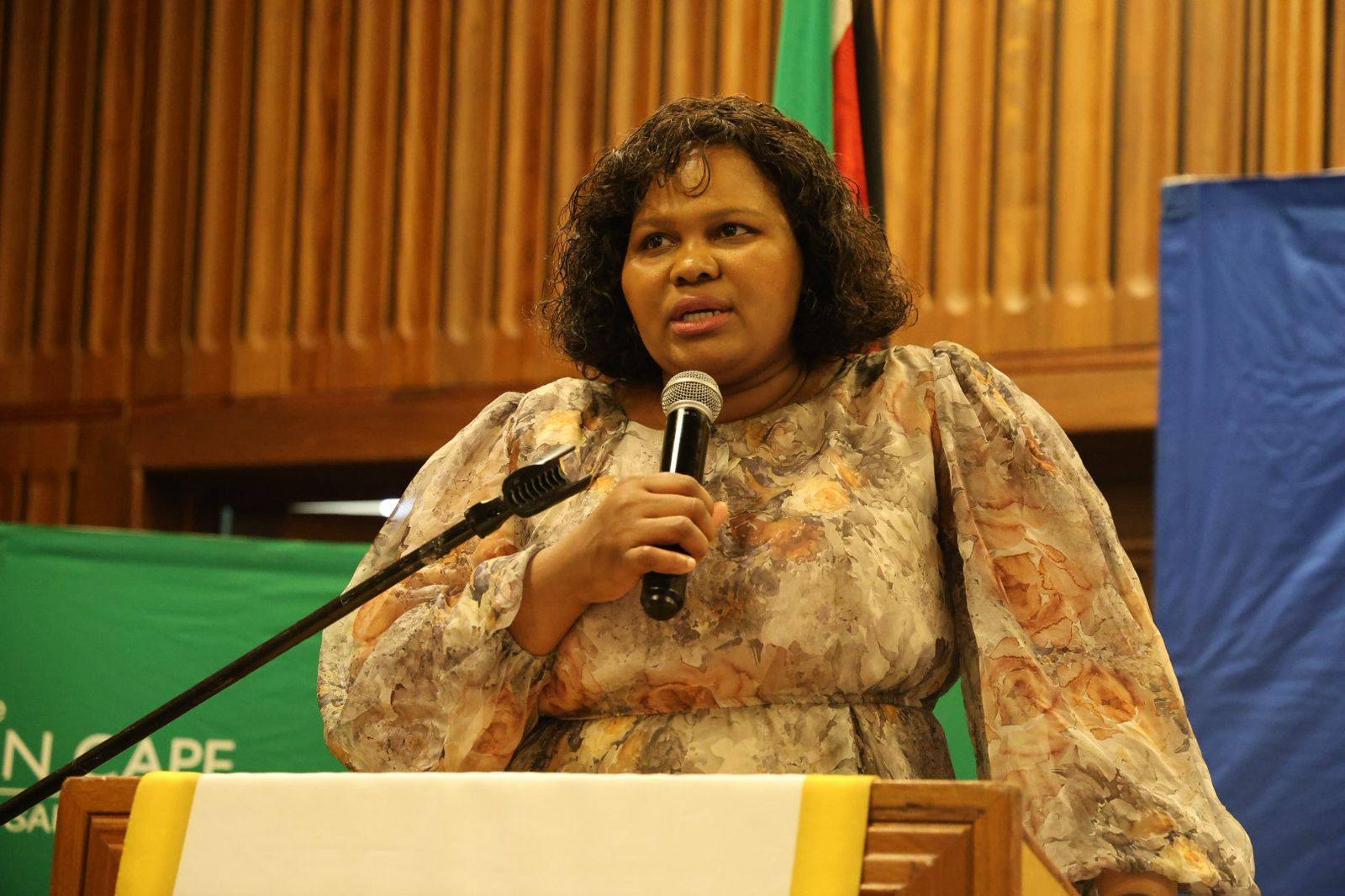
Presenting the adjustments budget, Executive Mayor Babalwa Lobishe said the continued investment demonstrates the metro’s commitment to ensuring long-term water security.
“This is a continuation of the work that we have been doing. We will now see acceleration in response to the President’s call for metros to prioritise water provision as one of the key economic drivers,” Lobishe said.
Water infrastructure projects
The water allocation will fund several key projects, including borehole exploration and development (R165.2 million) and the construction of the Motherwell to Bethelsdorp pipeline (R173.9 million).
Additional funding includes R37 million for the purchase and installation of water meters, R40.6 million for pump station rehabilitation, R40.1 million for the renewal of water distribution pipelines, R13 million for the renewal of bulk water pipelines, and R12.4 million for a new fleet for water services.
According to the municipality, investment in water infrastructure has increased since the seven-year drought that severely affected the metro and ended two years ago.
Electricity infrastructure upgrades
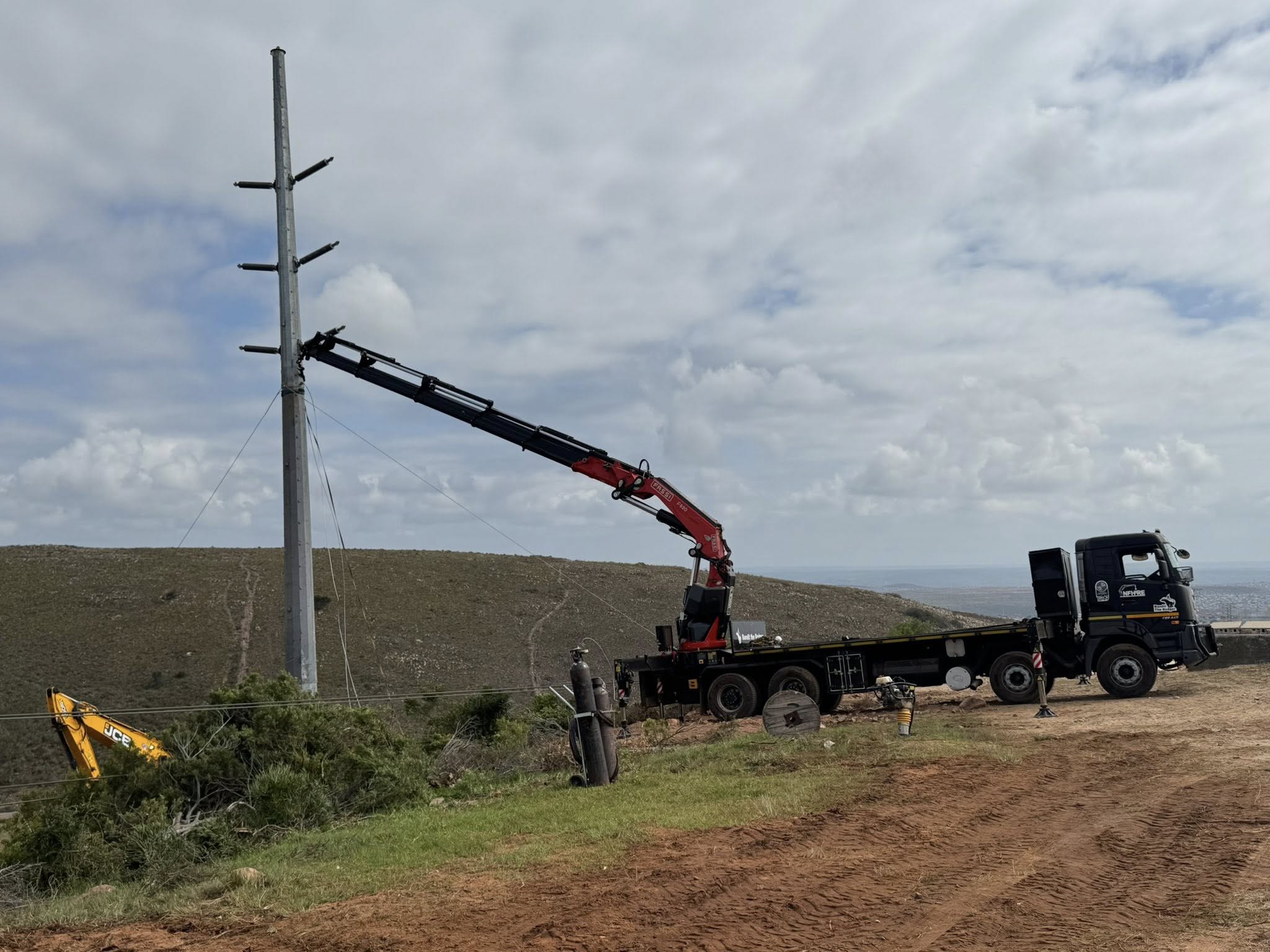
The adjustment budget also allocates funding to address electricity infrastructure challenges linked to vandalism, illegal connections and ageing equipment.
Major allocations include R55.7 million for the bulk supply and establishment of a new substation in Booysens Park and Joe Slovo, R22.5 million for Coega reinforcement, and R49.2 million for the electrification of informal areas.
Additional funds have been set aside for power transformer refurbishment, public lighting upgrades, and the refurbishment of overhead and medium-voltage lines.
Lobishe said strengthening electricity infrastructure is essential if the metro hopes to attract investment.
“For us to be a major economic player within the country and the Southern African region, we must ensure a stable electricity distribution network that supports both local economic growth and foreign direct investment,” she said.
Allocations criticised
However, Ward 7 councillor Brendon Pegram, the DA Nelson Mandela Bay spokesperson for Budget and Treasury, criticised the adjustment budget, describing it as “another disaster in the making.”
In a statement, Pegram said the allocations appeared uneven and raised concerns about fairness in service delivery.
“This budget is, without exaggeration, one of the most politically skewed and irresponsible documents placed before council in recent years,” he said.
Pegram alleged that some wards had received allocations of between R80 million and R150 million, while others had experienced budget cuts leaving allocations as low as R550,000 to R660,000.
“There is no defensible service delivery logic that justifies this imbalance,” he said.
Infrastructure concerns raised
Pegram also criticised the R24.5 million allocated for resurfacing existing roads, saying it would allow the metro to resurface only about 5km of roads in a city with roughly 2,000km of tarred roads.
Street lighting was another concern raised. According to Pegram, the metro has about 40,000 streetlights, with approximately 21,200 currently not operational, representing about 53% of the network.
“Dark streets compromise safety, increase crime risk and diminish community wellbeing,” he said.
Pegram also warned that the removal of R13.5 million from the refurbishment budget for bulk water pipelines could increase the risk of infrastructure failures.
Despite the criticism, the adjustments budget was approved by the majority of councillors.
Chief Financial Officer Jackson Ngcelwane told council the revised budget prioritised projects that could be implemented immediately.
“We need to improve our spending patterns. Funds must go where they can be utilised immediately to create tangible impact,” Ngcelwane said.
ALSO READ: Water crisis deepens as burst pipes compound critical supply