

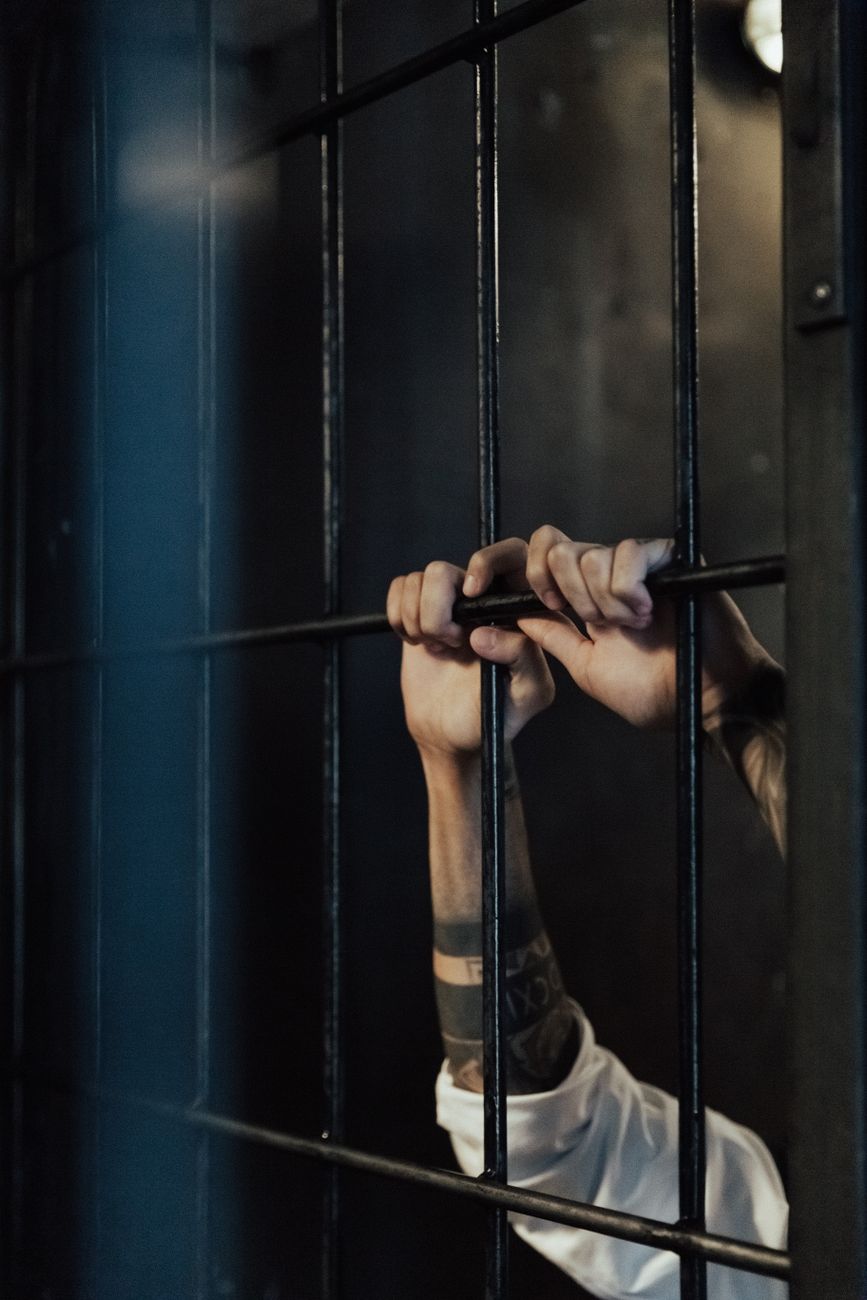
The Portfolio Committee on Correctional Services has issued a stern warning to the Department of Correctional Services (DCS) over a projected R749 million over-expenditure, driven primarily by soaring food costs linked to severe overcrowding in facilities.
Committee chairperson Kgomotso Anthea Ramolobeng said the department must provide a comprehensive financial recovery plan to address the ballooning expenditure. The committee received the DCS performance report for the first quarter of the 2026/27 financial year during a meeting today.
“The more inmates are admitted into correctional facilities, the more the department will need to spend on food. We therefore want a proper financial recovery plan outlining how the department intends to mitigate this over-expenditure,” Ramolobeng said.
Performance targets overshadowed by operational failures
While the department achieved an overall performance target rate of 83%, the committee raised alarm over severe structural challenges, escalating overcrowding, operational budget overruns and a sharp rise in unnatural inmate deaths.
The committee noted with concern a Judicial Inspectorate for Correctional Services (JICS) report presented last week, which recorded 44 unnatural inmate deaths in the first quarter of 2026/27 – an 83% increase from the 24 recorded during the same period last year.
“We urge the department and JICS to work together to eliminate inconsistencies in the reporting of deaths. Furthermore, we are concerned about delays in informing families about the cause of death of inmates who die while incarcerated. Families have a right to know, and they have a right to be informed of the cause of death as speedily as possible,” Ramolobeng said.
Budget overruns across key programmes
The department recorded quarterly budget overruns across several key programmes, including Incarceration (9%), Rehabilitation (9%), Care (18%) and Social Reintegration (12%). Critical modernisation targets were also missed, including the drafting of the Correctional Services Amendment Bill and the deployment of smart technologies.
The committee stressed that the Correctional Services Amendment Bill would be crucial in addressing overcrowding, as it would provide for the interstate transfer of sentenced offenders to serve their sentences in their countries of origin.
Persistent overcrowding remains a problem, particularly in the Eastern Cape, Gauteng and Western Cape, where inmate admissions continue to outpace releases.
Staffing shortages hamper parole decisions
The committee noted that Correctional Supervision and Parole Board decision-making targets were missed in nearly all regions due to widespread vacancies and a lack of quorums.
“We note the inconsistencies in vacancy rates between the two reporting systems. While an 83% overall target achievement rate appears positive on paper, the severe operational gaps underneath cannot be ignored. Safe incarceration, human dignity and effective rehabilitation are constitutional imperatives, not optional goals,” Ramolobeng said.
She added that critical rehabilitation and mental health services are constrained by severe staffing shortages.
“The committee cannot overlook the fact that critical rehabilitation and mental health services are constrained by severe staffing shortages. Rigorous accountability will be demanded from the executive regarding parole board vacancies, budget overruns, facility security and concrete interventions to prevent further loss of life in correctional centres,” Ramolobeng said.
ALSO READ: Behind bars but online: Inmates linked to WhatsApp extortion scheme

