
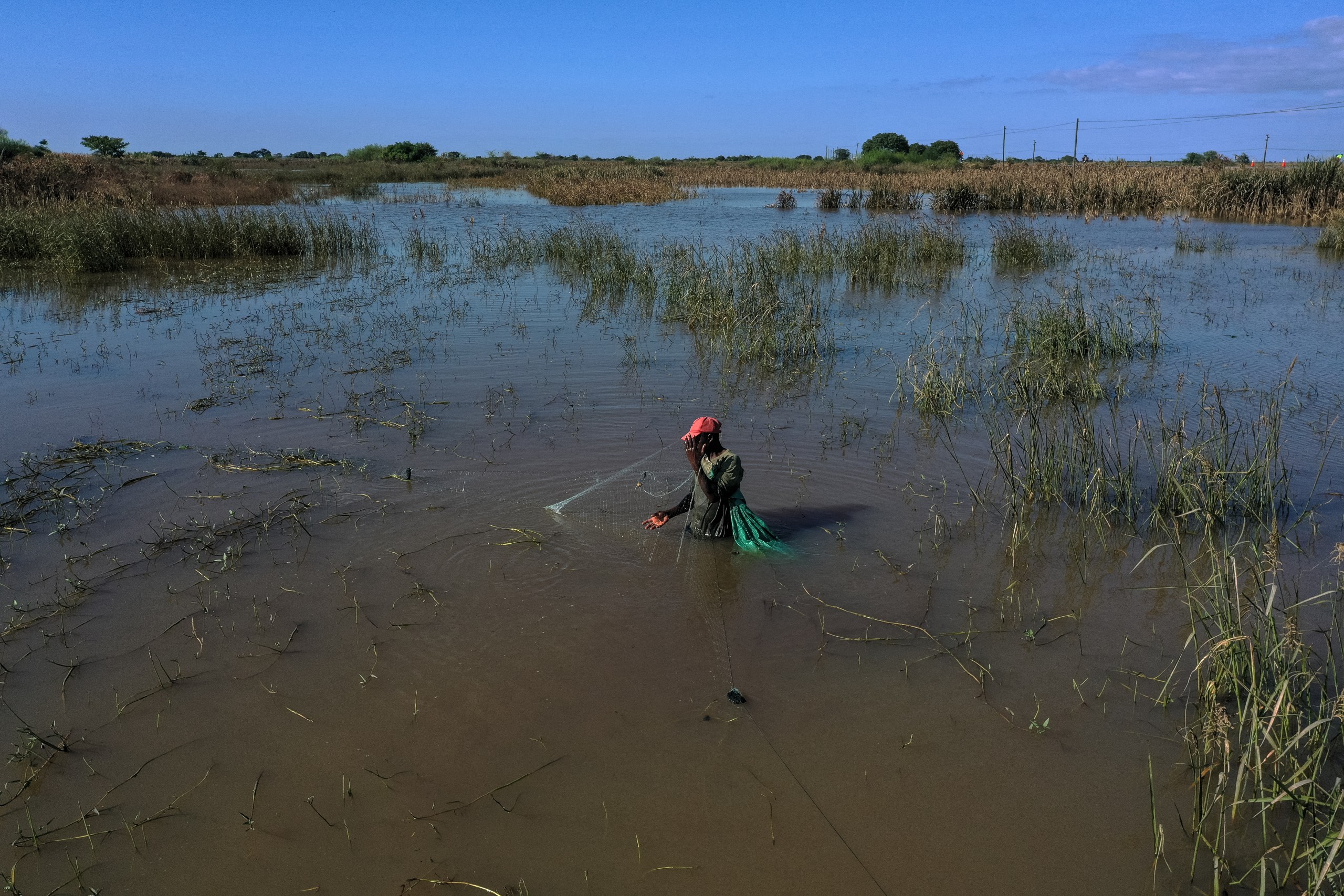
JOHANNESBURG – Areas of southern Africa received a year’s worth of rainfall in just 10 days in January as climate change made devastating floods “significantly more intense”, scientists said on Thursday.
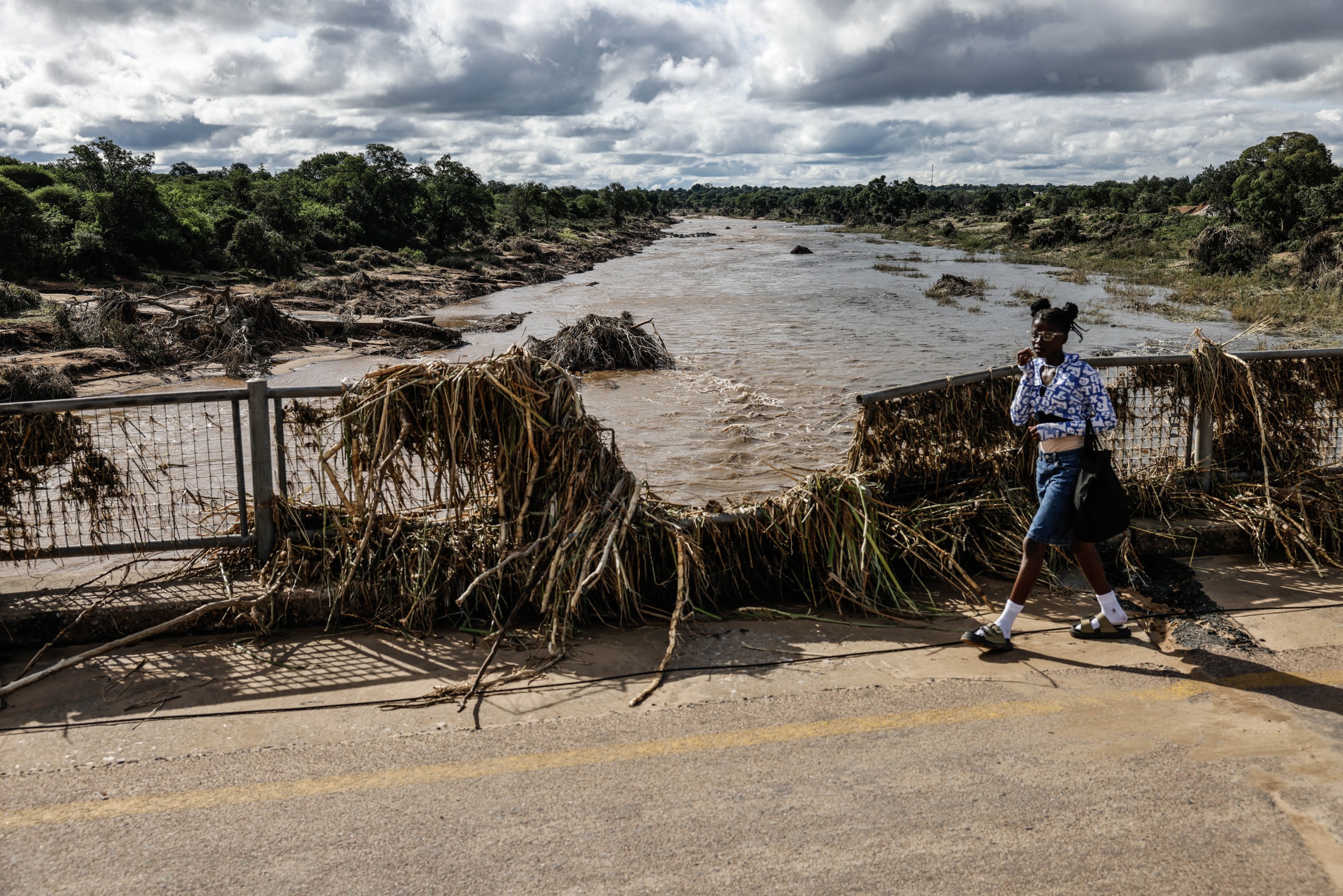
Torrential downpours since December have left large swathes of Mozambique underwater, affecting more than half a million people and claiming dozens of lives, with damage and losses also reported in neighbouring South Africa and Zimbabwe.
ALSO READ: Deadly floods devastate Mozambique as death toll climbs
Year’s worth of rain in 10 days
“Extreme 10-day rainfall events in the region have become significantly more intense due to human-induced climate change,” researchers for the World Weather Attribution (WWA) network of scientists said in a report.
The international group assesses the role of climate change in extreme weather events.
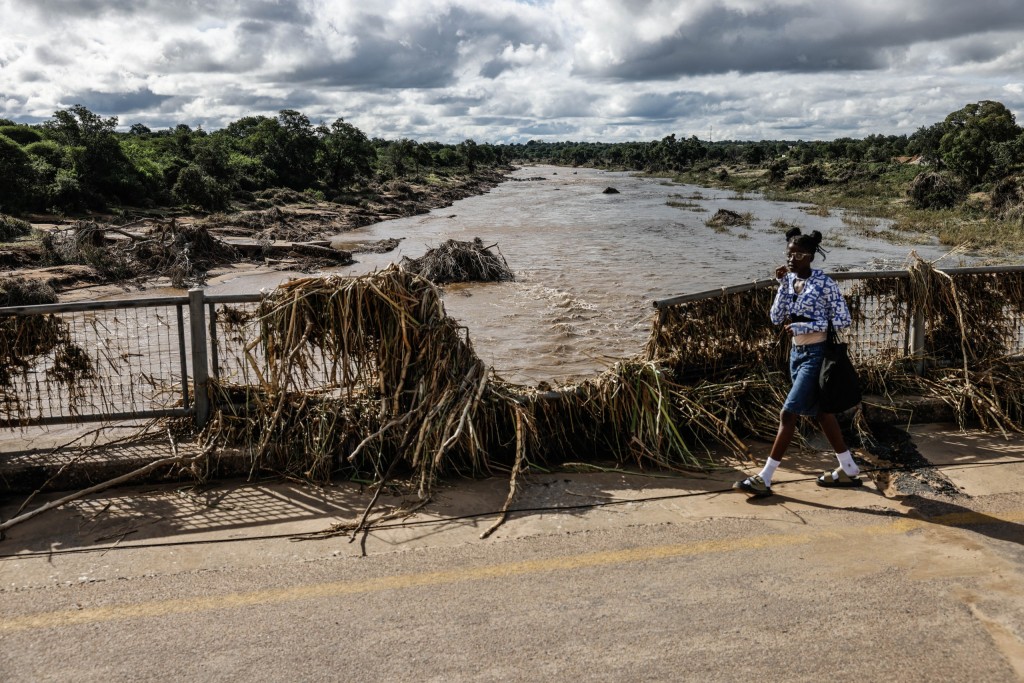
Between 10 and 19 January, areas of southern Mozambique — including the severely affected Gaza province — received upwards of 500 millimetres of rain, the report said.
This was equivalent to more than the usual rainfall for an entire year.
Climate change increased intensity by 40%
“Human-induced climate change has increased the intensity of such extreme rainfall by about 40 per cent,” said climatologist Izidine Pinto from the Royal Netherlands Meteorological Institute.
“The combination of very intense rain over a short period, together with high vulnerability and exposure, led to the worst flooding in Mozambique in 25 years,” Pinto said in a press briefing ahead of the report’s launch.
The cooling weather phenomenon known as La Niña — which tends to “produce above-normal rainfall conditions over southern Africa” — was in turn responsible for about 22 per cent of the rainfall’s intensity.
Nearly 140 people have died in Mozambique’s floods since 1 October, according to its National Disasters Management Institute, and some areas remain inaccessible by road after rivers burst their banks.
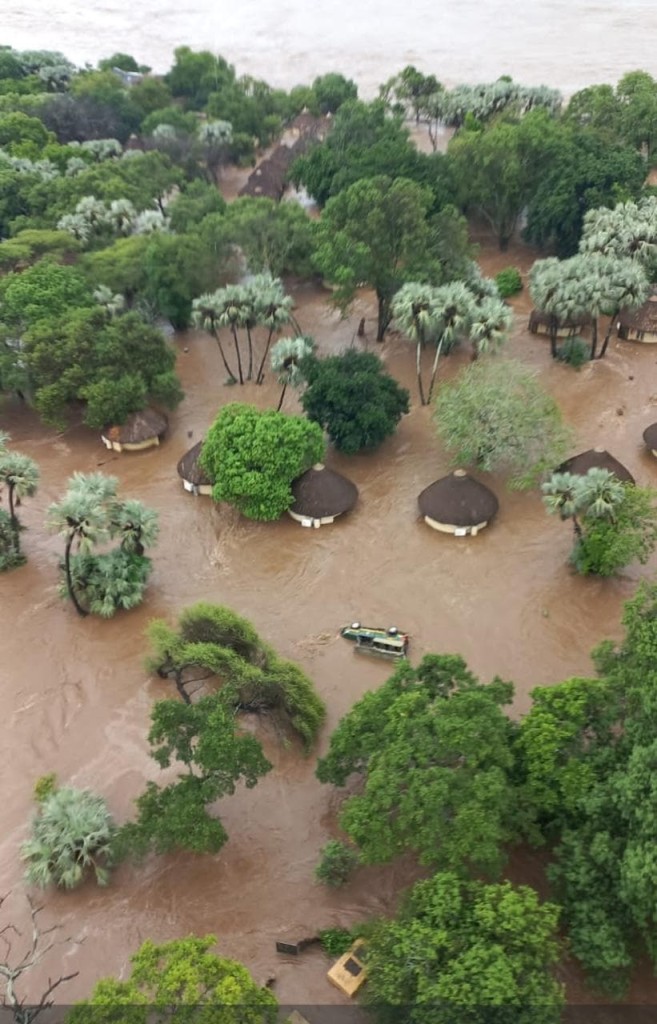
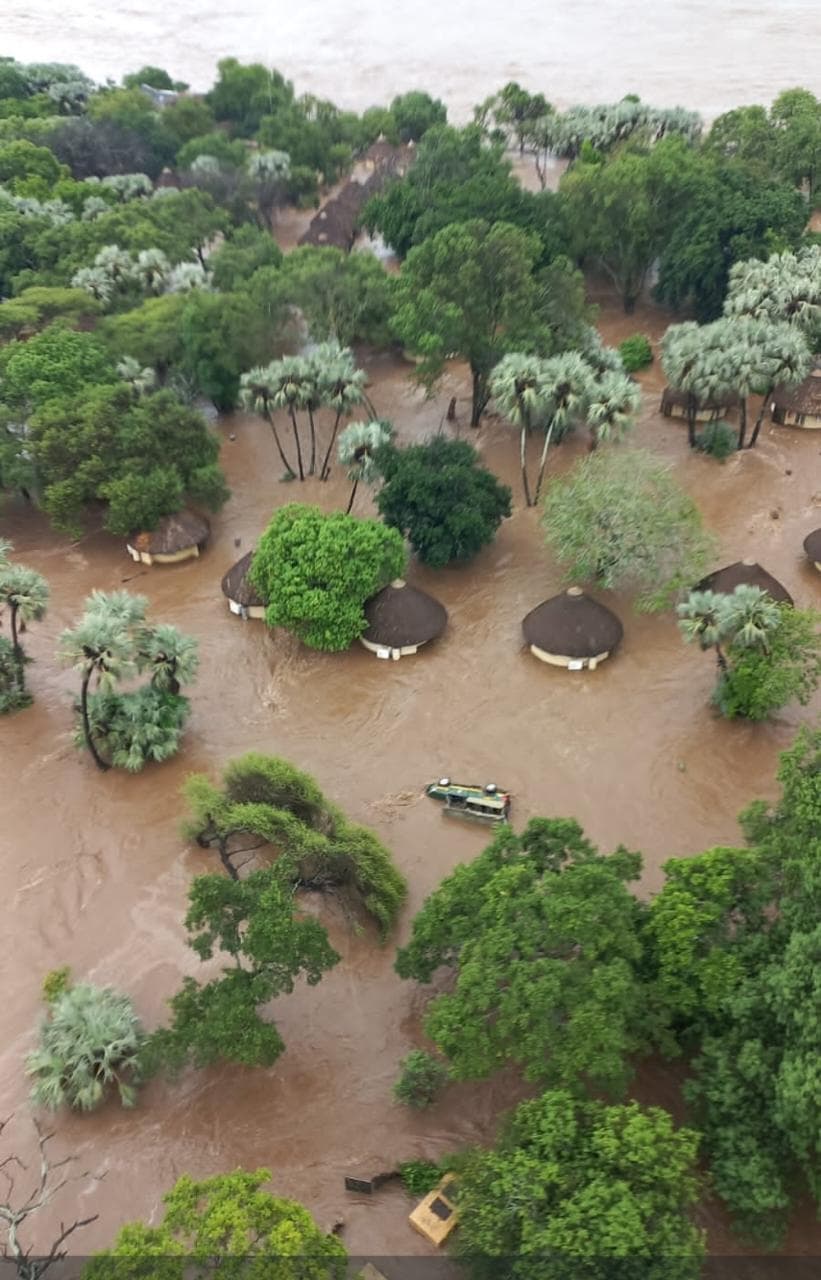
Floodwaters also claimed more than 30 lives in South Africa’s Limpopo and Mpumalanga provinces, causing millions of dollars in damages including in the famed Kruger National Park.
ALSO READ: South Africa declares national disaster as devastating floods ravage region
‘Textbook case of climate injustice’
The natural disaster was “a textbook case of climate injustice”, said climate science professor Friederike Otto from London’s Imperial College.
“The people of South Africa, Mozambique, Zimbabwe, and Eswatini have not contributed to climate change, nor are they profiting from using or selling fossil fuels,” she said.
“Yet they are the ones losing their lives, homes and livelihoods.”
ALSO READ: Kruger National Park faces hundreds of millions in flood damage as recovery fund launched


You must be logged in to post a comment.