

The engines are about to roar across the African continent once more. Rwanda has secured the rights to host a Formula One Grand Prix, sources within the government and close to the sport’s governing body confirmed on Thursday, marking the first race on African soil in decades.
Whilst neither Rwanda nor the FIA have formally announced the decision, a government source told AFP: “Rwanda’s bid to host the Formula 1 race has been greenlit, an agreement has been reached.” A source close to the FIA indicated that an official announcement will be made in the Rwandan capital, Kigali, next week, with Qatar backing the ambitious project.
Kagame’s vision realised
President Paul Kagame formally announced Rwanda’s audacious bid when the nation hosted an FIA gathering in December 2024. His message was clear: Africa deserves a seat at motorsport’s top table.
“It all comes down to respect, and giving everyone the chance to contribute where they can,” Kagame said at the time. Nearly two years later, that respect has been earned, and the opportunity secured.
Also read: South Africa moves closer to hosting Formula One race
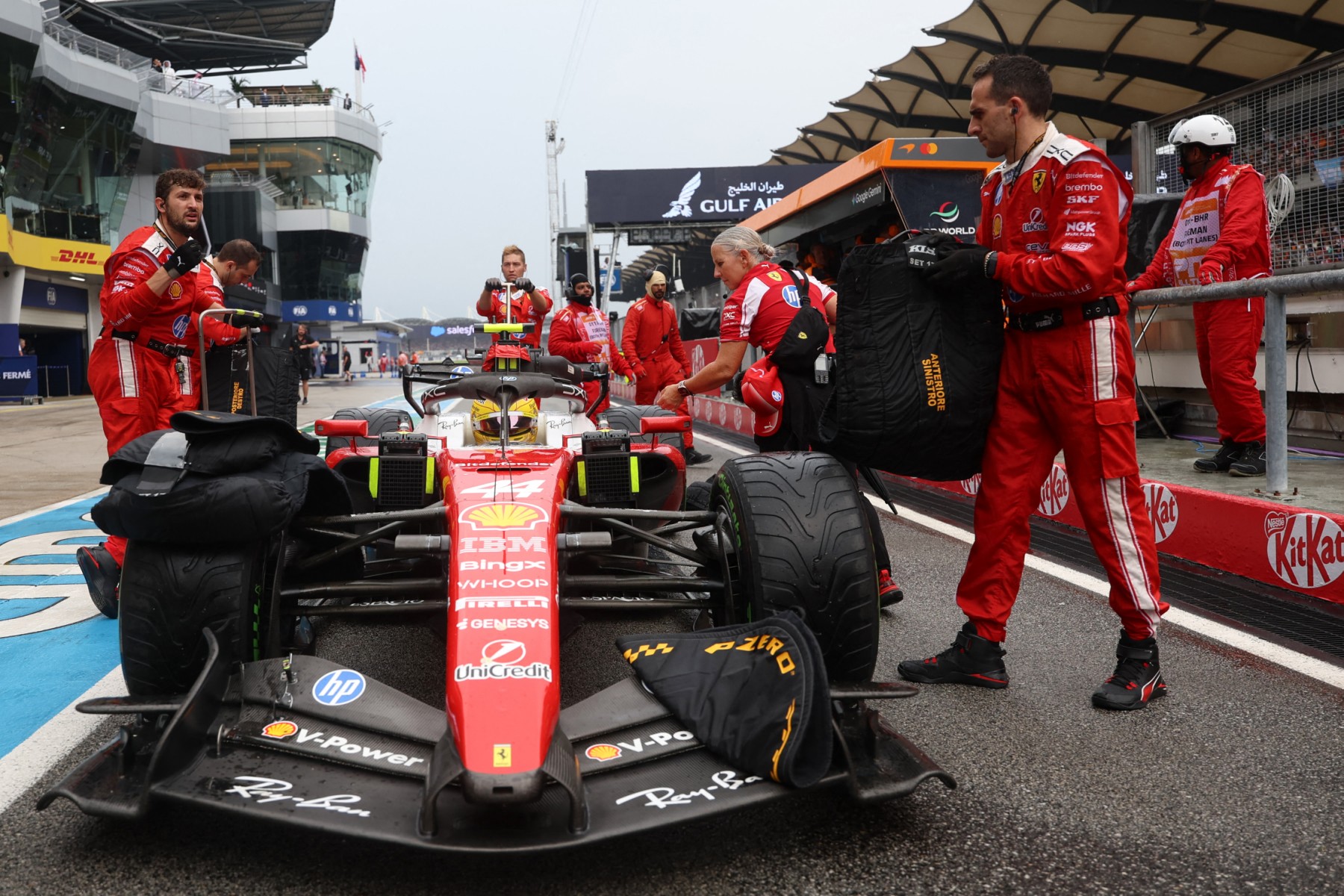
The announcement will particularly delight one of Formula One’s biggest superstars. Lewis Hamilton, the seven-time world champion, has long campaigned for an African stop on the F1 circuit. He publicly backed Rwanda’s plans in 2024, describing the country as “one of my favourite places” and championing the continent’s rightful place in the sport’s future.
For Hamilton, who has consistently used his platform to advocate for diversity and inclusion in motorsport, this represents vindication. Africa, the only inhabited continent without a current Grand Prix, is finally back on the calendar.
Sports as nation building
Rwanda’s F1 coup is the latest chapter in an extraordinary sports-led transformation strategy. A poor, landlocked nation in east Africa still widely associated with the horrific 1994 genocide, Rwanda has weaponised sport to revamp its image, attract tourists, and showcase its organisational prowess to potential investors.
The government has spent lavishly on football sponsorship deals with European giants Arsenal and Paris Saint-Germain. It partnered with the NBA to become the main hub of its African basketball league. Last year, it successfully hosted the UCI Road World Championships, delivering a flawless event that silenced doubters and impressed the global cycling fraternity.
Now comes the ultimate prize: a Formula One Grand Prix.
The sports washing debate
Critics have branded Rwanda’s approach “sports-washing”, using glitzy sporting events to distract from serious human rights concerns, including allegations of brutal crackdowns on opposition voices and dissent.
The accusation isn’t without merit. Human rights organisations have documented troubling patterns of repression in Rwanda, raising uncomfortable questions about whether global sporting bodies should reward such regimes with prestige events.
Yet others detect Western hypocrisy in the debate. No one described this year’s FIFA World Cup in the United States as “sports-washing”, critics point out, despite America’s well-documented rights abuses. The same logic was rarely applied to races in countries with questionable human rights records across the Middle East and Asia.
The uncomfortable truth? Formula One has never been particularly fussy about its hosts’ political credentials, provided the cheques clear and the infrastructure meets grade.
Economic realities bite
Within Rwanda itself, the mood is reportedly more cautious than celebratory. A government source told AFP there are worries the decision may not be entirely welcomed domestically, where a quarter of the population lives below the poverty line and has seen scant benefit from high-profile sports tie-ups.
“For the Arsenal deal, government officials went on a media tour talking about it, but this time the temperature in the country is different, so they are acting differently. The economy is struggling,” the source revealed.
It’s a valid concern. Grand Prix hosting fees run into tens of millions annually. Track construction, infrastructure upgrades, and operational costs multiply that figure several times over. For a nation where poverty remains widespread, the optics are delicate.
The government will bet that tourism revenue, global exposure, and foreign investment triggered by F1’s arrival will justify the expenditure. But convincing citizens struggling to make ends meet that hosting a billionaires’ playground represents money well spent won’t be straightforward.
South Africa still in the hunt
Rwanda’s success doesn’t necessarily slam the door on other African hopefuls. South Africa has also been actively bidding to host an F1 race, and its sports minister, Gayton McKenzie, moved quickly to emphasise that the Rainbow Nation shouldn’t be ruled out just because Rwanda has been selected.
“(Rwanda) have worked on it longer than (South Africa) and deserve it,” McKenzie posted on X with admirable grace. “Remember though that one country, Italy, has had two F1s a year, and some react like a continent of 55 countries can only get one. SA will get F1, even before 2030.”
Also read: “Next year, definitely not” | South Africa F1 Grand Prix plans officially delayed
It’s a fair point. Europe currently hosts multiple races, Italy has historically fielded two, whilst smaller nations like Monaco, Belgium, and the Netherlands all secure calendar slots.
The road ahead
Details remain scarce. No timeline has been announced. Track location, circuit design, and infrastructure requirements will all need finalising. And the small matter of FIA grade approval, ensuring the circuit meets Formula One’s stringent safety and technical standards, remains outstanding.
The official announcement is expected in Kigali next week. When it comes, the roar won’t just be from engines, it’ll be from an entire continent celebrating its return to the pinnacle of motorsport.


