“I don’t know if you heard that Good Hope Centre has been sold, we bought it.”
This is how Pastor John Anosike, leader of the SPIRIT Revelation Ecclesia, also known as New World Faith Ministries church, based in Maitland, announced to his congregation that they bought the iconic facility.
The announcement, made during a church service on Friday 27 February, was met with loud cheers and applause from parishioners. A clip was shared widely on social media.
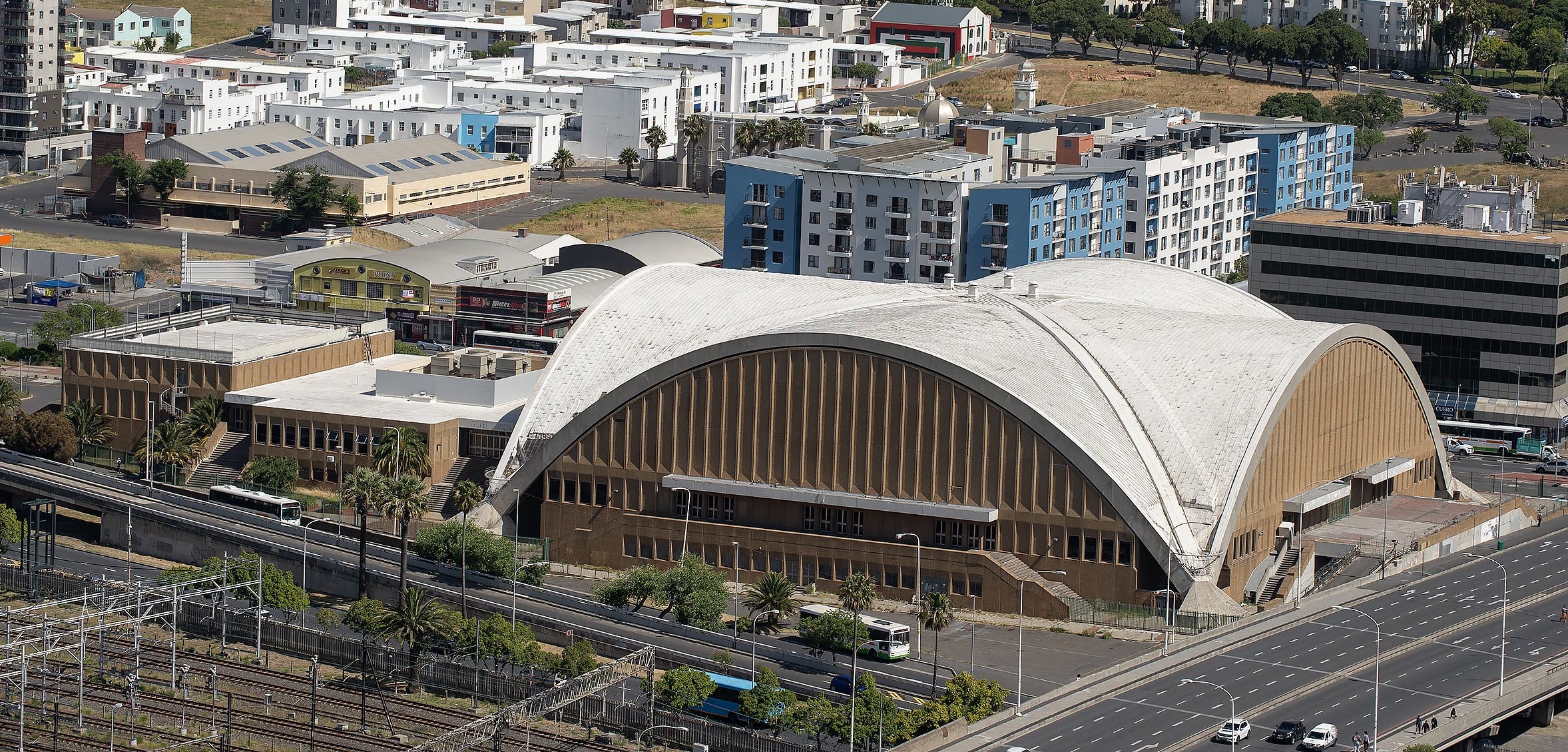
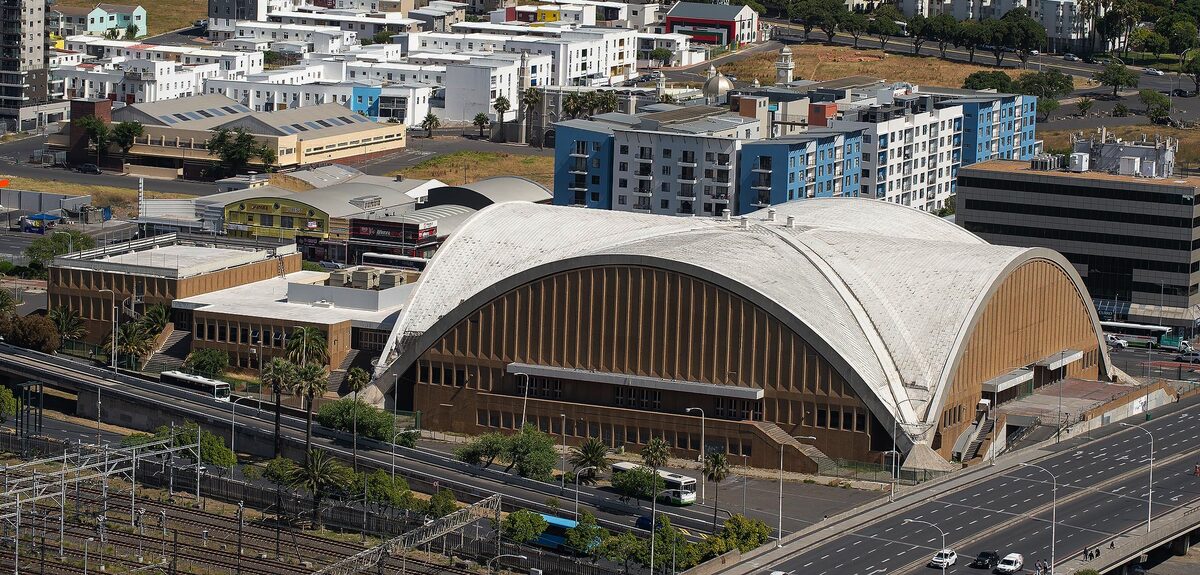
In spite of recent protests from land activists, the auction of the landmark Good Hope Centre moved ahead on Thursday 26 February, with the Claremart Group, appointed by the City of Cape Town, securing a sale of R135 million.
The public auction featured 53 City-owned properties for sale and leasing, including the Good Hope Centre precinct.
Some church members took to social media to express their delight.
One said: “Congratulations, Papa John, on the acquisition of this building. I know it’s going to be a place where lives are restored and transformed and God is glorified.”
Another said: “Praise the Lord! The Flood Gates of Heaven are open in the Mother City.”
“Glory to the most High God yes papa we must be a nation for God so that place in Maitland too small and here comes our Father through…..bigger place bigger Glory,” said another.
People’s Post contacted the church for comment but had not received a response at the time of publication.
On Tuesday 24 February, the Oedasoa Cochoqua Royal Kingdom, a Khoi-San group, and a collective of land activists filed an urgent application in the Western Cape High Court to halt the planned auction of 50 City of Cape Town properties, including the Good Hope Centre.
But the application was dismissed by the court.
Joseph Noel, Senior High Commissioner of the Royal Kingdom, told People’s Post the group owns a vast tract of land across the Western and Northern Cape.
The land includes the Good Hope Centre site.
Joseph said the disposal of land within ancestral territory without structured Indigenous engagement raises serious constitutional concerns.
Joseph stressed that they are not opposing development but want constitutional inclusion and meaningful participation in decisions affecting ancestral lands.
“We remain open to cooperative engagement and negotiated solutions. At the same time, as custodians of our community’s historical interests, we reserve all rights available to us in law,” he explained.
The auction bids are now subject to the post-auction review that the City must follow as part of the due legislative processes.
The City said in a statement all qualifying bids received will in due course be presented to the Immovable Property Adjudication Committee and, where applicable, Council for a final approval.
This means the results of the auction, including the accepted offers and winning bidders, will be confirmed at a later stage once due legislative processes have been concluded.
“Once auction results are finalised, any development on the Good Hope Centre precinct will be subject to the City’s full planning and land use framework. This includes compliance with all the applicable zoning provisions, development parameters, and – where required – public participation processes,” read the statement.
The successful bidder will also be obligated to comply with the Phase 1 Heritage Impact Assessment (HIA) guidelines, with the Heritage Western Cape (HWC) Record of Decision (RoD) forming part of the sale terms.
Ash Müller, property media professional, previously told People’s Post the Good Hope Centre has Grade 3B heritage status, meaning it has confirmed heritage value, and certain elements must be protected.
“Developers cannot demolish or fundamentally alter the iconic features that define the Good Hope Centre, such as the domed exhibition hall. Key architectural features must remain intact, any changes to the building must respect the original character.”