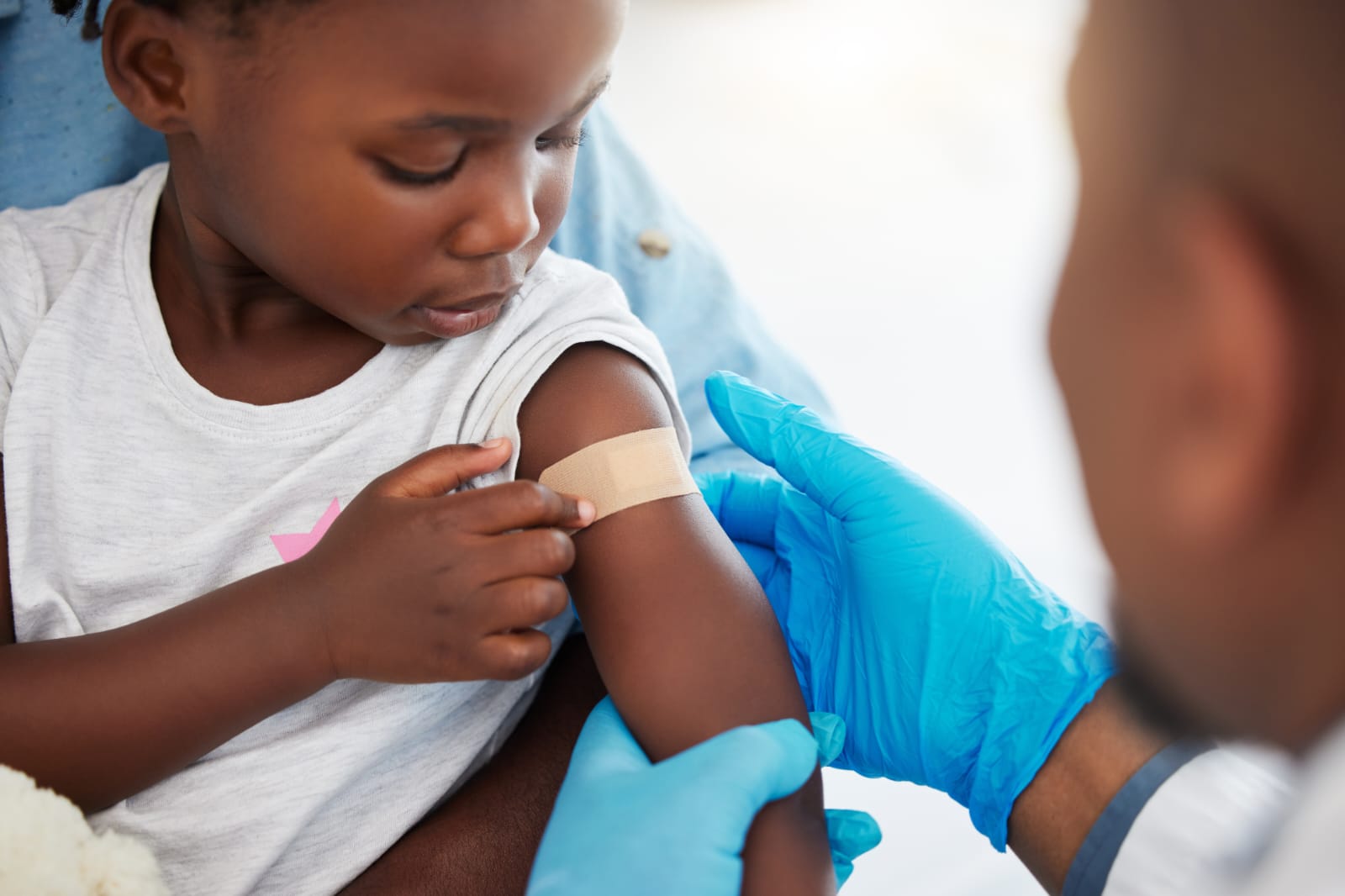
Poverty, long distances to clinics, low literacy levels among parents and misinformation spreading on social media are preventing children in Cape Town from receiving crucial vaccinations. This leaves many vulnerable to preventable diseases like measles and polio, according to new research.
Study reveals barriers to vaccination
A University of the Western Cape-led study has found that children from low-income households are significantly less likely to be fully immunised. They remain at risk from dangerous infections, including pneumococcal diseases that can cause life-threatening conditions such as meningitis.
The research was led by Dr Bridgette Lockett from UWC’s School of Nursing. It identified several barriers preventing children from completing their vaccination schedules. These include negative experiences at clinics, loss of income from taking time off work, large family sizes and high transport costs to reach health-care facilities.
“Caregivers’ knowledge about vaccines varies widely, with much lower awareness in communities with lower levels of education,” the study found. “Parental education is one of the strongest factors in determining whether a child completes their full vaccination schedule.”
The research team included Dr Juliana Willemse from UWC and Dr Rugira Modeste of Stellenbosch University’s Department of Nursing and Midwifery.
Current disease flare-ups
The findings are particularly concerning as parts of Cape Town are experiencing flare-ups of preventable childhood illnesses. Recently, the Western Cape Department of Health and Wellness reported responding to measles and diphtheria flare-ups in several areas.
These flare-ups are largely driven by falling childhood immunisation rates. This has created gaps in population immunity across the province.
Health officials confirmed 11 meningococcal disease cases (including 1 death) between 1 January and 22 February in the Western Cape. Eight cases were recorded in the Cape Town metro, two cases in the Winelands, and one case in the Overberg district. Most cases affected babies below the age of one year.
“We are monitoring disease surveillance data to identify trends, clusters, outbreaks and areas that must be prioritised for target vaccination or outreach,” the department stated.
Its response comes as health officials work to contain the spread of these preventable diseases and protect vulnerable children in affected communities.
ALSO READ: Vaccinate against meningitis and other contagious diseases
Recommendations for improvement
The researchers emphasised that despite immunisation being one of the most effective and affordable public health tools available, millions of children in countries such as South Africa continue to miss out on life-saving vaccines.
This threatens progress towards United Nations Sustainable Development Goal 3 that focuses on ensuring healthy lives and promoting well-being for all ages.
The study recommends that health-education programmes should be tailored to different cultural contexts and educational levels. Health-care workers also need better training to address vaccine myths and build trust with communities.
“These efforts must be closely monitored to ensure they improve childhood immunisation and public-health outcomes,” the researchers added.
The study, entitled “A systematic review on factors influencing immunisation adherence among children under 12 years of age“, was published in the Journal of Interdisciplinary Health Sciences.