Eddie Andrews, the City of Cape Town’s acting mayor and Mayoral Committee member for Spatial Planning and Environment, used his Freedom Day (Monday 27 April) address to Council to announce two significant renaming proposals – and a sweeping push for affordable housing reform.
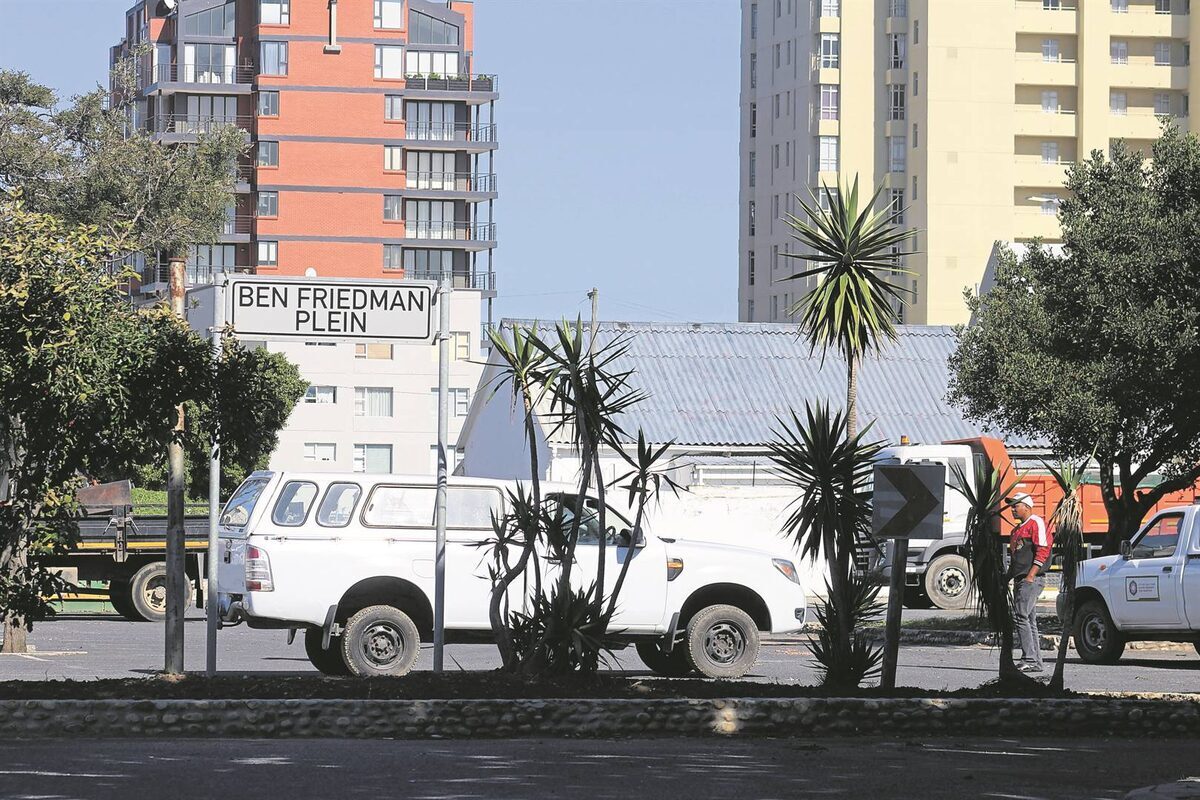
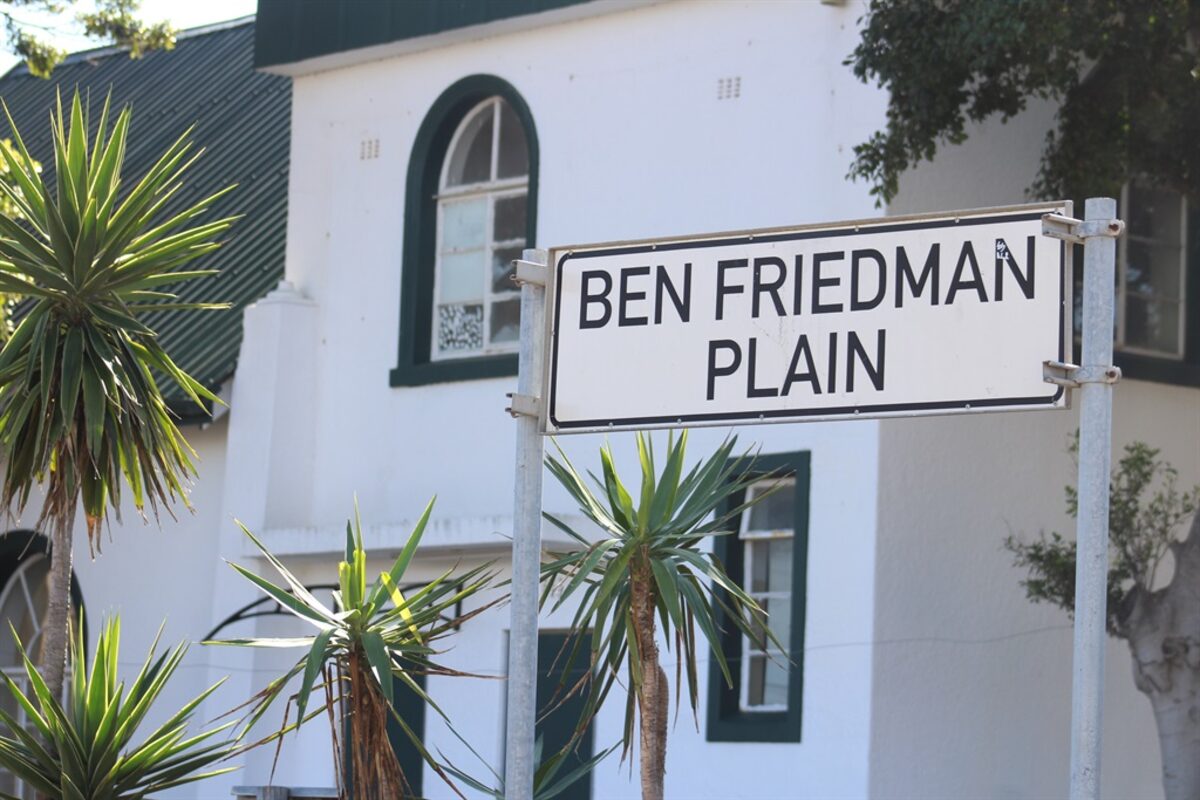
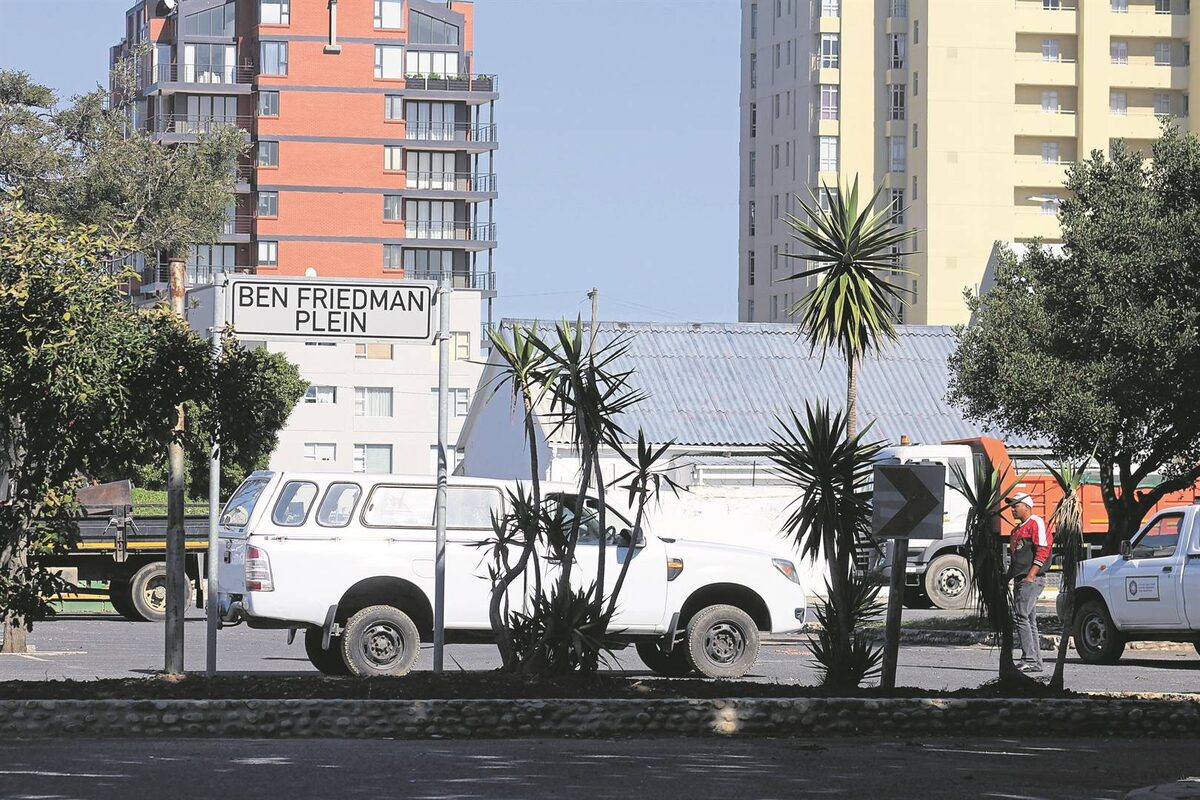
The City is considering renaming Ben Friedman Plein in Strand to Strand Muslim Square, Andrews announced in his address at City Hall – a decision he described as grounded in both history and reconciliation.
“Ben Friedman Square stands in an area shaped by the long-standing presence of the Strand Muslim community, whose heritage stretches back over two centuries,” said Andrews. “Importantly, this process has been characterised by cooperation – supported by the Muslim community, endorsed by civic and faith-based organisations, and undertaken with the support of the Friedman family themselves.”
The renaming reflects what Andrews called Cape Town’s unique tradition of interfaith coexistence. “Cape Town is a city where Muslim, Christian, Jewish, and other faith and cultural communities do not simply coexist – but have, over generations, built relationships of respect, partnership, and shared belonging. This renaming reflects that reality.”
DistrictMail & Helderberg Gazette previously reported that the City initiated a public-participation process in August 2024 on the proposal to rename Ben Friedman Plein to Strand Muslim Community Square (“Historic Strand square set to be renamed,” 14 August 2024).
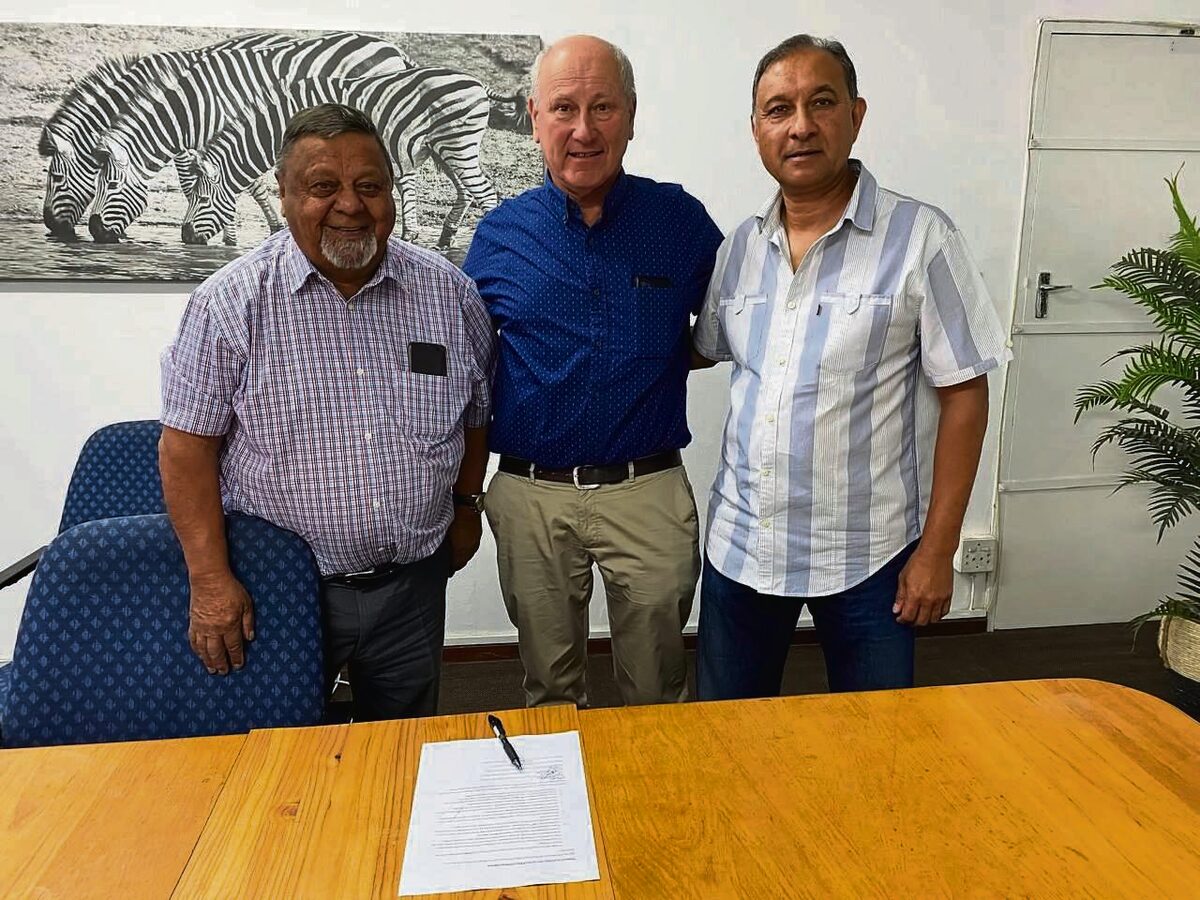
The application was submitted by Firgrove historian Ebrahim Rhoda and Feisal Daniels, supported by Professor Doria Daniels, on behalf of the local Muslim community.
The public-participation period was extended following technical difficulties that prevented residents from submitting comments via mobile devices. The comment period, initially set to close on 30 September, has been extended to run from Friday 1 to Saturday 30 November, followed by a public meeting scheduled for Monday 18 November in Strand (“Square rename consult ongoing,” 23 October 2024).
The proposal is rooted in reconciliation and restorative justice – acknowledging a community forcibly removed from the Strand CBD under the Group Areas Act in the 1950s, whose 200-year heritage includes three mosques that still anchor the square today: Nurul Anwar, Market Street and Nurul Islam. The first place of worship in Strand, the Market Street Mosque, was built on the square itself.
Notably, Barry Friedman – grandson of the late Ben Friedman – consulted his family and expressed support for the renaming, provided their own heritage was not erased. The applicants reciprocated by proposing the nearby traffic circle be named Ben Friedman Circle. The proposal has been endorsed by the Strand Muslim Council, Nurul Islam and Aneeqah Congregation, Rusthof Methodist Church, and the Muslim Judicial Council. Business owners bordering the square raised no objections.
The renaming process follows a formal City route: the Public Participation Unit compiles public comments, the Naming Committee reviews and makes recommendations to the Executive Mayor, and Council adopts the final decision.
Another renaming on the table
Alongside the Strand Muslim Square proposal, the Naming Committee is also considering renaming Belhar Drive to John van der Rheede Drive, honouring an educator, community organiser, and civic leader whose decades of service shaped the communities he served. Andrews said the renaming would permanently embed Van der Rheede’s contribution into the fabric of the area.
Both proposals will come before Council for a decision.
Freedom Day reflections
Delivering his address from within the Nelson Mandela Exhibition, Andrews drew a sharp contrast between Cape Town’s governance record and the struggles facing other major cities.
“The promise of freedom is not measured in history – it is measured in whether that freedom is upheld by capable institutions, accountable leadership, and outcomes that people can see and feel,” he said.
“Cape Town is different. We have remained disciplined in the fundamentals: we invest in infrastructure, we maintain what we build, and we plan ahead.”
He pointed to over R2,1 billion in rates relief through exemptions, rebates and reductions as evidence of the City’s commitment to financially pressed households.
The ‘missing middle’
A key item before Council was the 2026/27 review of the Integrated Human Settlements Sector Plan, with Andrews placing affordable rental housing at the centre of the City’s response to a growing crisis.
“Housing demand in Cape Town continues to grow. Informal settlements are expanding. And the pressure on land, infrastructure, and affordability is intensifying,” he said.
Andrews identified what he called the “missing middle” – residents who earn too much to qualify for housing subsidies but too little to enter the property market – including teachers, nurses, young professionals, and families excluded by credit records.
“The question before us is not whether this should exist. It already does. The question is whether it happens in an unregulated, unsafe and informal way – or whether we step in to enable, guide and formalise it.”
The City is advancing its Affordable Rental Units programme alongside the newly launched Local Planning Support Office, designed to provide direct support to residents and turn informal housing activity into compliant, bankable development.
Golden jubilee
Andrews also marked the 50th anniversary of Mitchells Plain, acknowledging its origins in apartheid spatial planning – and reframing freedom as an ongoing obligation rather than a historical achievement.
“Freedom is what we build today. It is built in Mitchells Plain, 50 years on, in the homes we enable, in the infrastructure we maintain, and in the opportunities we unlock. The question before us is not whether we are free. The question is whether we are doing enough with that freedom.”