
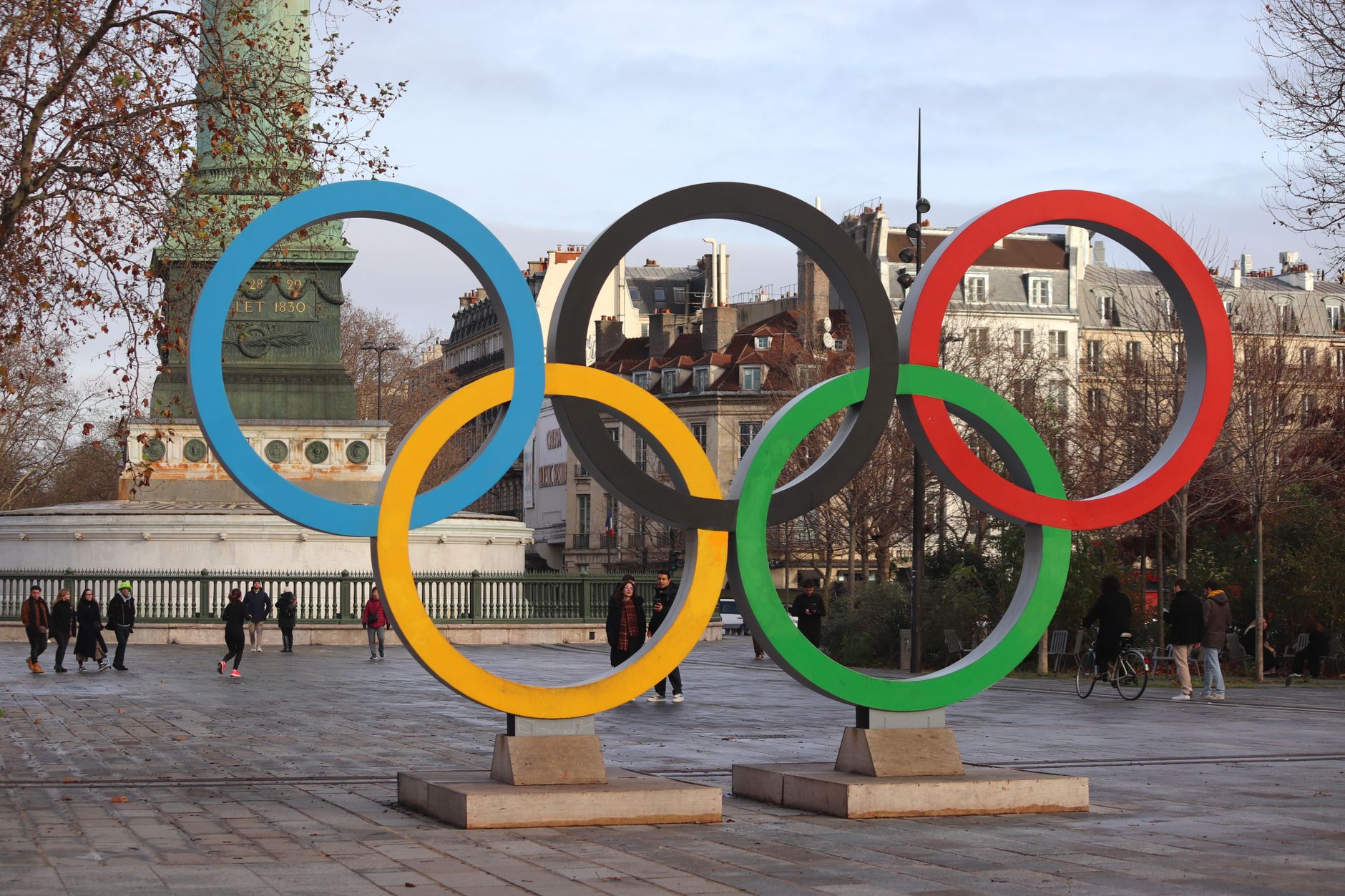
Exporters Western Cape (EWC) says Cape Town should lead South Africa’s bid to host the 2036 or 2040 Olympic and Paralympic Games, arguing that the city’s international appeal and existing infrastructure make it the country’s strongest contender.
The call comes after the South African Sports Confederation and Olympic Committee (SASCOC) announced on Thursday that Durban is the preferred host city for the bid. The announcement was made by acting SASCOC president Lwandile Simelane at Olympic House in Melrose, Johannesburg.
Call for transparency on city selection
EWC chairman Terry Gale called for greater public detail on the assessment that led to Durban’s selection over Cape Town and Johannesburg.
“Cape Town’s established hospitality sector and experience in welcoming major events give it a substantial foundation on which to build,” said Gale. “Bringing the Games to Africa would be an extraordinary achievement. We want South Africa to succeed, and that means being confident that we are putting forward our most competitive proposition.”
SASCOC has proposed a multi-city approach, with Durban hosting the Olympic Village, the opening and closing ceremonies and most events, while some sporting events could be held in Cape Town and Johannesburg.
Gale said Cape Town’s role should be much larger than that of a supporting venue. He said publishing the findings would show how the cities were compared on cost and the practical demands of hosting an event of this scale.
“As Capetonians, we knew the fundamentals were in place. The city is recognised around the world as one of the most favoured destinations for international visitors and it is reasonable to ask how that advantage was assessed alongside the other hosting requirements.”
Strong infrastructure already in place
He pointed to Cape Town International Airport, named Africa’s best airport for the 11th consecutive year at the 2026 Skytrax World Airport Awards. The proposed Cape Winelands Airport, which is working through its remaining approvals, could strengthen the region’s international connectivity further.
The MyCiTi network, launched ahead of the 2010 FIFA World Cup, provides an existing public transport foundation. The city’s hotels, restaurants and attractions, including the V&A Waterfront, and a central business district that benefits from the work of the Central City Improvement District, add to its ability to welcome visitors on a large scale.
“These strengths deserve serious consideration. They do not remove the need for further investment, but they are a strong starting point,” said Gale.
Economic opportunities for exporters
He said the bid also matters to exporters because of its potential to raise South Africa’s international profile and strengthen business relationships.
“For our members, this goes beyond sport or tourism. An event of this stature creates opportunities to introduce international visitors and businesses to what our region produces and to build relationships that last well beyond the Games.”
Next steps in the bid process
SASCOC is due to present South Africa’s proposal to the International Olympic Committee in November. EWC said it will continue to advocate for Cape Town to lead the national bid.
“We believe Cape Town offers South Africa its best chance of presenting a compelling bid. Whatever shape the proposal ultimately takes, it must be affordable and leave infrastructure that serves South Africans for years afterwards,” said Gale.
The Cabinet approved South Africa entering the IOC’s Continuous Dialogue process for a 2036 or 2040 bid in November 2025. If successful, South Africa would become the first African country to host the Summer Olympic Games.
Durban previously won the right to host the 2022 Commonwealth Games but lost those rights in 2017 over financial and delivery concerns.