

The City of Cape Town has welcomed an opportunity for the Western Cape High Court to determine constitutional and funding obligations for its Dial-a-Ride disability transport service, following the national government’s recent termination of funding for the program.
The legal proceedings come as the Western Cape Network on Disability has filed an urgent application challenging the City’s proposed adjustments to the Dial-a-Ride service, which were necessitated by severe funding constraints after national government support was withdrawn.
During court discussions, the City agreed to extend existing Dial-a-Ride services while the disability network expedites its legal application. This interim arrangement has been formalised as a court order, providing breathing room for both sides as the constitutional questions are resolved.
At the heart of the matter lies a fundamental question about which level of government bears responsibility for specialised disability transport services. The City argues that municipalities are not constitutionally mandated to provide such specialised services, yet Cape Town has been operating Dial-a-Ride since 2002, initially funding it directly through municipal rates.
“The City of Cape Town invests more in transport for persons with disabilities than any other metro in South Africa, and is proud to do so,” the municipality stated. “But the City cannot shoulder this responsibility indefinitely without broader support.”
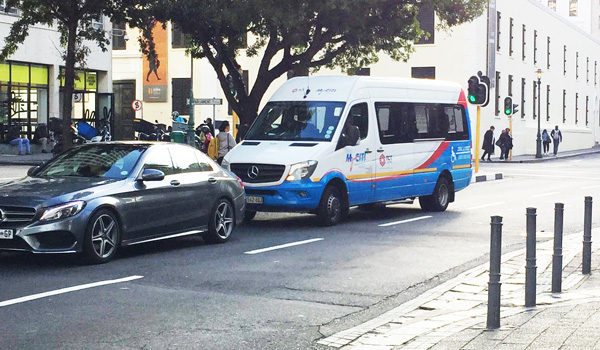
The service’s scope has expanded significantly beyond its original mandate of transporting wheelchair users and people with severe mobility impairments to and from work. Without support from other government levels, the City now seeks to realign the service with its core objective while mainstream public transport becomes universally accessible.
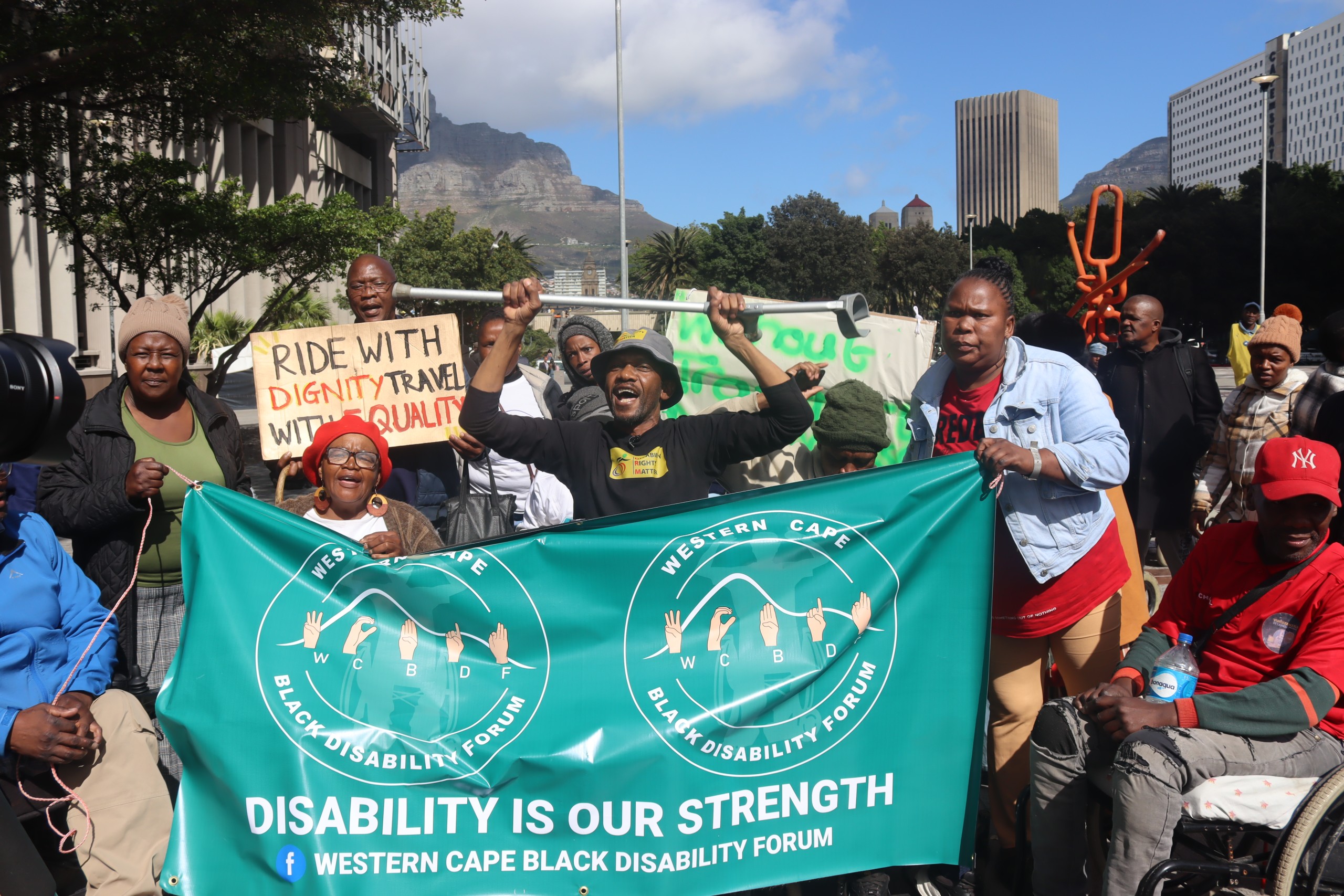
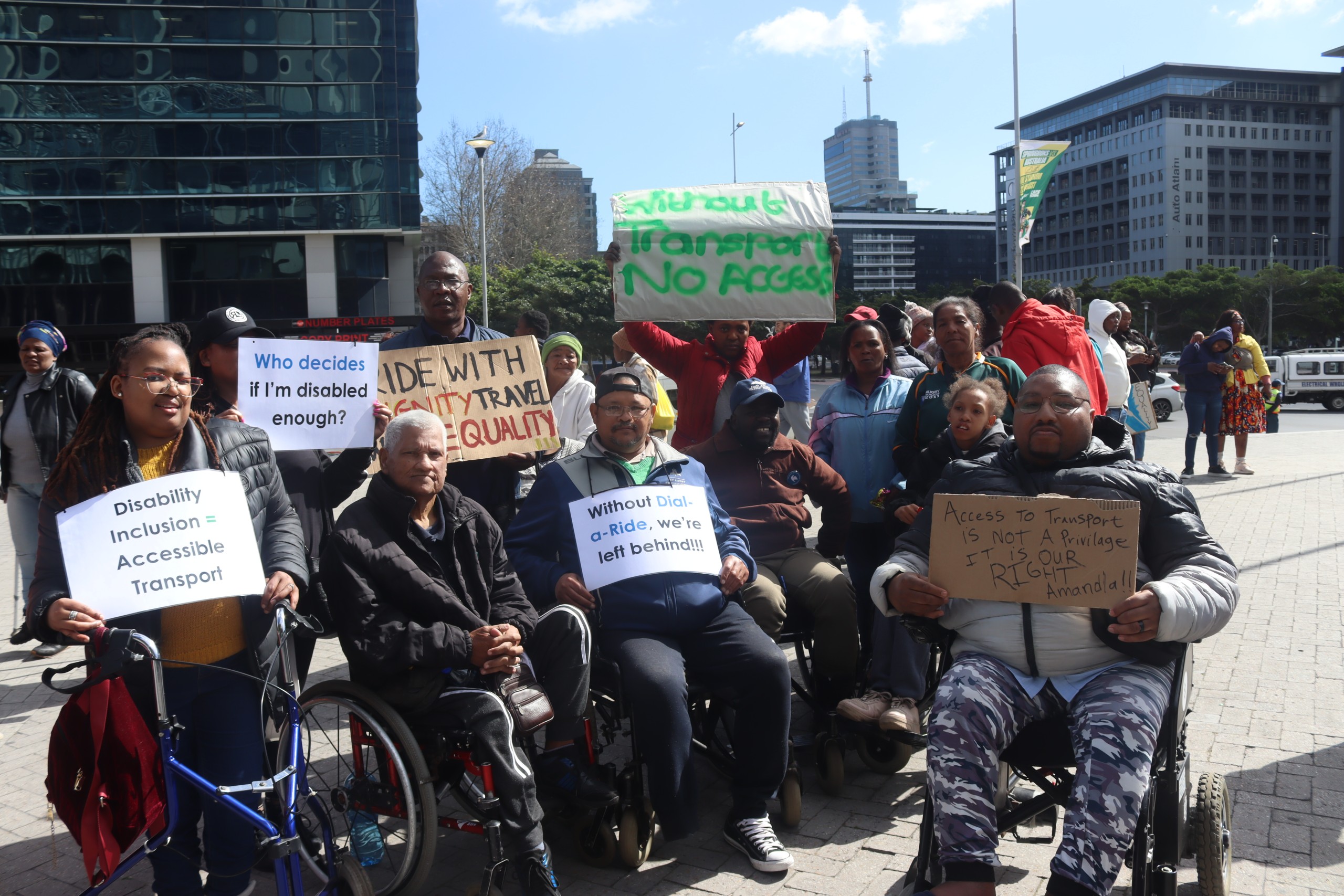
ALSO READ: Dial-a-Ride service cut sparks outrage among Cape Town’s disabled community /
The legal battle unfolds against the backdrop of Cape Town’s broader accessibility initiatives. In May, the City Council adopted the Universal Access Policy for Accessible Transport, an internationally recognised framework committing Cape Town to a mainstream system where all people can travel independently and safely, regardless of ability.
Th City furthermore said that these investments are already visible in the MyCiTi bus service, designed for universal access in both vehicles and infrastructure. The City is advancing with Phase 2A rollout, connecting Khayelitsha and Mitchells Plain with the economic hubs of Claremont and Wynberg.
ALSO READ: Disability groups fight back against Dial-a-Ride service cuts
Complementing these efforts, Cape Town is upgrading its network of sidewalks and pedestrian crossings to promote inclusive mobility for children, elderly residents, cyclists, and those using mobility aids.
The City hopes the court process will unlock necessary funding from state organs with constitutional mandates for disability services, particularly for non-employment related trips that fall outside the service’s original scope.
“Delivering true inclusion will require collective effort from all spheres of government, employers and civil society — and not necessarily through funding alone,” the City stated.
The court’s decision could set important precedent for how disability transport services are funded and managed across South Africa’s metropolitan areas, as local governments grapple with expanding service demands amid constrained resources.



You must be logged in to post a comment.