Cape Town is gearing up for a major transport revolution that could fundamentally change how millions of residents move around the Mother City.
Mayor Geordin Hill-Lewis has thrown down the gauntlet to national government, announcing the City of Cape Town will push for complete control of passenger rail services after council yesterday backed an ambitious business plan that promises to resurrect the metro’s beleaguered train network.
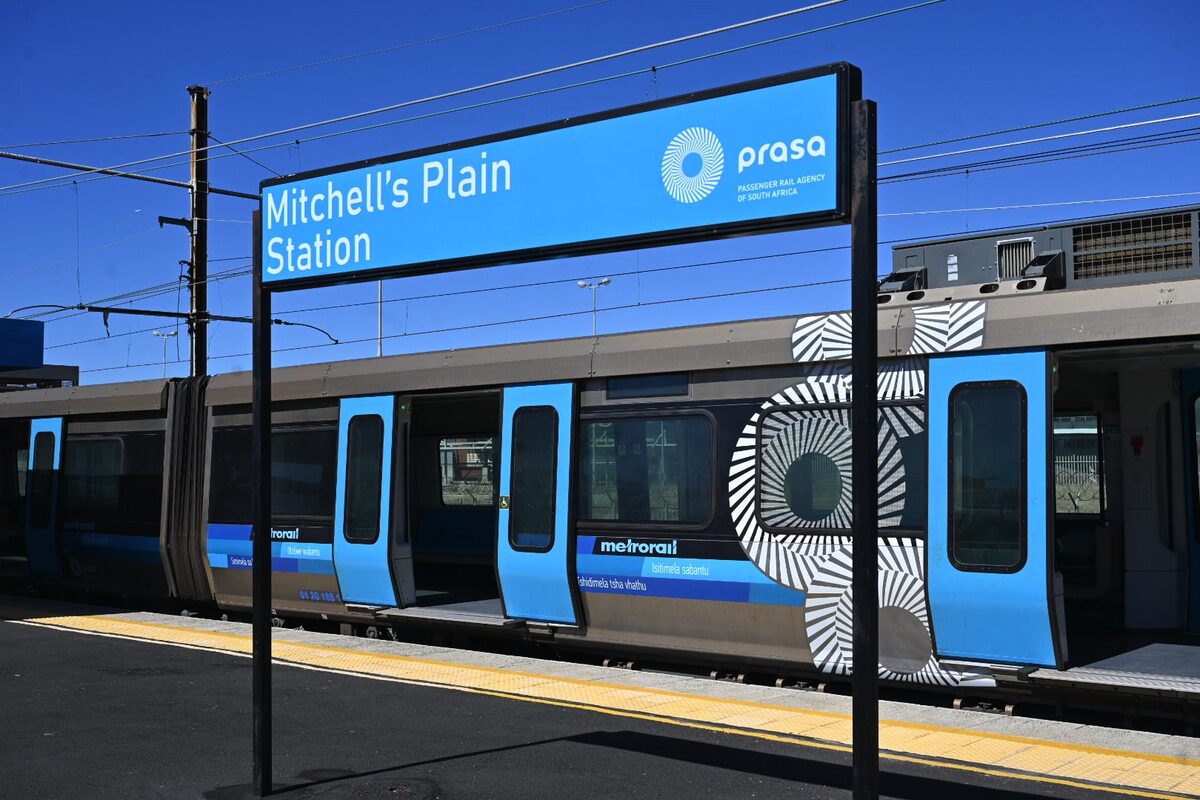
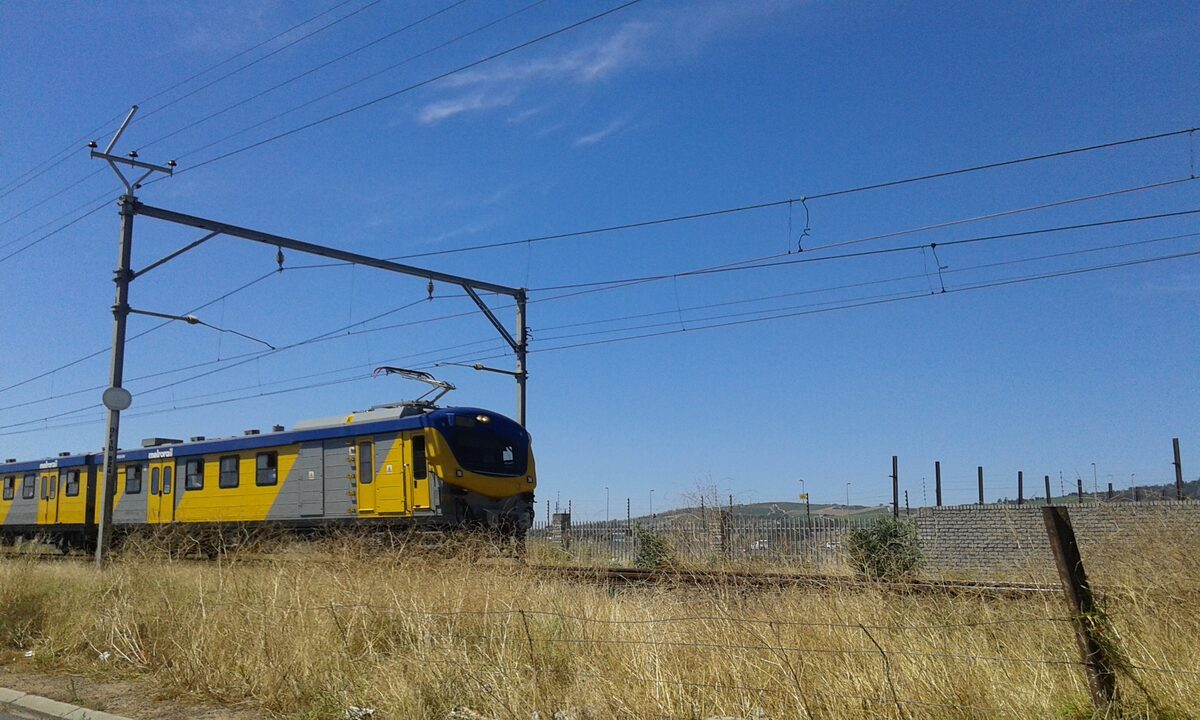
With Cape Town’s rail system having collapsed from carrying over 600 000 passengers daily in 2012 to a fraction of that today due to vandalism, theft and poor maintenance under Prasa, the City’s bold takeover bid represents perhaps the most significant transport initiative in decades – one that could see private operators running sleek new services under municipal oversight.
The rail business plan looked at nine different handover scenarios and narrowed it down to three workable options. Each involves the City taking control of rail services, assets and infrastructure, with private companies running the actual services under contract.
The plan also knocked out weaker options where Prasa would keep owning the infrastructure or where the City would run trains directly instead of bringing in private operators.
According to the City, passenger rail takeover as essential to improving integrated public transport across the metro, one of several key means to achieving its broader long term plan target of 110% GDP growth by 2050.
National funding
Crucially, the plan concludes that devolution is only possible with funding from the national fiscus, with no room within the rates base of the City to cross subsidise rail.
The City also needs to have authority over fare-setting, access to long-term national grant-funding, and to generate local revenue through public-private partnerships and commercialisation. This is in line with the City’s constitutional mandate for integrated transport planning across different public transport modes.
Capetonians urgently need an expanded, affordable, and reliable rail service that is integrated with other forms of transport via one ticketing system.
Mayor Geordin Hill-Lewis said that the National White Paper on Rail and the Constitution both recognise that local government is best positioned to deliver integrated, affordable, and accountable public transport through coordinated planning across transport modes.
“Today is an historic milestone as Council adopts both a business plan for passenger rail takeover in the short-term, as well as our City’s overall long-term plan until 2050, which sets out our strategic goals over the next 25 years,” said Geordin Hill-Lewis in his address to council.
“In the Cape Town of 2050, we’ll mostly use affordable public transport to get around, our streets will be much safer due to smart policing. Capetonians urgently need an expanded, affordable, and reliable rail service that is integrated with other forms of transport via one ticketing system.
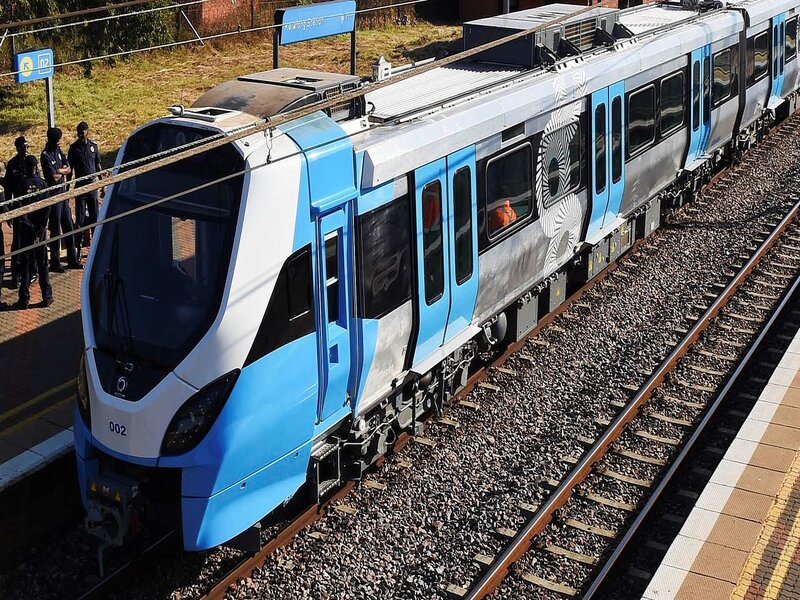
“The rail business plan will now inform our engagements with national government to devolve passenger rail to the City. This is one of the critical first steps in the long-term vision to massively scale up passenger numbers, new train sets, new routes, upgrade stations, and develop surrounding precincts with affordable housing over the next two decades.”
Network to be restored
The City’s Mayco member for urban mobility, Rob Quintas, said that to ensure a viable devolution handover, it is necessary for Prasa and national government to restore the rail network and operations to 2012 levels of 620 000 daily passenger trips, which existed prior to the steady collapse of rail over the last decade.
He explained that the City would then work to further expand the rail service, with most scenarios including a new Blue Downs rail link and potentially further expansion dependent on the national fiscus.
The City’s rail business plan follows the inception phase of the rail feasibility study, followed by a baseline analysis in October 2023 that assessed the current state of rail operations and infrastructure in Cape Town.
This was succeeded by the development of the alternative institutional options report a year later, which identified and evaluated viable network and governance models. Following Council’s approval of the preferred institutional options in December 2024, the business plan phase commenced in January 2025.
The business plan was developed using in-depth research into the state of the local rail system as well as stakeholder engagement to provide a credible basis for negotiations with national government and further long-term planning, the City stated.
ALSO READ: Cape Town moves closer to taking control of passenger rail services