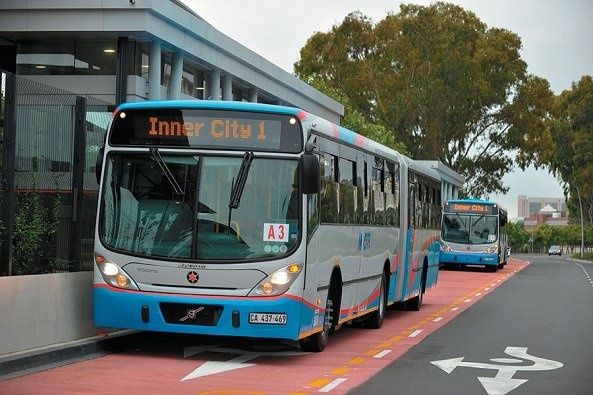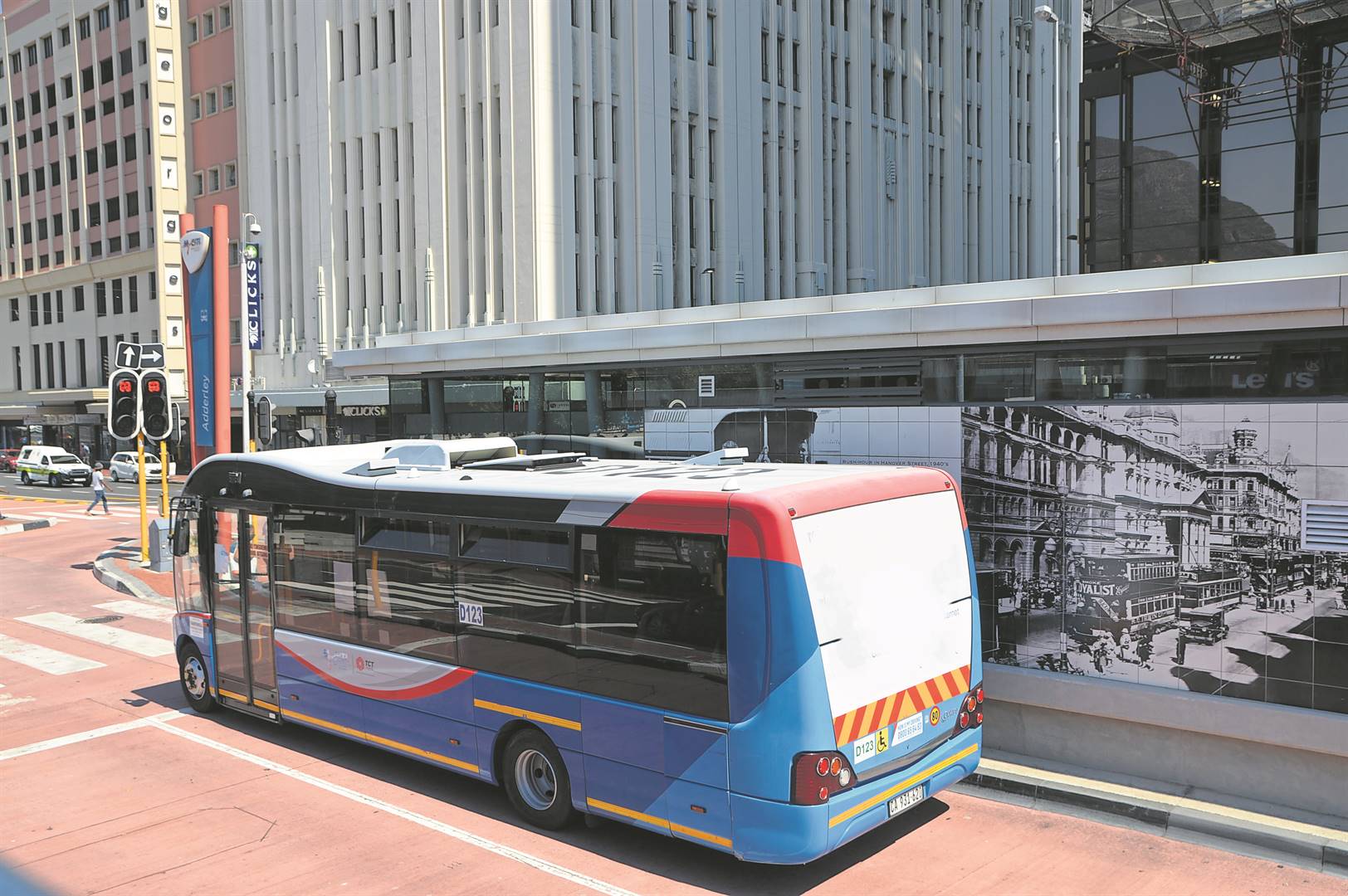

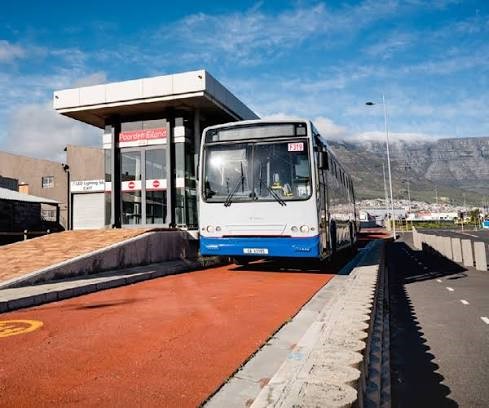
Commuters, residents, and members of the public have launched a petition rejecting the City of Cape Town’s decision to increase the MyCiTi monthly pass from R1 000 to R1 500, effective 1 July 2026.
The increase, which amounts to R500 or 50% for monthly pass users, has drawn sharp criticism from commuters who describe the hike as unaffordable and insensitive.
For many working-class residents, particularly those from communities such as Hout Bay, Hangberg, and Imizamo Yethu and further afield, MyCiTi is not a luxury but the primary means of accessing work, school, clinics, government services, and economic opportunities, the petition states.
Petitioners argue that the increase comes at a time when households are already under severe financial pressure from rising food prices, electricity costs, school expenses, and unemployment.
They warn that a 50% fare increase risks pushing poor and working-class commuters further away from opportunity and deepening inequality.
ALSO READ: ‘Kaapstad-begroting melk belastingbetalers genadeloos’, sê VF Plus
Those behind the campaign are calling on the City of Cape Town to suspend the R1 500 monthly pass increase and to review the fare structure through meaningful public participation.
They are further demanding the introduction of commuter relief for workers, learners, and low-income passengers, the publication of a clear breakdown of cost calculations, subsidies, and diesel-related increases, as well as urgent public engagement sessions in affected communities.
The petition is directed at Cape Town Mayor Geordin Hill-Lewis, Mayco member for urban mobility Rob Quintas, and the City of Cape Town Council.
City acknowledges burden
In reply to a media inquiry, the City of Cape Town defended its decision to increase public transport fares by 50%, saying the hike is necessary to keep the service financially sustainable.
When asked why the increase is so steep, Quintas said the City had been absorbing rising fuel costs for months. “The City has absorbed the rising costs of fuel for many months at an additional cost of R9.1 million per month. We have to keep the service sustainable in order to avoid cutting routes or narrowing down the service,” he said.
Should the diesel price continue to decrease, we will definitely revisit the fares.
Asked how the City arrived at the 50% figure, Quintas did not provide a detailed breakdown of the cost calculations but pointed to diesel price increases as a key driver.
On the question of how low-income residents are expected to afford the increase, and what the City’s message is to poor commuters who can no longer afford to travel to work, Quintas acknowledged the burden on vulnerable households.
“We have lowered tariffs in the past when there have been consecutive months of fuel cost reductions, and should the diesel price continue to decrease, we will definitely revisit the fares, as we are well aware of the impact that transport costs have on low-income households in particular,” he said.
The City did not directly respond to calls for a published breakdown of cost calculations, subsidies, and diesel-related increases, or for urgent public engagement sessions in affected communities, both of which form part of the community petition submitted to the City.