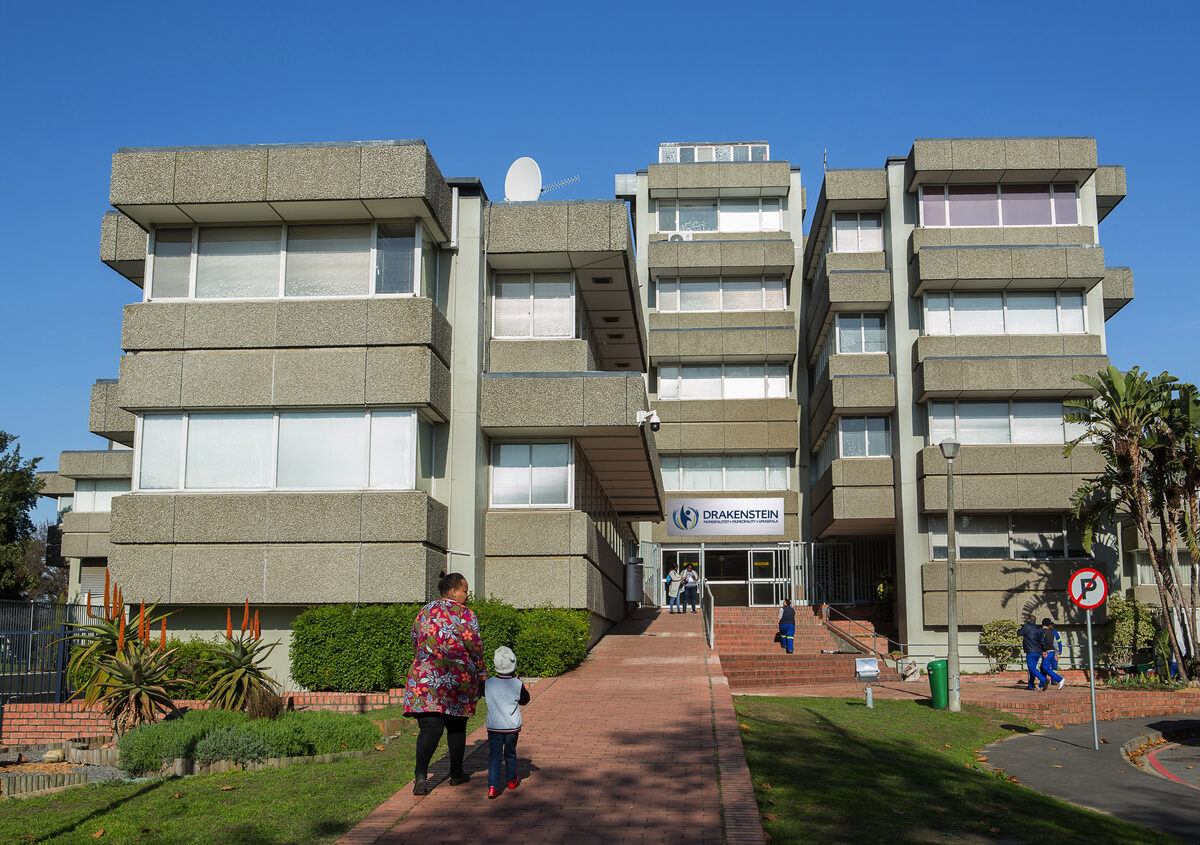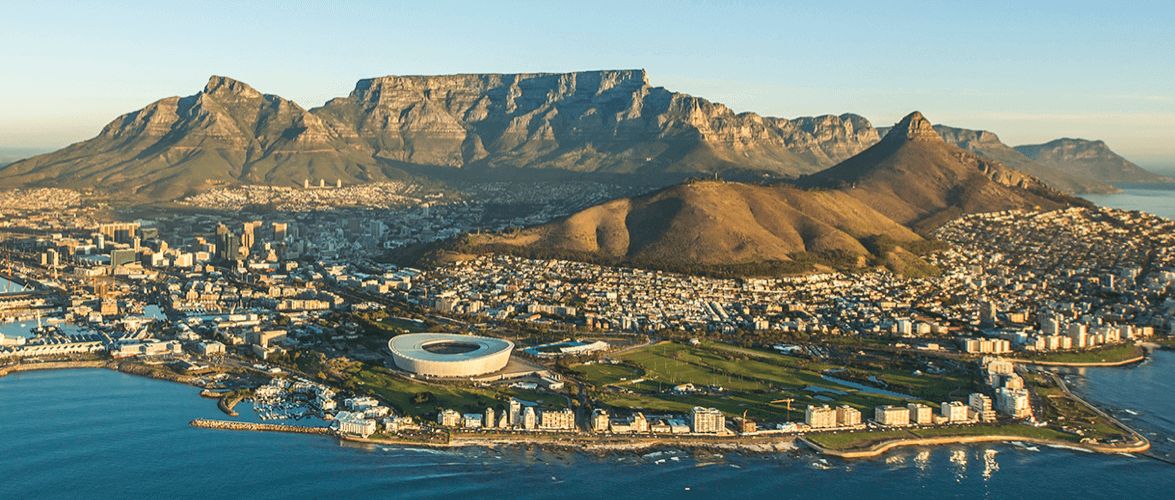
The City of Cape Town has set aside a substantial R5.1 billion in financial relief specifically targeted at the metro’s most vulnerable residents, including indigent customers, pensioners, and social grant recipients.
This significant support package forms part of a broader R7.3 billion assistance program that also includes a separate R2.2 billion debt write-off initiative for qualifying residents struggling with municipal debt.
The indigent support program is designed to provide ongoing relief to those who need it most, offering various forms of assistance to help ease the financial burden of municipal services on Cape Town’s low-income households.
Councillor Siseko Mbandezi, the City’s Mayoral Committee Member for Finance, explained the comprehensive nature of the support available. “In addition to the debt write-off initiative, we are also offering a R5.1 billion social support package for qualifying indigent and pensioner/social grant recipients,” said Mbandezi.
“Our dedicated officials at the City’s Customer Interaction Centres are ready to assist, and we encourage all residents to find out more about the support available. The City remains committed to improving its services and finding new ways to assist residents in need of help.”
The indigent support program includes several key benefits:
- Pensioner and social grant recipient support
- Comprehensive indigent assistance
- Free water and sanitation services for old age homes and shelters
- Free electricity through the Lifeline tariff system
Enhanced relief in 2025/26 budget
The City has significantly expanded its relief measures in the current budget, with several improvements designed to reach more residents:
The popular “First R450 000 rates-free” benefit has been extended to homes valued up to R7 million, increased from the previous R5 million threshold. This expansion means more middle-income households can now access property rates relief.
More pensioners and social grant recipients now qualify for both rates relief and lifeline electricity, broadening the scope of support for the city’s elderly and most vulnerable residents.
Additional cost-saving measures
Beyond the core indigent support, the City has implemented several measures to reduce the financial burden on residents:
- Significantly reduced city-wide cleaning charges for all residential properties valued under R20 million
- Lower fixed water charges for properties in the R1 million to R25 million value range
- Continued price protection for Lifeline electricity customers
Lifeline electricity benefits
The City’s Lifeline tariff continues to provide substantial savings for qualifying customers. Those using 600 units per month still pay roughly the same rates they did three years ago, despite general electricity price increases.
To remain on the beneficial Lifeline tariff, customers need to maintain an average of 450 units monthly over a 12-month period. Lifeline customers with prepaid meters receive either 25 or 60 units of Free Basic Electricity, depending on their consumption levels.
How to access support
Residents seeking assistance can contact the City through several channels:
- For indigent help: indigent.relief@capetown.gov.za
- For rates rebates: rates.rebate@capetown.gov.za
- Call centre: 0860 103 089
- Online applications: www.capetown.gov.za/City-Connect/Apply/Financial-relief-and-rebates
The City encourages all qualifying residents to reach out and explore the various support options available, emphasizing that the programs are designed to provide meaningful relief while maintaining the sustainability of municipal services.
This R5.1 billion commitment represents one of the largest indigent support packages in the City’s history, demonstrating a significant investment in supporting Cape Town’s most vulnerable communities during challenging economic times.
ALSO READ: Property owners take City of Cape Town to court over controversial tariffs