NALA – Concerns over steep municipal tariff increases and the need for greater financial scrutiny have prompted calls for closer oversight of Nala Local Municipality’s financial and administrative decisions.
The Democratic Alliance (DA) in Nala says it will raise the matters with the relevant Public Accounts, Finance and Cooperative Governance and Traditional Affairs (COGTA) committees, particularly where municipal decisions could place additional pressure on households and businesses.
At the centre of the concerns is the municipality’s 2026/27 Tariff Policy, which was presented to Council on 6 August. The DA says the policy was presented without prior consultation with residents or the Finance Committee and includes significant increases in some services.
Water tariffs increased by 20.70%
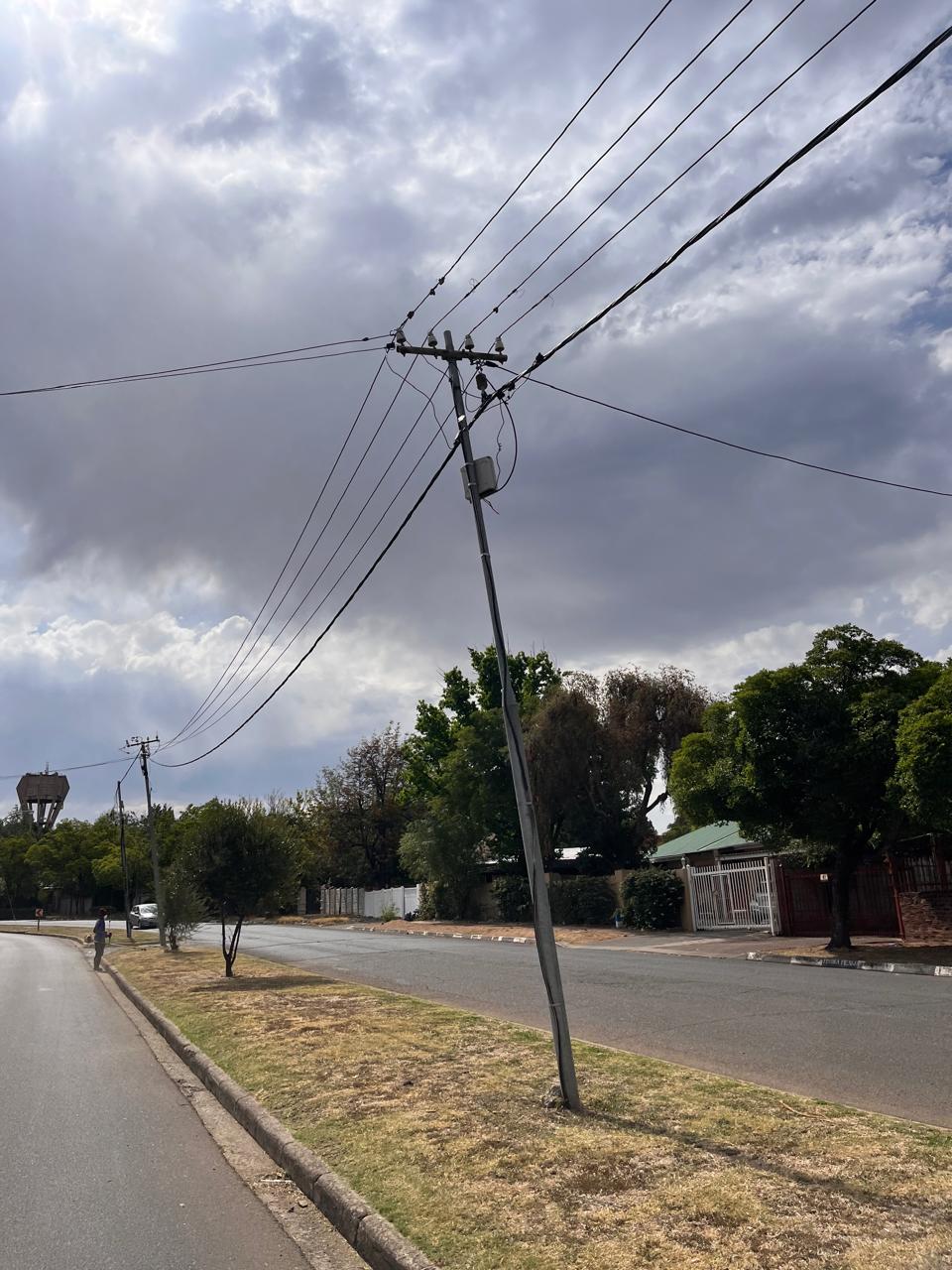
Water tariffs increased by 20.70%, while electricity tariffs rose by 18.94%. Industrial and agricultural tariffs reportedly remain unchanged.
The party says the increases differ from the tariffs previously proposed, which were subjected to public consultation and incorporated into the municipality’s main budget following engagement with National Treasury.
NERSA increase
It also points to the 9.01% electricity increase approved by the National Energy Regulator of South Africa (NERSA) on 5 March , compared with the higher increase reflected in Nala’s tariff policy. A 6% increase had previously been proposed for other municipal services.
The DA argues that tariff adjustments should take into account residents’ ability to pay, as well as the municipality’s efficiency in delivering services.
“Nala’s reported distribution losses of approximately 40% for water and 28% for electricity could be addressed to yield estimated savings of R28 million,” said DA Nala councillor David Ross.
The party is also calling for closer scrutiny of the municipality’s proposed Distribution Agency Agreement with bulk suppliers.
Distribution Agency Agreement
The agreement could potentially enable Nala to participate in Eskom’s Debt Relief Programme. However, the DA wants the Finance Committee to assess the agreement’s financial implications, including the requirements of Section 78 of the Municipal Systems Act, as well as its potential impact on municipal development, job creation and employment.
Another issue is the Section 106 investigation into allegations of non-performance and maladministration. The report has not yet been tabled before Council and is provisionally scheduled for consideration on 14 August.
The investigation was not a judicial inquiry, but was intended to produce a report for Council. The DA says each matter identified should be considered on its own merits and, where warranted, referred for further investigation, disciplinary action, civil recovery or criminal proceedings.
The party has also raised concerns about the municipality’s financial controls and compliance with legislation governing municipal tariffs, procurement and service delivery.
Concerns about municipality’s financial controls
Section 217 of the Constitution requires public procurement to be conducted through a system that is fair, equitable, transparent, competitive and cost-effective. The DA says these principles should guide municipal financial decisions to ensure that inefficiencies and poor planning do not translate into excessive costs for residents and businesses.
Ross said the focus should ultimately be on ensuring that municipal finances are managed responsibly while essential services remain affordable and sustainable.
“Residents should not be forced to choose between paying inflated municipal bills and meeting other basic household needs,” he said.
The DA says it will continue to seek greater transparency and accountability around Nala’s financial decisions, with particular attention to tariff-setting, service delivery costs and measures to reduce operational losses.
ALSO READ: Eskom tariff hike takes effect – calls for pricing reform