

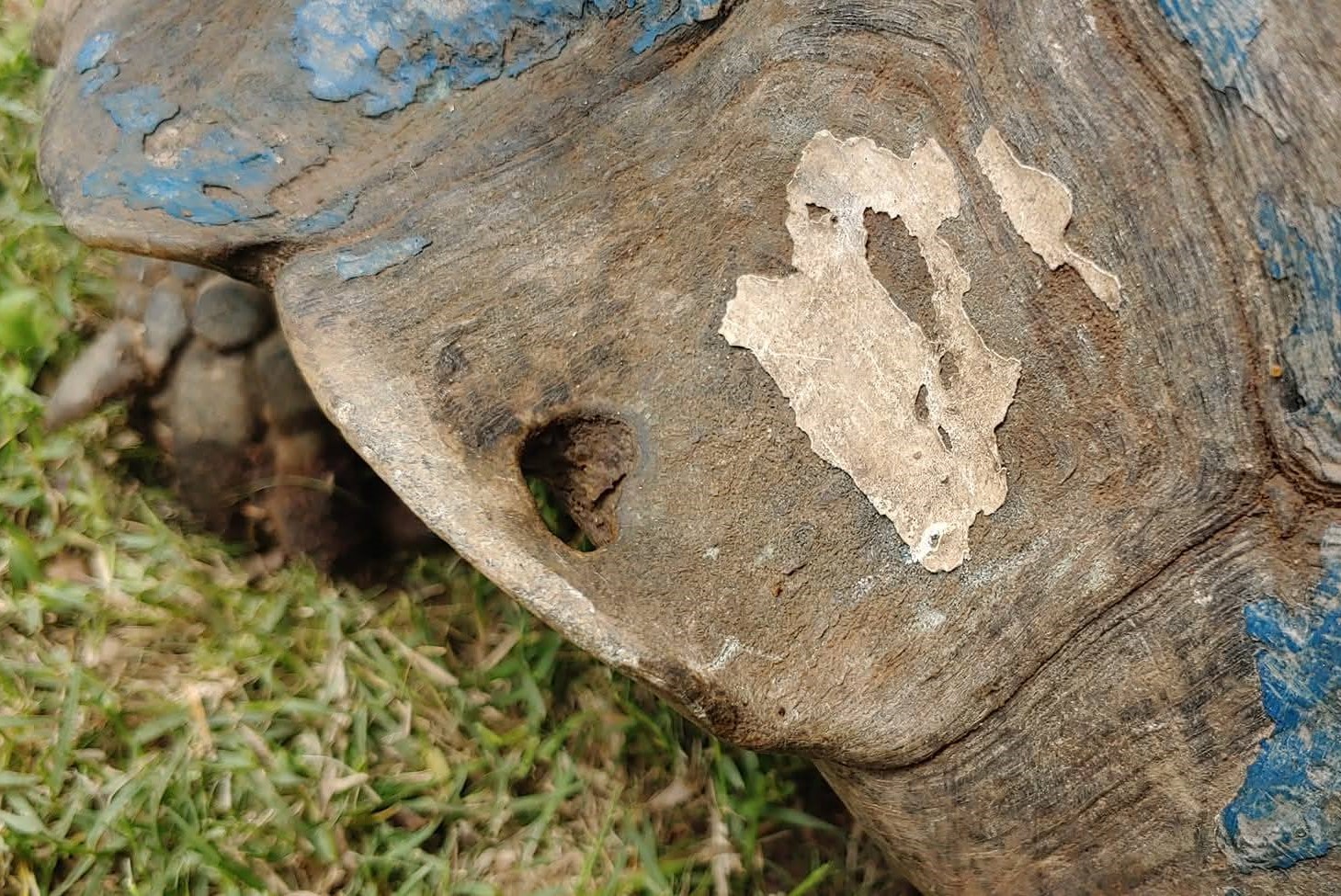
The illegal sale of indigenous wildlife is a constant ongoing crime and the visibility of this illegal trade is of great concern.
“Day after day, animals are stolen from the wild and displayed on the side of our roads as if they are commodities, stripped of their ecological value and reduced to objects for quick profit,” stated the non-governmental organisation, Wildlife Crime Information Network (WCIN).
According to the organisation, this illegal trade is public, frequent, and so normalised. “Does the trade survive because it is tolerated? Does it continue because it is profitable? Does it grow because too many people look the other way?”
The problem with buying
WCIN urges members of the public not to buy tortoises from roadsides, emphasising that every roadside sale is driven by demand and every buyer, even with good intentions, keeps that demand alive. “If everyone refuses to buy, the incentive can disappear,” the organisation states.
The organisation is clear: buying is not rescuing, it’s rewarding the crime. One may believe they are saving a tortoise by purchasing it, but in reality, they become part of the problem.
ALSO READ: Two arrested for possession of endangered leopard tortoises
“You are participating in an illegal transaction that fuels wildlife trafficking and strengthens the very system harming these animals. The moment money changes hands, the damage is already done. A single purchase sends a clear message to the trafficker to go and get more and another tortoise will be taken from the wild to replace the one you ‘rescued’.”
Furthermore, by buying a tortoise without a permit, buyers are technically violating the law, making them criminals in the eyes of the law even if their intentions were altruistic.
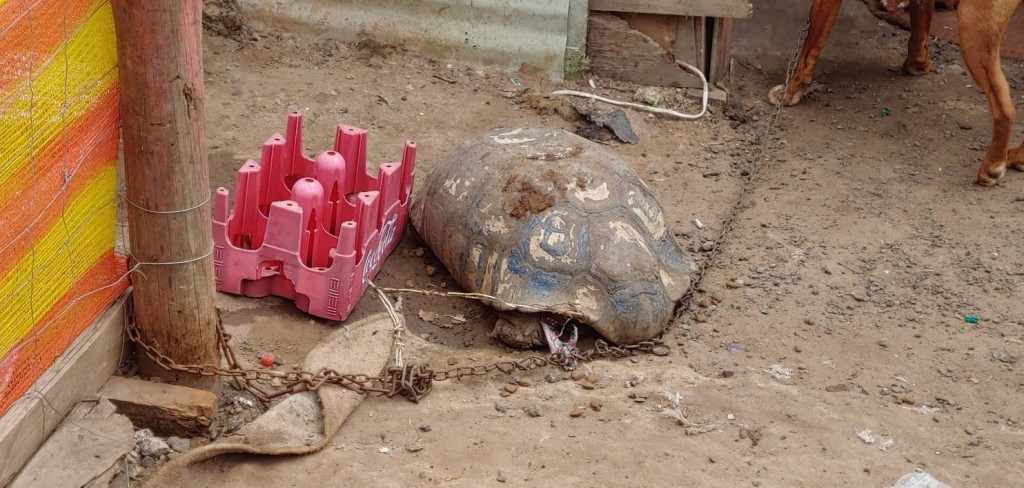
What the public can do
WCIN provides clear guidance for concerned citizens:
- Do not buy wildlife from roadsides, no matter the reason
- Report illegal wildlife sales immediately
- Educate others: wildlife belongs in the wild, not in cages, crates, or in the boot of a car
- Support organisations and authorities working to combat wildlife crime
The organisation also warns against releasing unwanted tortoises back into the wild, which is illegal. Many released tortoises do not survive and have the ability to transmit disease to local wildlife populations.
How to report wildlife crimes
Wildlife crimes can be reported via WhatsApp or call on 079 643 9556 or by email to report@wcin.org.za. All information provided will be treated as confidential.
When reporting, try to provide the address (street name, house number), photo or video if possible, location of house or seller, and description of the person involved.
The nearest SPCA or any other animal welfare organisation can also be contacted.
One can also contact the Tortoise Conservation South Africa.
Legal protection
All tortoises are protected species and listed under the Convention on International Trade in Endangered Species (CITES) as well as provincial legislation. The Endangered Wildlife Trust states it is illegal to collect any tortoise species in South Africa, and they may not be kept as pets without a permit.
ALSO READ: Tortoises rescued from illegal captivity relocated to St Francis Links
Tortoises require special care and environments that are difficult to replicate in captivity, leading to poor health and shorter lives. Captivity often leads to stress and behavioral issues for tortoises, which can suffer greatly without proper conditions.
Helping tortoises safely
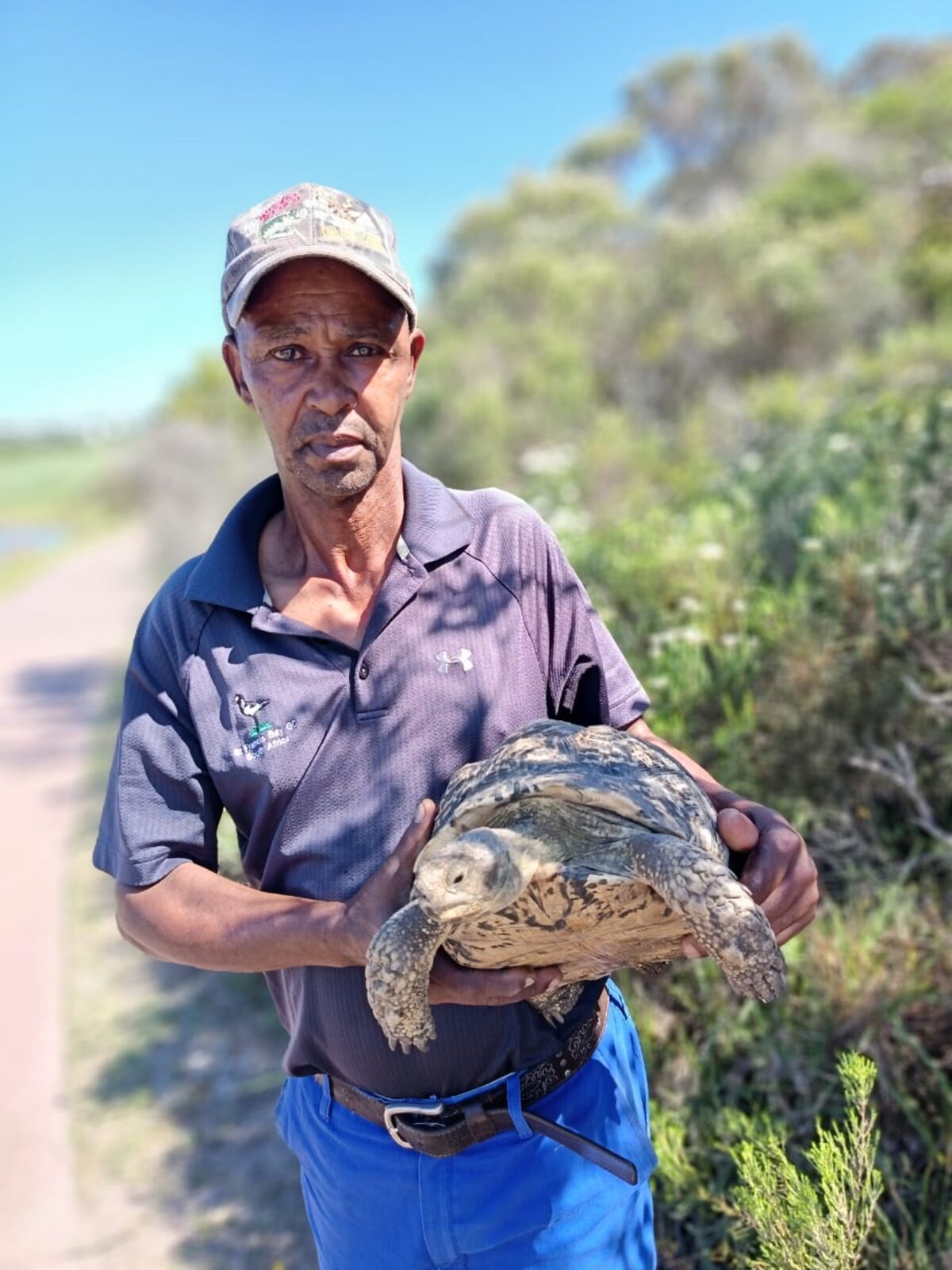
If you see a tortoise in the road, please move it to a safe, open field away from traffic – but remember, only move them in the direction they were already heading.




You must be logged in to post a comment.