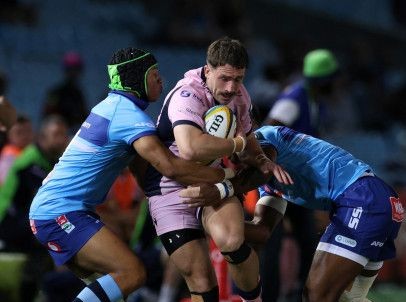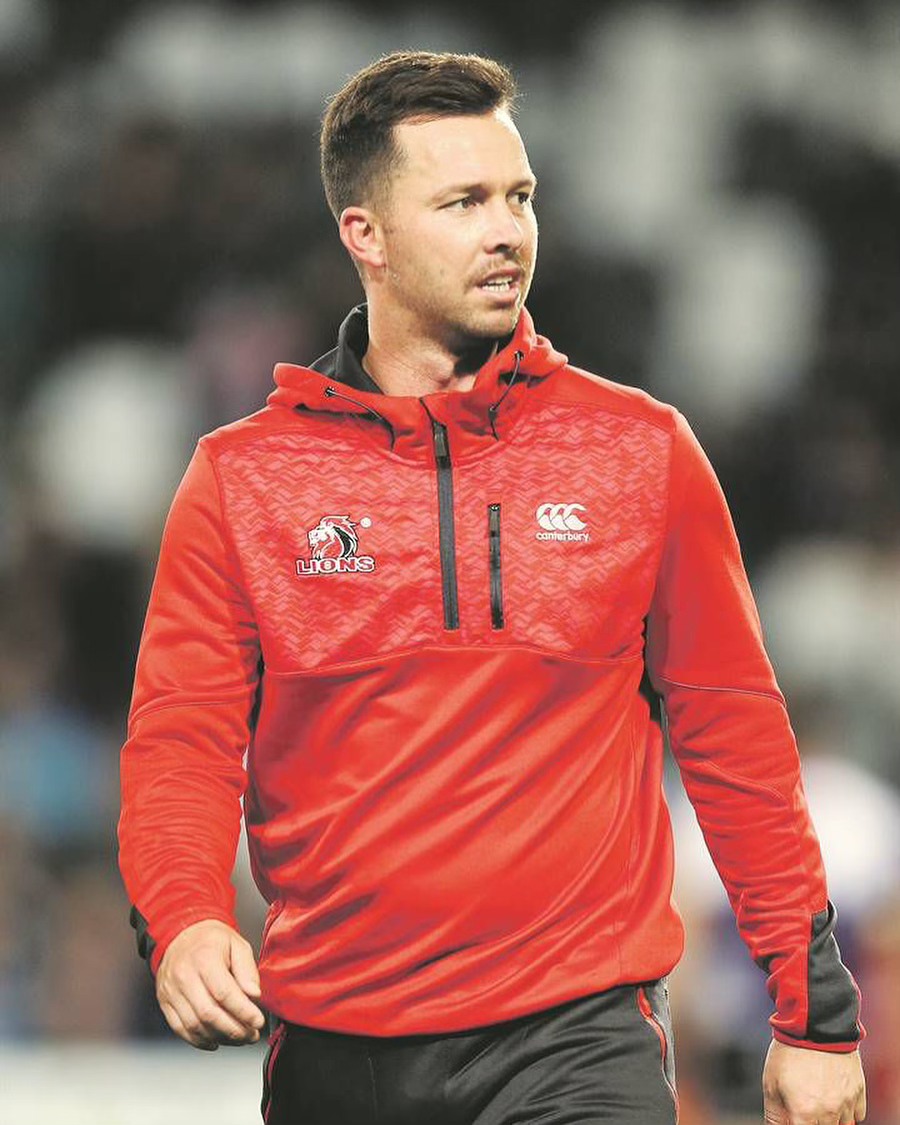
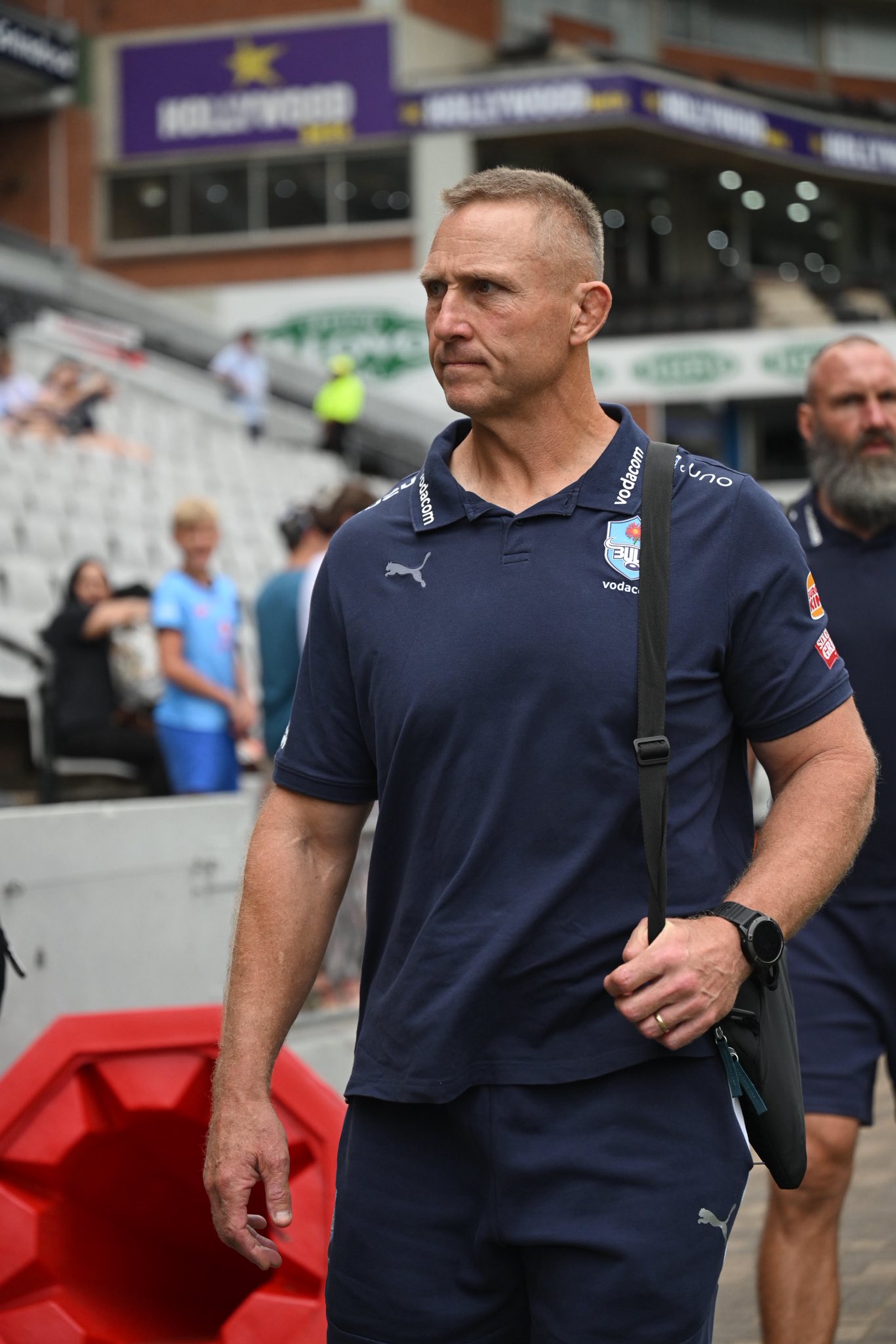
Eight changes to the starting pack. Wholesale rotation across the forward unit. Fresh legs, fresh combinations, and a very clear message, the Bulls aren’t picking and choosing between competitions this season. They want both, and Johan Ackermann is rotating ruthlessly to make it happen.
Also read: Is this the year South African sides finally conquer Europe?
The Pretoria giants return to United Rugby Championship action this weekend after their stunning 56-20 demolition of Stade Français in the Champions Cup last Saturday. Now it’s Ulster’s turn to face the Bulls at the Loftus Versfeld fortress, and they’ll be confronting a completely rejigged pack that screams squad depth and strategic ambition.
Also read: Bulls make explosive start to Champions Cup campaign
Captain Marcell Coetzee returns to lead from the blindside flank, displacing Elrigh Louw who shifts to number eight. The entire front row gets an overhaul. The second row is unrecognisable from last week. The only constant? The backline, which remains untouched after carving Stade Français to pieces.
This is the Bulls’ blueprint for conquering Europe and dominating domestically, trust the depth, manage the workload, and back every player in the squad to deliver when called upon. It’s ambitious. It’s risky. And based on their blistering start to the season, it just might work.
The two-front war
Ackermann has made no secret of his intentions. The Bulls aren’t treating the Champions Cup as a nice bonus or a developmental exercise. They’re going for glory in Europe whilst maintaining their URC challenge, and the coach believes proving South African sides can mix it with Europe’s elite is non-negotiable.
“It would be massive for South Africa if any of the South African teams can do well in the Champions Cup,” Ackermann told KickOff.com. “But the reality is that a lot of things must work out for you. You are playing the best teams in the world, away from home. You have to win your home games, and you also have to keep performing in the other competition.”
You can’t field your best XV every week across two competitions without bodies breaking down. Hence the rotation, the strategic squad management, and the faith in depth.
“Then there were different challenges from different areas,” Ackermann noted. “We knew the Springbok squad would not be available until December, and we had a list of injuries. There are a few things that must fall into place, but ultimately I want to do well in both competitions. If we can win both, even better.”
That’s the dream. Whether it’s realistic is another question entirely.
The budget reality
Ackermann acknowledged what everyone in South African rugby knows, the financial playing field isn’t level. French clubs boast budgets that dwarf what South African franchises can spend. Squad sizes are larger in Europe. Salaries are higher. Resources are deeper.
“South African teams do not have the budgets or rosters that French clubs enjoy, for example,”
Then there’s the Springbok factor. The Bulls will be without their international stars for the November Nations Championship fixtures, and SA Rugby’s mandatory rest periods mean careful management of those players once they return. It’s a juggling act European clubs don’t face to the same degree.
The pack overhaul
The front row sees a complete transformation. Gerhard Steenekamp, Johan Grobbelaar and Francois Klopper all step up from last week’s bench, replacing Alu Tshakweni, Jan-Hendrik Wessels and Khutha Mchunu.
The second row is equally unrecognisable. Ruan Vermaak and Reinhardt Ludwig get the nod, with Cobus Wiese and JF van Heerden not even making the match-day 23. That’s a statement about depth and competition for places.
The loose forward reshuffle is perhaps most intriguing. Marcell Coetzee returns to captain from blindside flank, his leadership and experience crucial against a physical Ulster pack. Hanro Liebenberg comes in at openside, bringing his breakdown expertise and work rate.
Elrigh Louw, who started at seven against Stade Français, shifts to number eight, pushing last week’s starting No. 8 Cameron Hanekom to the bench. It’s musical chairs in the backrow, but all the players involved are quality operators capable of delivering at this level.
Backline continuity
Whilst the pack gets torn up and rebuilt, the backline enjoys welcome continuity. Paul de Wet and Handre Pollard continue their halfback partnership, with Pollard’s tactical kicking and game management crucial against Irish opposition.
The midfield pairing of Harold Vorster and Sango Xamlashe is retained after impressing against Stade Français, whilst the back three of Cheswill Jooste, Sebastian de Klerk and Luan Giliomee all keep their places.
That stability is vital. Whilst the forwards lay the platform, the backs need continuity to build understanding and attacking fluency. Keeping combinations intact allows them to develop chemistry that can unlock defences.
The bench firepower
The replacements offer serious impact potential. Marco van Staden, Cameron Hanekom and Cobus Wiese are all starting-quality operators who can shift momentum when introduced. Zak Burger provides scrumhalf cover, whilst Curwin Bosch adds utility back options alongside Dylan Maart.
Notably absent from the match-day 23 are Embrose Papier, Stravino Jacobs, Willie le Roux and Jaco Grobbelaar, all players who featured last week.
The Loftus advantage
Ulster arrive at one of world rugby’s most intimidating fortresses. Loftus Versfeld, sitting at 1,214 metres above sea level, has broken visiting teams for decades. The altitude saps energy, the crowd is ferociously partisan, and the Bulls know exactly how to exploit home advantage.
If the reshuffled pack can match Ulster physically in the first hour, the altitude and fresh legs off the bench should prove decisive in the final quarter. That’s the blueprint: compete hard early, then finish strong when visitors are gasping for oxygen.