

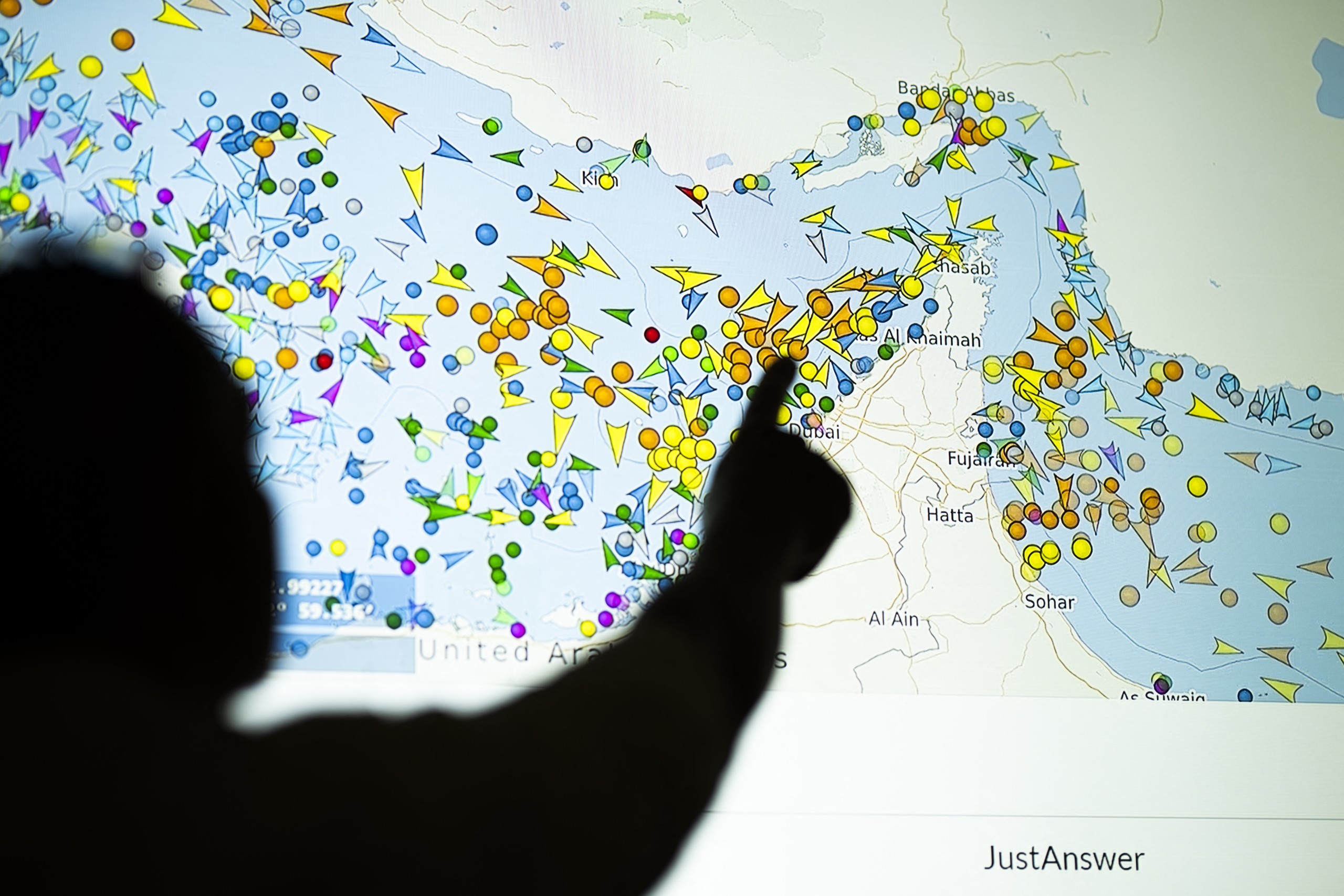
LONDON, United Kingdom — Britain announced on Saturday that it was pre-positioning a warship in the Middle East ahead of a multinational mission to secure the Strait of Hormuz, while Iran cast doubt on American diplomatic sincerity following fresh naval confrontations in the Gulf.
“The pre-positioning of HMS Dragon is part of prudent planning that will ensure that the UK is ready, as part of a multinational coalition jointly led by the UK and France, to secure the strait, when conditions allow,” a Ministry of Defence spokesperson told AFP.
The ministry said the deployment would strengthen confidence among commercial shipping operators and support mine-clearance efforts once hostilities end.
Britain and France said last month that military plans to secure the strait were coming together and would succeed in restoring trade flows through the vital passage.
At a two-day meeting in London in April, involving more than 44 countries, military planners discussed the practicalities of the multinational mission. Some 40 countries are understood to have agreed to participate.
Iran stalls on US peace proposal
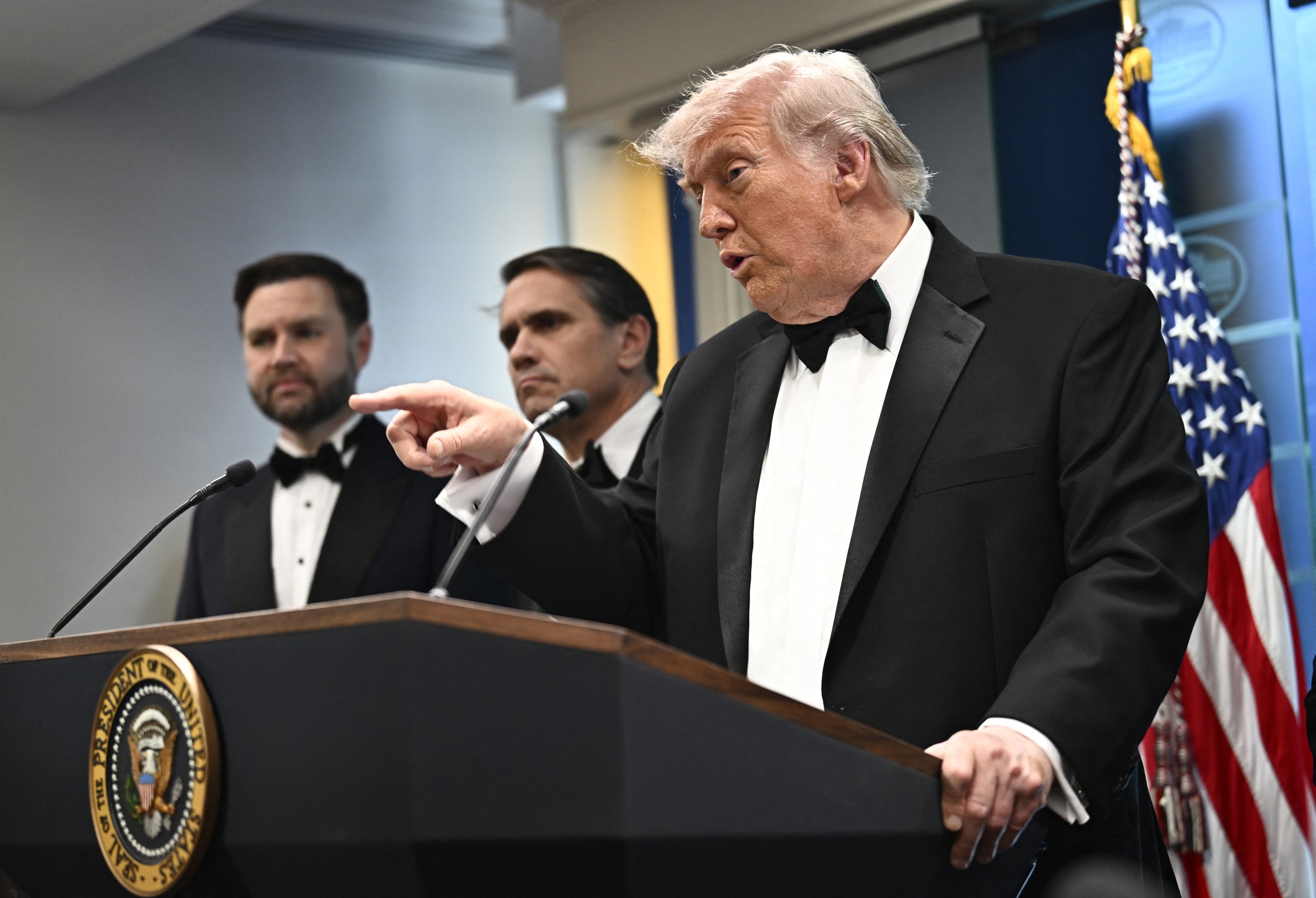
Meanwhile, Tehran kept Washington waiting for its response to the latest US peace proposal. President Donald Trump had said on Friday that he expected Iran’s answer — to a deal that would extend a fragile truce and launch peace talks — “supposedly tonight”. But if Iran did send Pakistani mediators a response, there was no public sign of it.
Tehran’s Foreign Minister Abbas Araghchi called into question the reliability of US leadership in a call with his Turkish counterpart. “The recent escalation of tensions by American forces in the Persian Gulf and their numerous actions in violating the ceasefire have added to suspicions about the motivation and seriousness of the American side in the path of diplomacy,” he said, according to an Iranian account published by the ISNA news agency.
Iran’s foreign ministry spokesman Esmaeil Baqaei said on Friday that Washington’s proposal was still “under review”. Washington has sent the proposal via Pakistani mediators, seeking to extend the truce to allow for talks on a final settlement of the conflict, launched 10 weeks ago with US-Israeli strikes on Iran.
US Secretary of State Marco Rubio reiterated on Friday that it was “unacceptable” for Tehran to control the key oil route.
Qatar’s prime minister, Sheikh Mohammed bin Abdulrahman Al Thani, met with US Vice President JD Vance in Washington on Friday and discussed the Pakistani-led efforts to broker a permanent peace. Iran has attacked sites in Qatar during the war, pointing to the wealthy emirate’s role as host of a major US air base.
Tanker incidents deepen mistrust
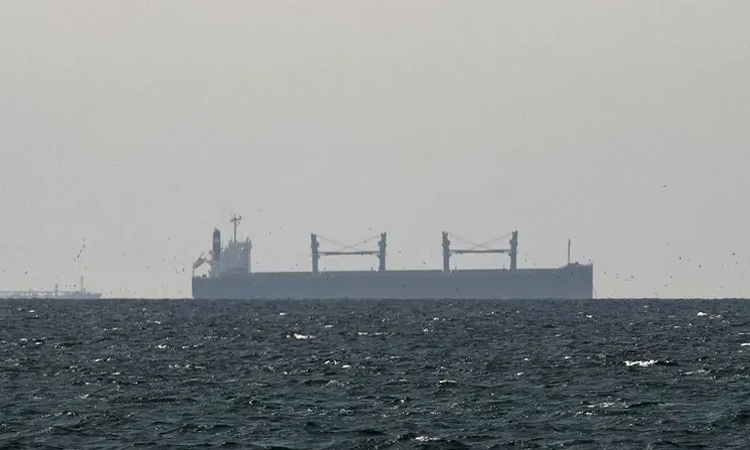
On Friday, a US fighter jet fired on and disabled two Iranian-flagged tankers that Washington accused of challenging its naval blockade of Iran’s ports. An Iranian military official told local media that the country’s navy had responded “to American terrorism with strikes” and that “the clashes have now ceased”.
The incident followed a flare-up overnight from Thursday to Friday in the Strait of Hormuz, a vital international sea lane that Iran is seeking to control in order to extract tolls from foreign vessels and wield economic leverage over the United States and its allies.
ALSO READ: Markets rattled as US, Iran clash in Hormuz
Before the war began on February 28, about a fifth of the world’s oil was shipped through the strait. Iran has largely closed it since, throwing global markets into turmoil and driving up oil prices. The US later imposed its own blockade of Iranian ports in response. On Sunday, Trump announced a US naval operation designed to reopen the strait to commercial shipping, only to abandon it on Tuesday in favour of a return to negotiations.
Saudi sources told AFP that the kingdom had refused permission for the US military to use its bases and airspace for the Hormuz operation, with one source saying Riyadh “felt it would just escalate the situation and would not work”.
Oil slick off Iran’s coast
Satellite images have revealed an oil slick spreading off the coast of Iran’s Kharg Island, a key oil export terminal. The apparent spill, off the island’s west coast, appeared to cover more than 20 square miles (52 square kilometres), according to global monitor Orbital EOS.
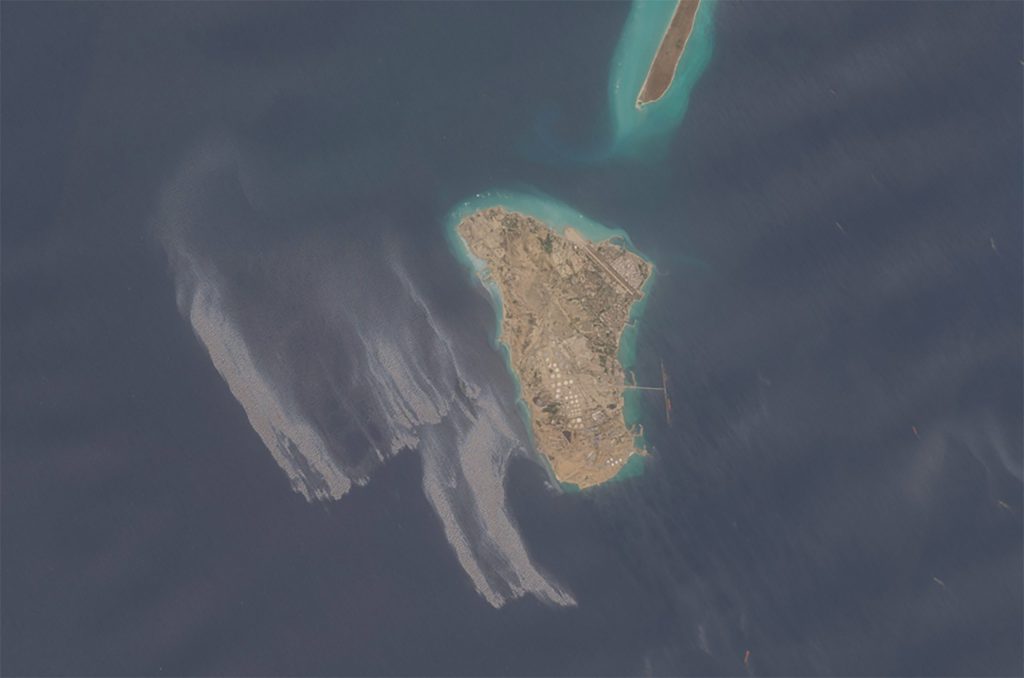
A UK-based non-governmental organisation, the Conflict and Environment Observatory, told AFP that by Saturday the slick was “much reduced” and may have been caused by leaking oil infrastructure. Kharg Island lies in the Gulf, far north of the narrow Strait of Hormuz, and is at the heart of Iran’s oil export industry — a lynchpin of its battered economy.
Lebanon ceasefire under strain
A parallel ceasefire in Lebanon is also under strain.
Lebanese state media reported three strikes south of Beirut on Saturday, despite a three-week-old ceasefire between Israel and the Iran-backed Hezbollah militant group. An AFP correspondent saw two stricken cars and emergency workers along a highway linking Beirut with the country’s south, 20 kilometres (12 miles) from the capital.
The strikes come as Lebanon and Israel, officially at war since 1948, are to hold direct negotiations in Washington next week — talks that Hezbollah vehemently opposes.


You must be logged in to post a comment.