RIO DE JANEIRO, Brazil – Eduardo Metzker (29) was riding his motorcycle in Rio de Janeiro when he was suddenly boxed in by two other bikes. One of the riders put a gun to his head and demanded his phone and passcode.
The software developer watched in horror as the robbers drained up to 80 000 reais (R250 000) from his banking apps, mostly in credit, while he scrambled to block his accounts.
“You know you go out every day, earning a living, saving money, building a life and then someone sticks a gun in your face and takes everything you have. My credit rating was ruined,” Metzker told AFP.
Mobile phone crime, which can involve violence, financial fraud and even murder, has become a potent symbol of the security crisis gripping Brazilian cities like Rio de Janeiro ahead of a first-round presidential election on Sunday.
“The mobile phone appears to encapsulate a growing panic over urban violence,” the Brazilian Public Security Forum (FBSP) said in its annual report.
An FBSP survey published in May estimated that around 14 million people had been victims of the crime in the 12 previous months.
But only about 830 000 mobile phones were reported stolen or robbed in 2025, according to the annual report, which draws on police data.
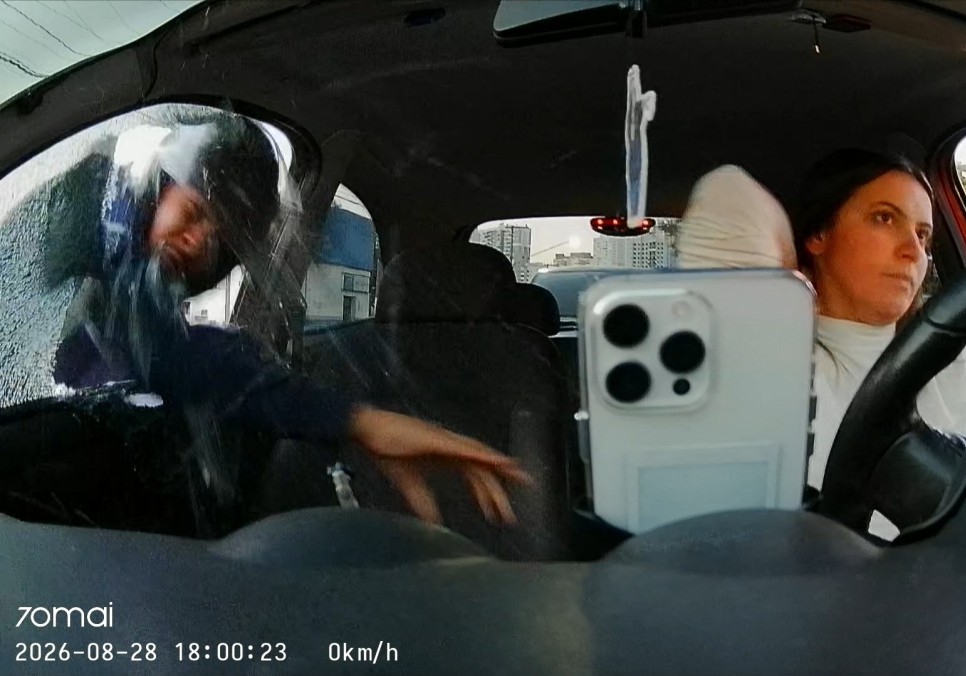
“We walk around completely afraid, constantly on alert,” said Caroline Lo Bianco (36), a dentist who had her phone ripped from her hands through the window of an Uber when she was seven months pregnant.
ALSO READ: Police nabs ‘stupid’ hijackers after tracing victim’s phone
Spare phones and political promises
Ahead of a closely contested election, both leftist President Luiz Inácio Lula da Silva and his right-wing rival Flavio Bolsonaro have vowed to crack down on the crime.
Bolsonaro promises to quadruple jail sentences for mobile phone crimes, while Lula has said “our goal is zero phone theft.”
Polls show security is the major concern of Brazilians this election, but Metzker said he does not believe any candidate will make a difference.
“Honestly, they can say whatever they want, I have no faith in them.”
Fear of mobile phone crime has pushed an estimated 30 per cent of Brazilians – about 65 million people – to keep a cheap second phone, nicknamed a “robber’s phone,” according to the FBSP.
Metzker explained that after the robbery, he now carries one phone that he takes out on the street, and one that he keeps at home with all his banking applications on it.
Leonardo Silva, a coordinator for state and organised crime issues at the FBSP, said that mobile phone crime was growing more sophisticated.
Criminal “interest has shifted away from the phone itself, its physical value, to the data contained in those devices,” he told AFP.
After being robbed, Lo Bianco blocked her bank cards, but the thieves managed to transfer almost $700 from a digital bank account.
They also bought an Xbox on her Amazon app, which she managed to block before delivery.
The thieves even used her food delivery applications to send beer, meat and McDonald’s to different addresses across Rio de Janeiro.
ALSO READ: Mexico bans cell phones in schools so kids can focus on learning
Organised criminal networks
Luiz Fernando Bugiga, a prosecutor with the Special Action Group for Combating Organised Crime (GAECO), said a major police operation in São Paulo this month revealed an organised scheme behind mobile phone crime with four distinct criminal cells.
Those who steal the phones hand them off to a specialised cell whose members “initiate bank transfers and data theft.”
A third group make technical modifications to “legitimise” the phone, allowing it to re-enter the market. The final group is charged with selling parts and devices.
“Mobile phone theft creates multiple forms of loss for the victim and therefore multiple sources of profit for the criminal,” he said.
For many, just replacing the phone is a major financial blow.
Joel da Silva, 42, who works as a doorman in Ipanema, “went a month without a phone” before being able to buy one over four instalments, after being robbed at gunpoint.
He told AFP that in his seven months at his job, he has witnessed four phone robberies from the building where he works.
Lo Bianco, who is originally from the capital Brasília and was a victim of an armed carjacking in Rio a few years ago, dreams of leaving.
“I tell my husband that if he asked me to move to the Amazon, my bags would be packed the next day.”