
Across South Africa, municipalities’ roads are crumbling, wastewater systems are failing, refuse is piling up, and infrastructure projects sit abandoned midway through completion.
What is happening to our municipalities? The instinctive answer has long been a shortage of skills. But that answer is no longer credible and continuing to rely on it is dangerously misleading.
Our universities produce accountants, engineers, public administrators, planners, legal professionals, and technologists every year. Municipalities continue to cite skills shortages as the reason for their collapse, but we must be honest about what the real problem is: South Africa does not have a skills crisis. It has an ethical leadership crisis.
A recent briefing to the Standing Committee on Public Accounts (SCOPA) by the Auditor-General of South Africa (AGSA) once again painted a deeply troubling picture of governance at local municipalities. The findings revealed an absence of qualified people and an absence of accountability, weak financial controls, irregular expenditure, stalled infrastructure projects, and severe governance instability.
Too often, technically capable officials are trapped within environments defined by political turbulence, acting appointments, absent consequence management, and institutional instability. Leadership positions remain vacant for extended periods. Institutional memory is continuously disrupted. Political considerations routinely override merit and competence. In such environments, even the most talented professionals cannot perform their functions effectively.
A capable state is not built by producing graduates alone. It is built by creating institutions where competence is protected, ethical leadership is valued, and professionals are empowered to serve without fear, political favour, or undue interference. We must speak plainly about professionalising the public service, insulating institutions from political capture, enforcing genuine consequence management, and restoring ethical leadership.
Without capable institutions, even the best graduates will struggle to succeed.
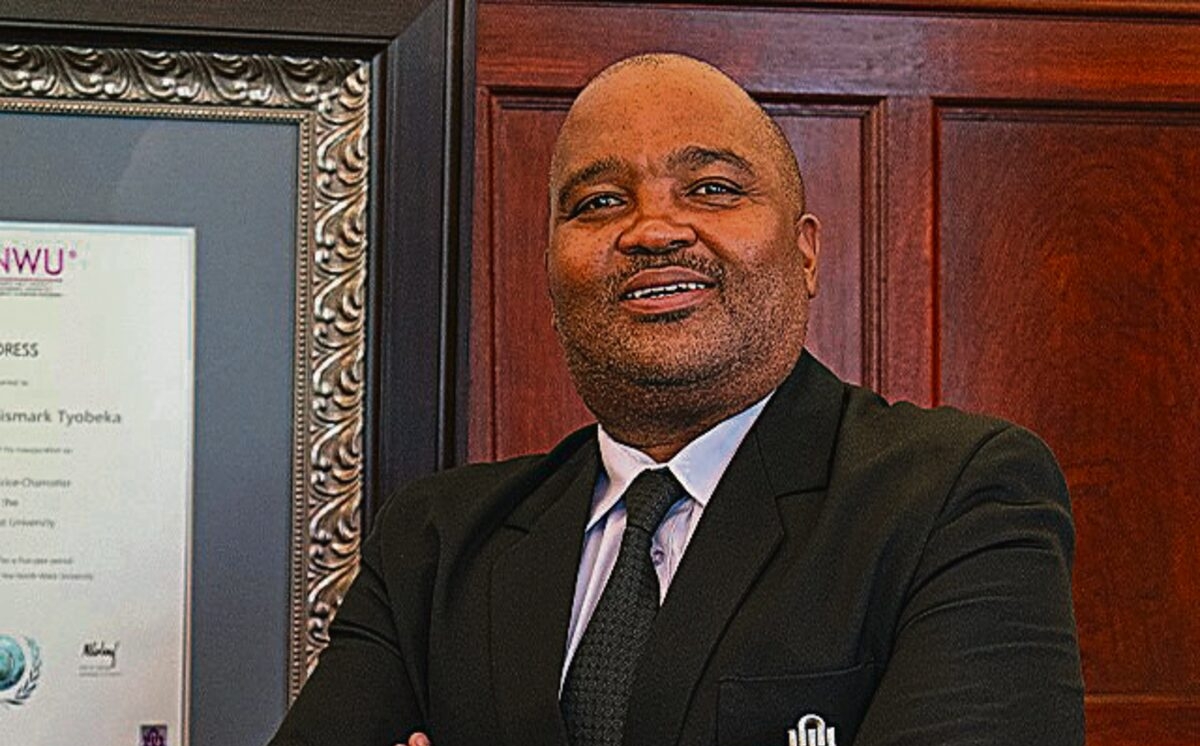
■ Tyobeka is the principal and vice-chancellor of the North-West University.