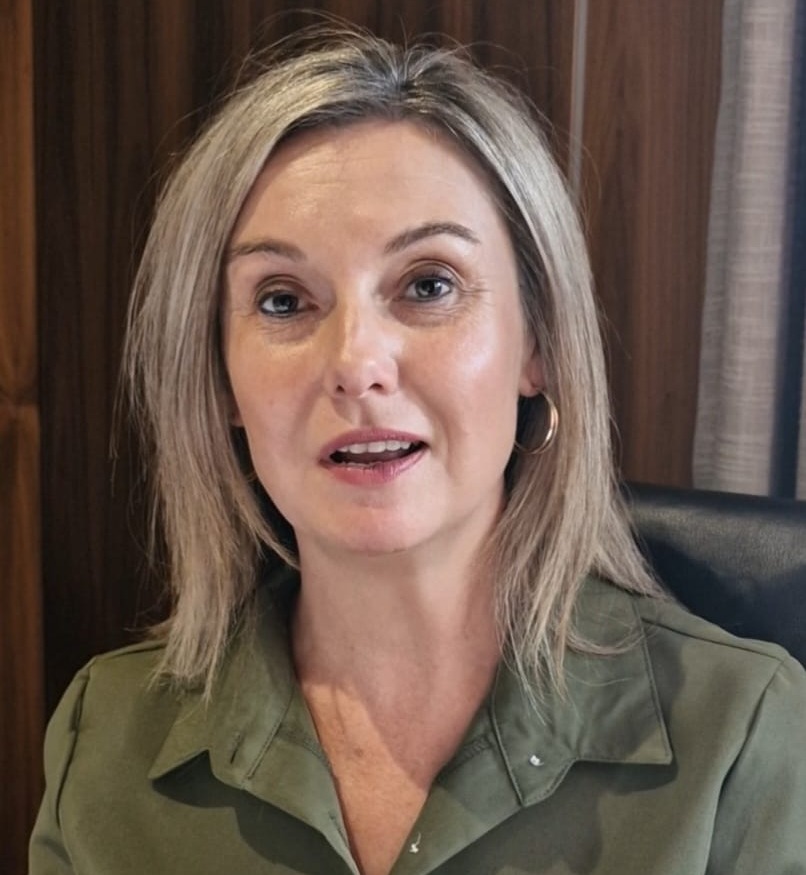


BLOEMFONTEIN – The Free State’s allocated budget of R47.9 billion for 2026-’27 is presented against a backdrop of subdued economic growth, fiscal constraint, and mounting service delivery pressures. This is according to Dr. Celeste Campher, senior lecturer in the Department of Economics and Finance at the University of the Free State (UFS).
The budget comprises R9.8 billion in conditional grants, R1.2 billion in own revenue. A further R36.7 billion is from the equitable share. Moses Makume, MEC for Finance, Tourism and Economic Development, presented the budget on Tuesday 17 March in Bloemfontein.
“With national growth projected to remain below 2% in the medium term, the province’s fiscal strategy reflects a careful balancing act between maintaining social stability and stimulating economic recovery. While the budget demonstrates a clear awareness of the province’s structural challenges, it ultimately reveals a tension between short-term relief and long-term transformation. However, reductions in the equitable share and inflationary pressures have forced the province into a process of reprioritisation rather than expansion, limiting its ability to pursue more ambitious developmental interventions,” said Campher.
Campher noted that the allocation of more than R7.3 billion to the Department of Public Works and Infrastructure over the Medium-Term Expenditure Framework (MTEF) reflects an ambitious infrastructure strategy as a key driver of economic growth and job creation.
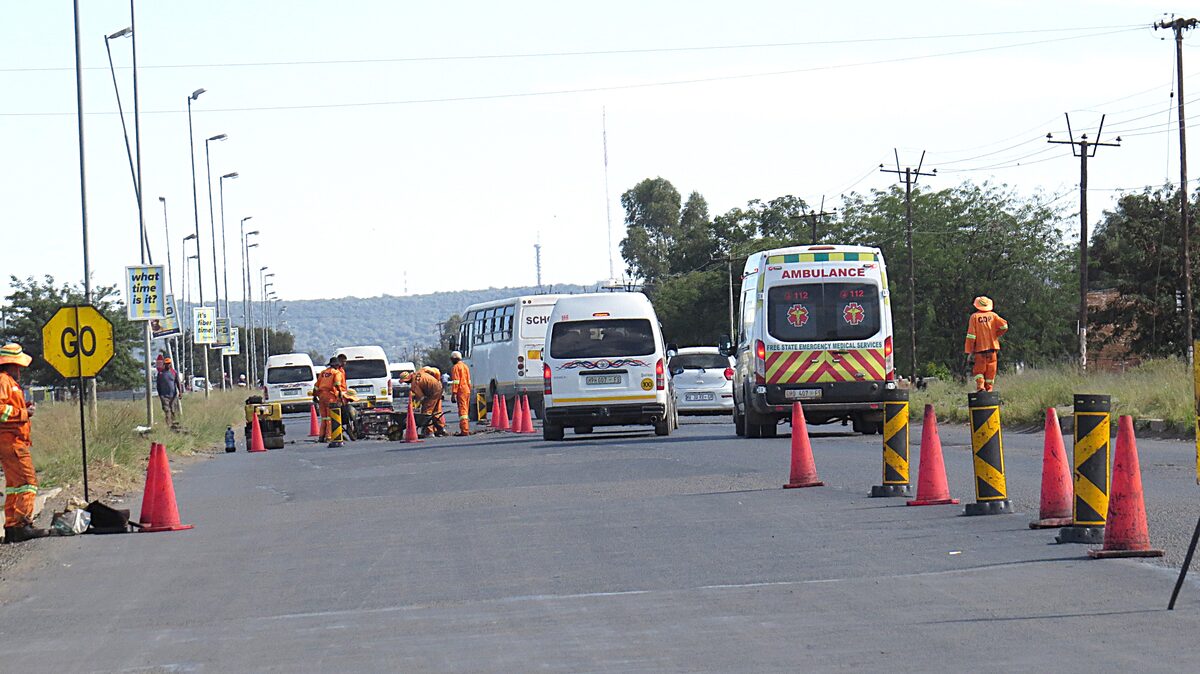
“However, much of this funding is directed toward maintenance, municipal services, and existing obligations, rather than new capital investment. Road infrastructure is central to agricultural productivity, rural access, and investment attraction, and its underfunding may have ripple effects across the economy,” said Campher.
“The allocation of over R3.3 billion over the MTEF, alongside priorities such as farmer support, veterinary services, and agricultural training, reflects a sound understanding of the sector’s importance. However, the sector faces immediate risks, most notably foot-and-mouth disease, which continues to threaten livestock production and rural livelihoods. While the budget acknowledges this challenge, it is less clear whether sufficient resources and coordinated interventions are in place to mitigate its impact effectively,” said Campher.
Campher has further stressed the budget’s significance as a central pillar to sustainable employment creation, to curb the province’s staggering 37.2% youth unemployment rate. The national youth unemployment rate reached 46.1% in Q1 last year.
“Programmes such as the Presidential Employment Stimulus and Expanded Public Works Programme provide immediate relief and income support, particularly in a low-growth environment.
“However, these interventions are inherently temporary and fiscally dependent. As a result, the province risks entrenching a cycle where public employment substitutes for, rather than complements, sustainable job creation,” said Campher.