
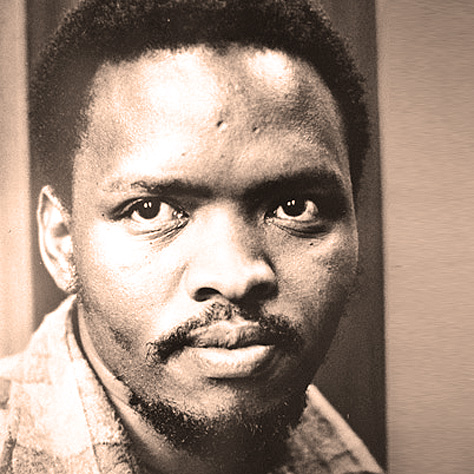
South African prosecutors announced on Wednesday that they will reopen the inquest into the death of prominent anti-apartheid activist Steve Biko, marking the latest development in a growing effort to reinvestigate apartheid-era crimes nearly three decades after the end of white minority rule.
The decision comes just two days before the 48th anniversary of Biko’s death on 12 September 1977, when the 30-year-old founder of South Africa’s Black Consciousness Movement died in police custody after being brutally beaten into a coma.
“The main goal of reopening the inquest is to lay before the court evidence that will enable the court to make a finding… as to whether the death was brought about by any act, or omission, which prima facie involves or amounts, to an offence on the part of any person,” the National Prosecuting Authority (NPA) stated in its announcement.
Biko’s death in a Pretoria prison cell sparked international outrage and transformed him into a global symbol of resistance against South Africa’s apartheid system, which systematically denied the country’s Black majority basic political and economic rights for nearly half a century.
LISTEN:
The original 1977 inquest accepted the police account that Biko sustained fatal head injuries when he struck his head against a cell wall, with no officers facing prosecution for his death. However, the case took a dramatic turn two decades later during South Africa’s Truth and Reconciliation Commission (TRC) hearings.
In 1997, former police officers implicated in Biko’s detention admitted to assaulting the activist during TRC proceedings designed to uncover atrocities committed during the apartheid era. Despite their confessions, the commission refused to grant the officers amnesty, ruling that they had lied in their testimony and failed to demonstrate a legitimate political motive for Biko’s killing.
The reopening of the Biko case represents one of several apartheid-era investigations that South African authorities have recently revived as the country continues to grapple with its violent past. Legal experts say the move reflects growing pressure from families of victims and civil society organizations who argue that many perpetrators of apartheid-era atrocities have escaped accountability.
ALSO READ: South Africa re-opens inquiry into deaths of apartheid-era activists
The case has maintained its cultural significance far beyond South Africa’s borders, inspiring British musician Peter Gabriel’s powerful 1980 anthem “Biko” and serving as the foundation for director Richard Attenborough’s acclaimed 1987 film “Cry Freedom,” which brought international attention to the anti-apartheid struggle.
The reinvestigation will likely face significant challenges, including the advanced age of potential witnesses and the passage of nearly five decades since Biko’s death. However, legal observers say the case remains symbolically important for South Africa’s ongoing efforts to achieve transitional justice and closure for apartheid’s victims.
The inquest is scheduled to commence on September 12, 2025, coinciding with the anniversary of Biko’s death.
ALSO READ: Former policeman sentenced to 15 years for 1987 anti-apartheid activist murder


