The new moon spring tide, which peaks on Saturday 20 December, will significantly affect tidal conditions over the weekend.
The National Sea Rescue Institute (NSRI) urges beach-goers to exercise caution during this natural phenomenon when the sun, moon, and Earth align during the new moon phase, amplifying the gravitational pull on the Earth’s oceans.
The effects of this new moon spring tide will be felt over this weekend and for the next few days, and the NSRI is asking beach visitors, rock and surf anglers, and people who intend to walk on coastal paths to be aware of the stronger tidal variation typical of spring tides.
What to expect during a spring tide:
1. Higher high tides: Water levels will rise significantly, reaching further up the shoreline.
2. Lower low tides: More of the seabed will be exposed as water levels dip below average.
3. Increased tidal range: The difference between high and low tide levels will be at its maximum.
Spring tides often result in stronger tidal currents, particularly in narrow inlets.
This natural phenomenon can present potential dangers:
• Rip currents: Stronger tidal flows intensify rip currents at beaches, posing a risk to swimmers.
• Rip tides: Stronger tidal flows of water, especially in places like the Knysna Heads.
• Coastal hiking hazards: Some hiking trails near the coast may become inaccessible or hazardous during high tide in the afternoon.
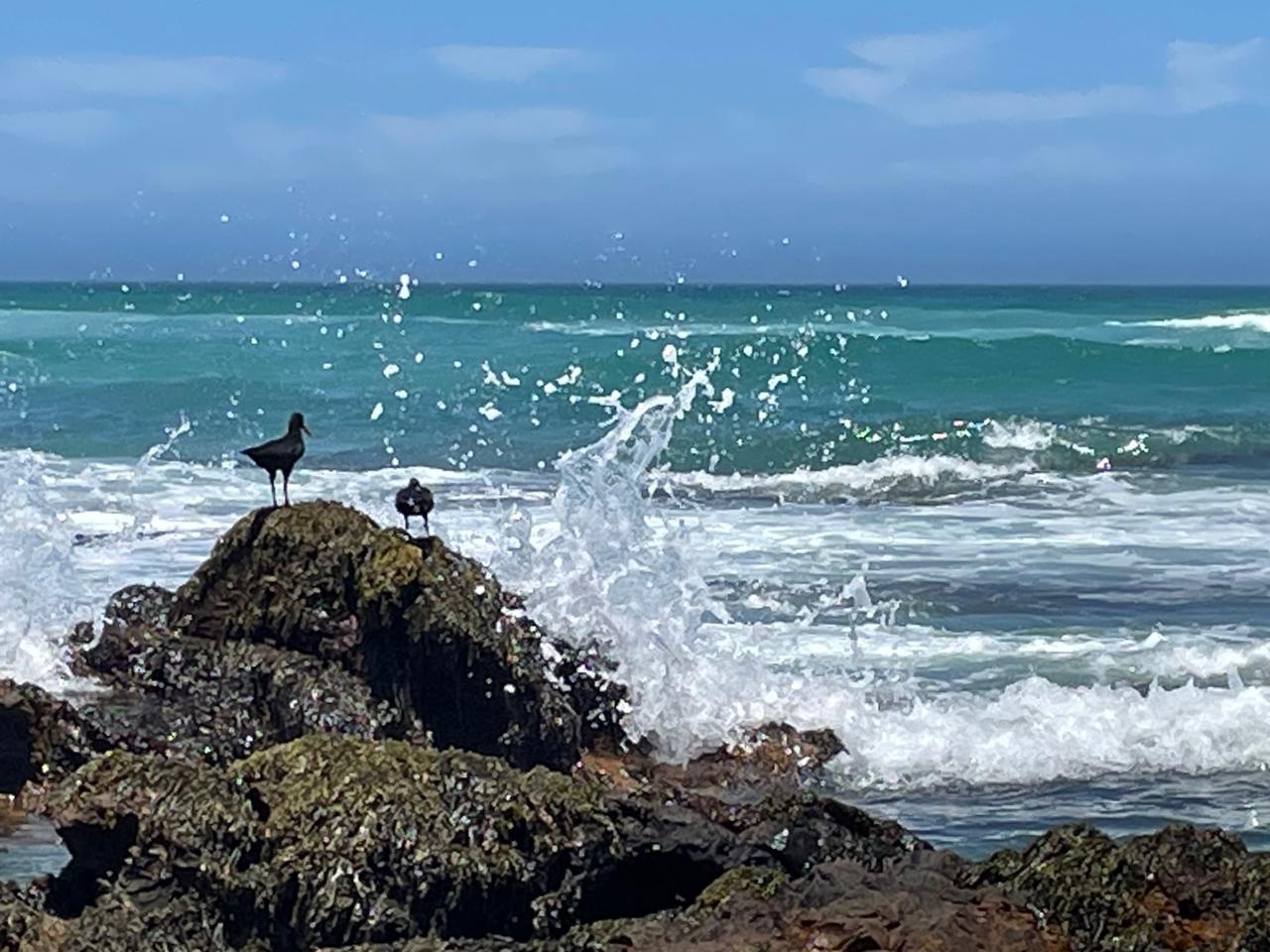
• Fishing precautions: Shoreline anglers should exercise extra caution, as higher waves may reach beyond usual safe zones.
To ensure your safety while enjoying coastal activities, the NSRI recommends the following precautions:
Beach and swimming safety
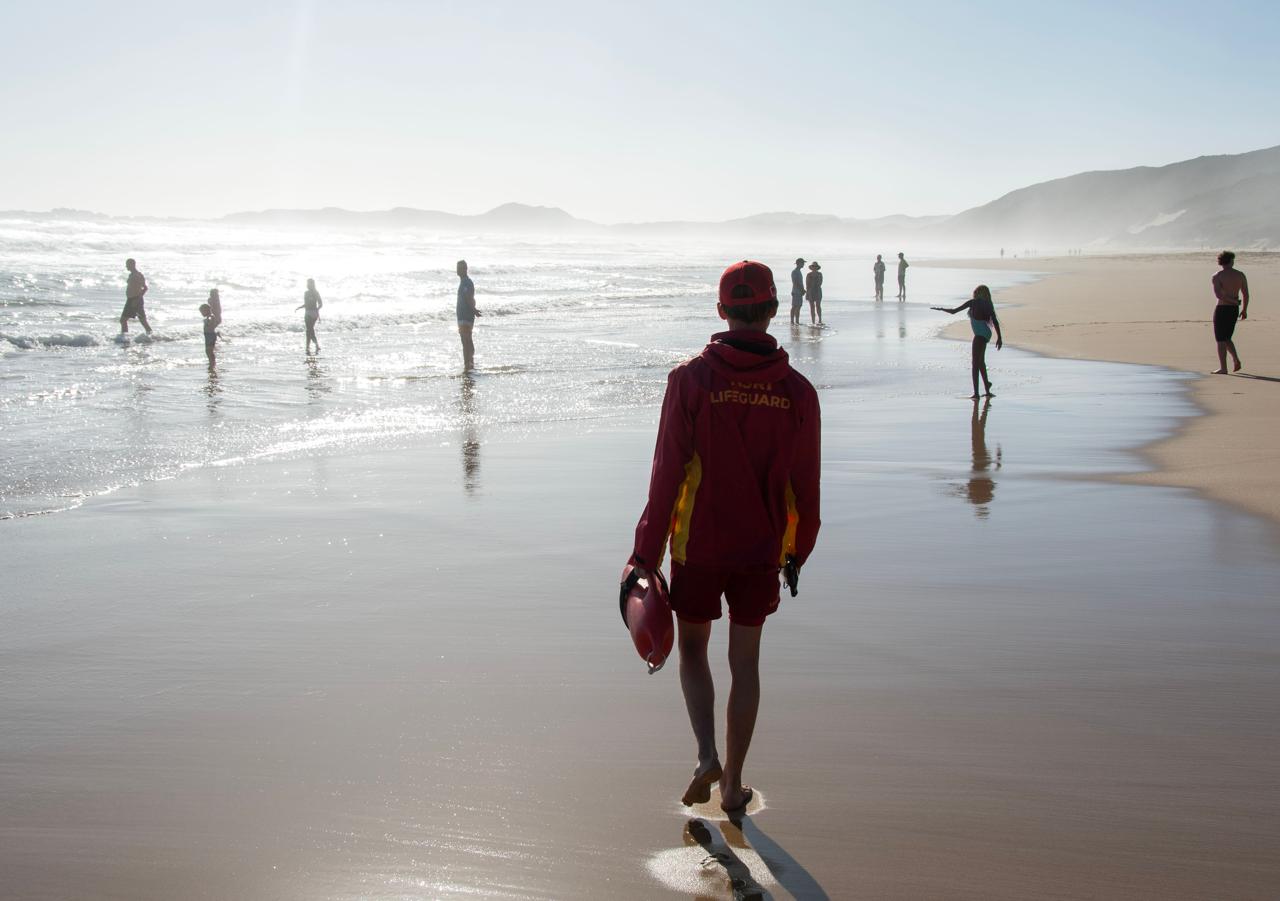
• Swim at lifeguard-protected beaches: To avoid rip currents, swim between lifeguard flags.
• Be aware of rip currents: Rip currents are particularly strong during spring tides, especially during outgoing tides in the late afternoon.
• Stay informed: Check daily weather forecasts from the South African Weather Service (SAWS) and consult tide timetables.
Coastal activities
• Hiking: Plan your hikes carefully, avoiding trails that may be cut off during high tide.
• Fishing: Shoreline anglers should maintain a safe distance from the water. When fishing from rocks or cliffs, they should wear a life jacket and carry flotation equipment (for example, an empty 5L water container with a rope attached) that can be thrown to someone in the water.
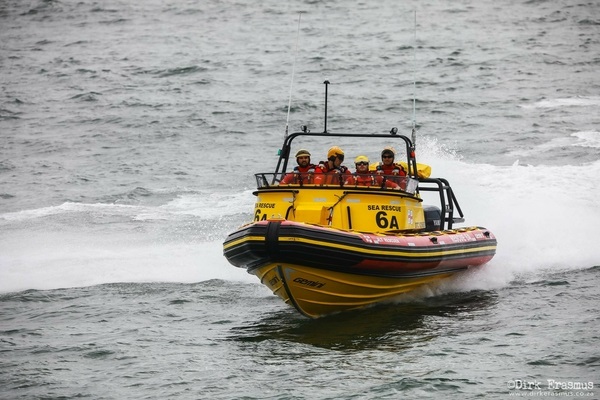
• Boating and paddling: Always wear life jackets, carry essential safety equipment, and keep your cell phone fully charged in a waterproof pouch. The free NSRI SafeTrx smartphone app allows you to log your trip and call the NSRI for help quickly and easily.
Additional precautions
• Time your activities: Be cautious during tide changes, especially when high tide recedes to low tide for beach visitors (in the late afternoon) and on the incoming tide for rock anglers.
• Stay informed: Follow local safety alerts and warnings issued by authorities.
For further updates and emergency assistance, visit nsri.org.za
ALSO READ: Northern Cape’s McDougall’s Bay celebrates Blue Flag Pilot status