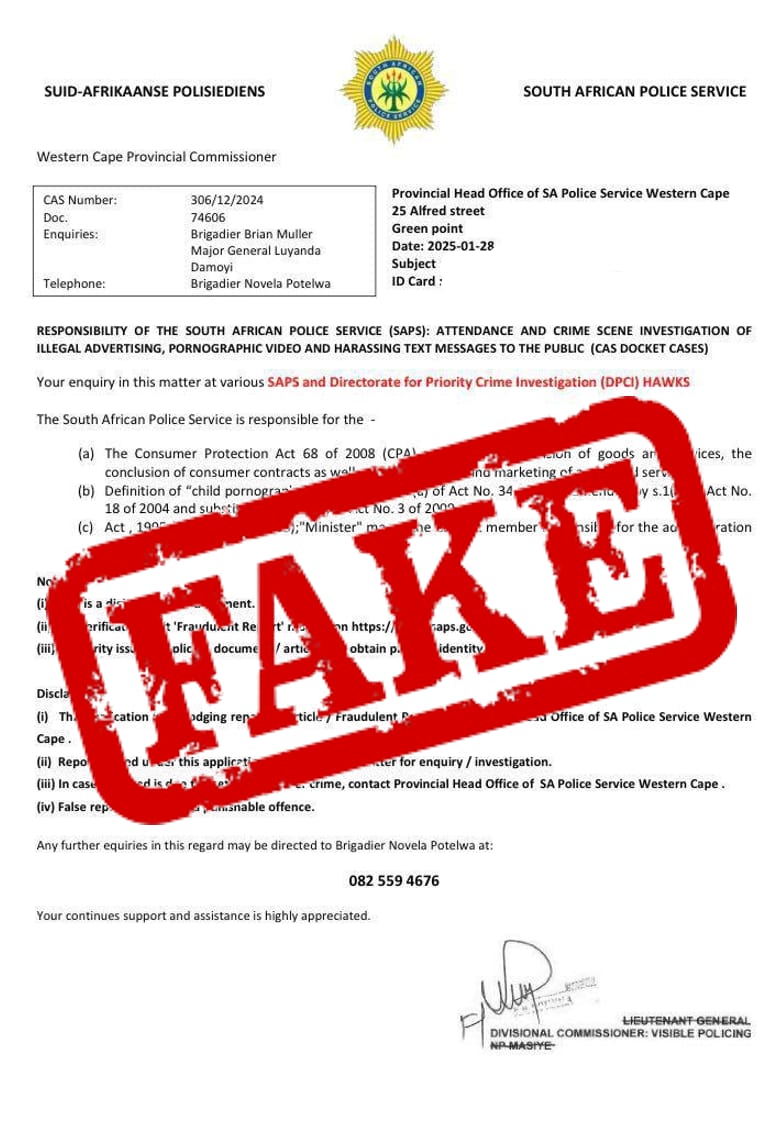
South African banks are warning their customers to watch out for scammers as the 2025 tax season gets into full swing. These fraudsters are getting smarter and more aggressive in their attempts to steal your money and personal information.
Tax season kicked off on 7 July when auto-assessments started going out to the public. Now scammers are working overtime to trick unsuspecting taxpayers, especially those expecting refunds.
Scammers are sending fake SMS messages that look like they’re from SARS, claiming your tax refund is being audited. These messages include dodgy links that take you to fake websites designed to steal your personal details, banking information, and eFiling login credentials.
SARS Commissioner Edward Kieswetter has on numerous occasions stated that SARS will never send you links through SMS or email asking for your personal information. If you get a message like this, it’s definitely a scam.
Standard Bank’s fraud experts say criminals are timing their attacks perfectly. They know people are busy with their taxes and expecting money back, so they send fake messages about rebates, penalties, or investigations. They try to scare you into acting quickly by making everything sound urgent.
Nedbank is also warning its customers about fake letters, emails, and SMS messages that pretend to be from SARS. These scammers ask you to pay money into fake bank accounts or click on dangerous links. The public is again warned that SARS will never supply bank account numbers in payment letters.
This year’s scammers are pulling out all the stops. They’re using WhatsApp, phone calls, emails, and text messages to reach potential victims. Some of the most common tricks include fake audit notices, urgent payment demands, and messages saying you’re owed money you didn’t know about.
SARS has beefed up security with things like two-factor authentication and special PINs for risky transactions. But they’re still warning people not to share passwords with anyone, not even family members or tax advisers.
The golden rule is simple – don’t click on links in messages you weren’t expecting. If you get anything that claims to be from SARS, check it out through the official SARS website, their mobile app, or their online system.
Be extra careful of any message that tries to rush you into doing something. Real SARS communications follow proper procedures and never ask for sensitive information through informal channels like SMS or email.
South Africa’s biggest banks, SARS, and other financial institutions are sharing information to stay one step ahead of the scammers. They’re tracking new scam patterns and warning customers as quickly as possible.
If you get a suspicious message, report it straight away and only use official channels for anything tax-related.
As tax season continues until October, these scammers aren’t going anywhere. They know this is prime time to catch people off guard. The best defence is staying alert and remembering that if something seems too good to be true or too urgent to be real, it probably is.
Don’t let the scammers ruin your tax season. When in doubt, go directly to the official SARS website or call them directly. It’s better to be safe than sorry when it comes to your money and personal information.