

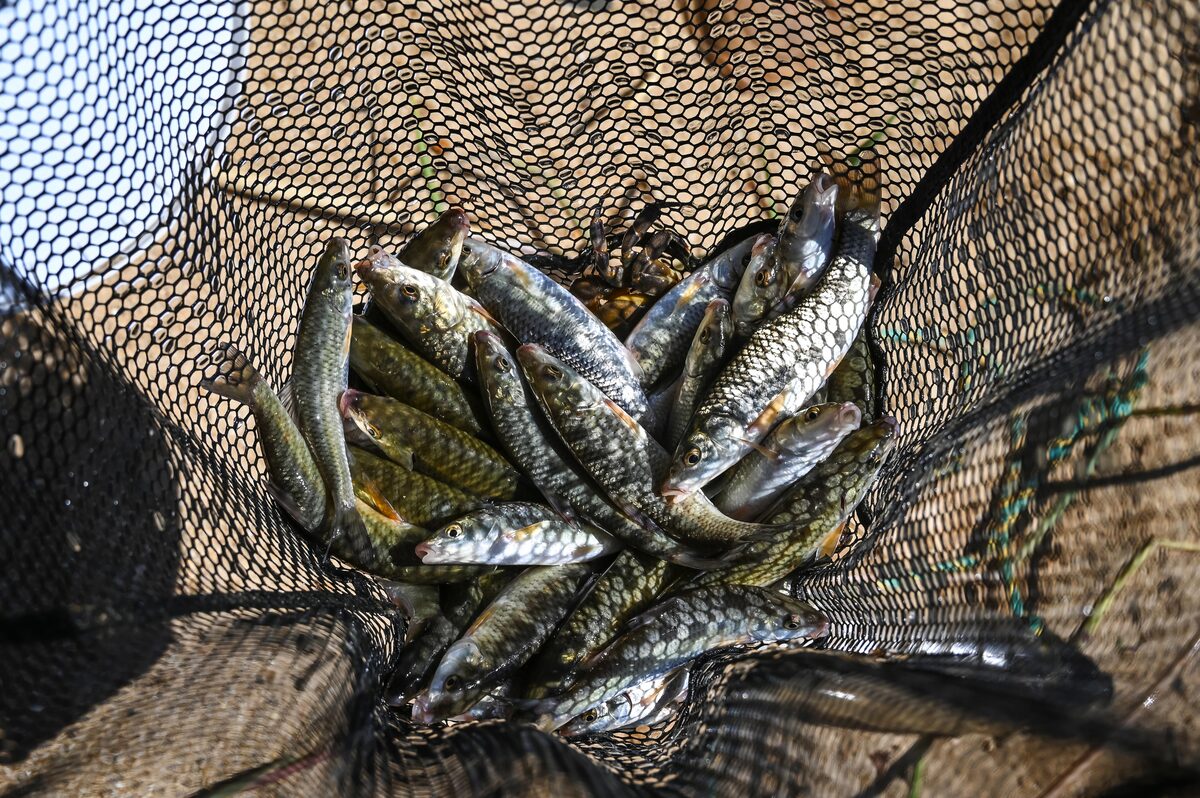
In a significant boost for freshwater conservation in the Western Cape, hundreds of endangered Berg-Breede River whitefish (Witvis) have been reintroduced into the Berg River, marking a major milestone in efforts to restore indigenous fish populations.
The release, which took place on a bright summer morning in February 2026, saw silver flashes of witvis slipping back into waters where the species had long since disappeared. Many of the fish originated from Babylonstoren’s Bloekombos Dam.
For decades, indigenous fish in the Berg River system have declined due to invasive species, habitat degradation and poor water quality. The Witvis (Cheilobarbus capensis) was particularly affected, disappearing from stretches of the river between Franschhoek and Paarl.
Now, through a collaborative effort involving conservation organisations, scientists, government bodies and private landowners, the species is making a return.
Partnership drives restoration
Babylonstoren has played a central role in the initiative, working alongside the Freshwater Research Centre, the Fynbos Fish Trust, CapeNature and independent conservation partners.
Key contributors from the estate include Dr. Ernst van Jaarsveld, Cornell Beukes and Arné Stander who have supported the project over several years.
Babylonstoren provides accommodation for researchers and field teams collecting fish from dams in Slanghoek, Worcester and surrounding areas. It has also established three carefully managed dams, free of alien fish species, to serve as safe nursery sites where witvis can breed.
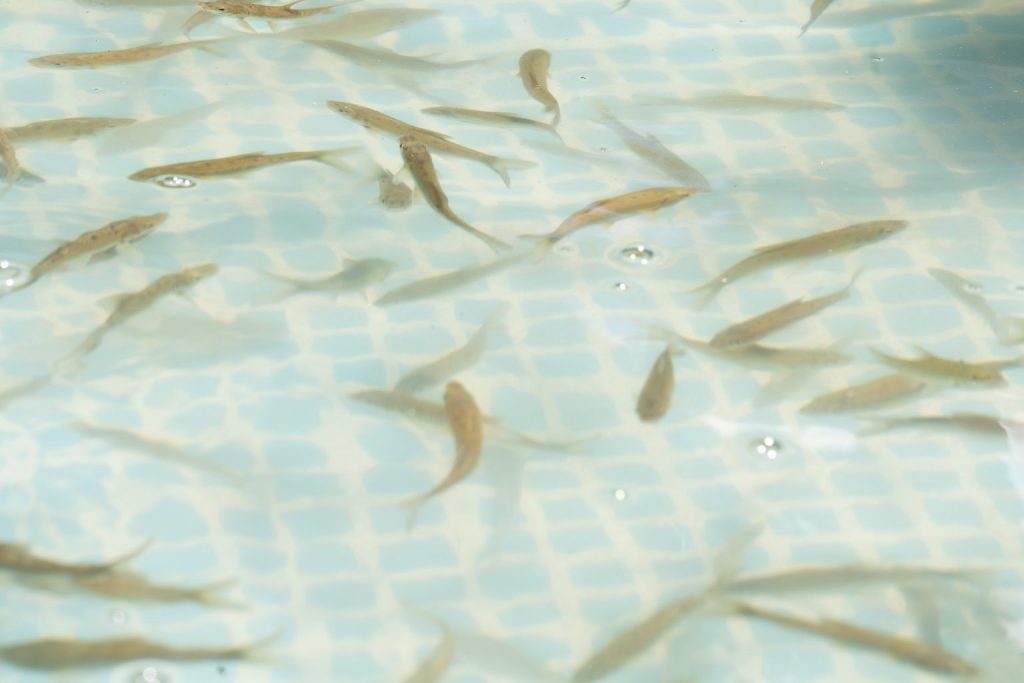
With permits secured from CapeNature, Babylonstoren has introduced indigenous species into its water bodies. Visitors to the estate can now observe Cape kurper, Berg River redfin and Cape galaxias in an indigenous pond near the hotel reception.
Careful reintroduction strategy
Rebuilding wild populations requires a long-term, carefully managed approach. Fish are first bred in secure, alien-free dams before juveniles larger than 20cm which is less vulnerable to predation by invasive bass are released into suitable river pools.
Their survival, growth and reproduction are then closely monitored.
ALSO READ: Conservationists reintroduce endangered Witvis into Berg River
A major milestone was achieved in 2025, when 1 488 witvis were released into the Berg River for the first time in decades, which Paarl Post reported on.
On 13 March 2025 researchers from the Freshwater Research Centre and representatives of the Ford Wildlife Association administered the release of over a 100 tagged Witvis into the Berg River at the Berg River Resort outside of Paarl.
The tagged fish will be monitored annually by the Freshwater Research Centre, specifically through its Bringing Back the Witvis programme, which was established to reintroduce the species into the Berg River, where it is extinct, and to support its declining population in the Breede River, Paarl Post previously reported.
Witvis Fees marks milestone
The species’ return was celebrated on 18 February 2026 at the inaugural Witvis Fees, which brought together learners, conservation partners and community members.
After taking part in hands-on conservation activities and learning about the long-term vision for the project, attendees witnessed the release of more than 1 800 additional fish into the river.
The event concluded with a communal lunch along the riverbank, marking both a celebration and a renewed commitment to conservation.
Beyond a single project
Babylonstoren says the initiative reflects a broader philosophy that tourism and environmental stewardship should go hand in hand.
The long-term goal is to establish self-sustaining populations of witvis across the catchment, supported by ongoing scientific monitoring, trained staff and increased public awareness of freshwater biodiversity.


You must be logged in to post a comment.