Australia finally found their rhythm in Potchefstroom, but it came a match too late. Mitchell Marsh’s side thrashed a weakened South Africa by 45 runs via the Duckworth-Lewis-Stern method on Wednesday to avoid a series whitewash, though the Proteas had already wrapped up the spoils with victories in the opening two encounters.
Australia posted an imposing 322/9 in their 50 overs before rain intervened with South Africa struggling on 145/4 after 28 overs, well short of the required rate. It was a comprehensive performance that begged the question: where was this Australia in matches one and two?
“I thought the batting in particular showed some real improvement, especially from a few of our young guys,” said Marsh. “It was a disappointing series but nice to finish with a win.”
The Australian captain identified encouraging signs looking ahead to the 2027 Cricket World Cup in South Africa, Zimbabwe and Namibia, describing the progress as “gradual improvement” for a squad light on experience in South African conditions.
Batting finally clicks
Marsh and Travis Head once again provided a blistering start after stand-in Proteas captain Aiden Markram won the toss and sent Australia in. The openers smashed 78 off just 53 balls, laying a platform that was ruthlessly exploited this time around.
Unlike the first two matches, where the middle order crumbled after promising starts, Australia’s batsmen down the order delivered solid contributions. Alex Carey anchored the innings magnificently with 74 (88), whilst Oliver Peake (48), Matt Renshaw (30) and Cameron Green (23) all chipped in with valuable runs.
Marsh himself contributed a typically aggressive 56 (42) balls before falling LBW to Bjorn Fortuin. It was exactly the kind of collective batting effort Australia had desperately needed earlier in the series.
South Africa’s attack, missing the injured Marco Jansen and rested Keshav Maharaj, still had teeth. Corbin Bosch claimed four for 60, Gerald Coetzee grabbed two for 61, and Lizaad Williams picked up two for 48, respectable returns, but not enough to prevent Australia reaching a formidable total.
Bowlers apply the squeeze
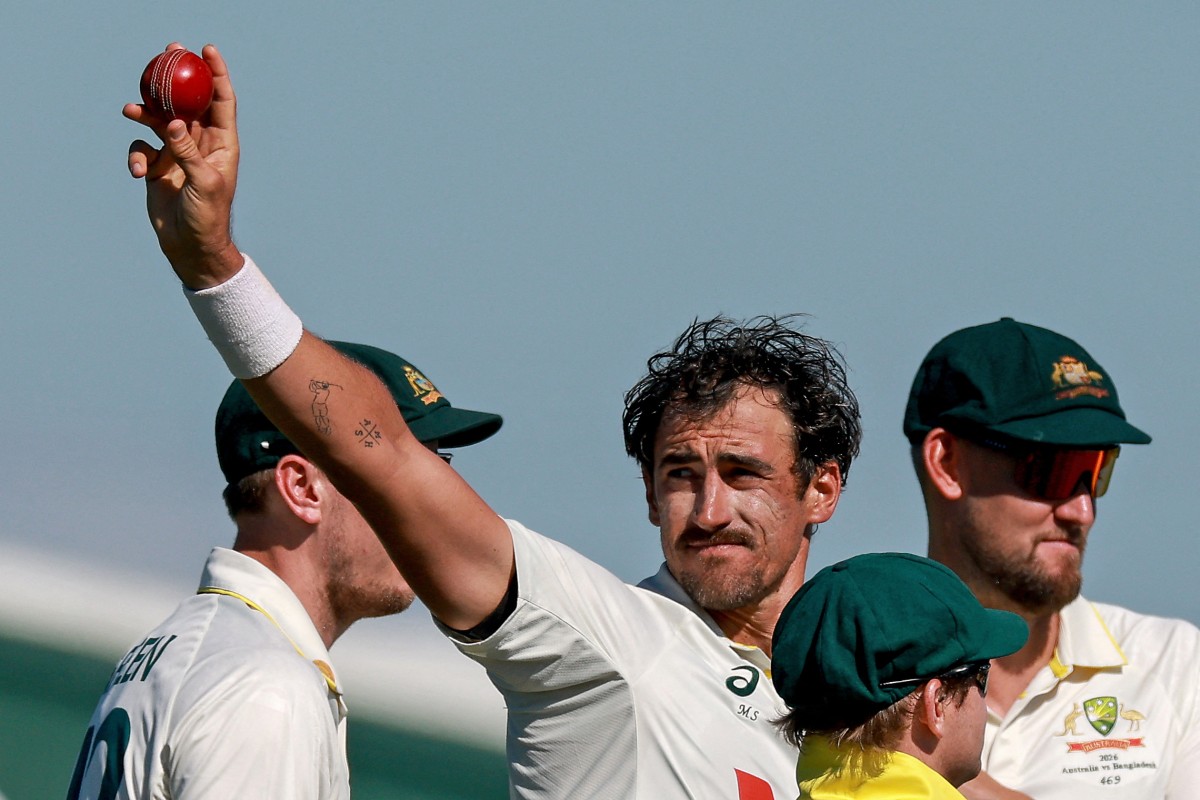
Australia’s attack, bolstered by the return of Test captain Pat Cummins for his first ODI since November 2024, was relentless from the outset. Xavier Bartlett set the tone with the new ball, dismissing both Quinton de Kock and Markram inside the ten-over powerplay to leave the Proteas reeling on 30/2.
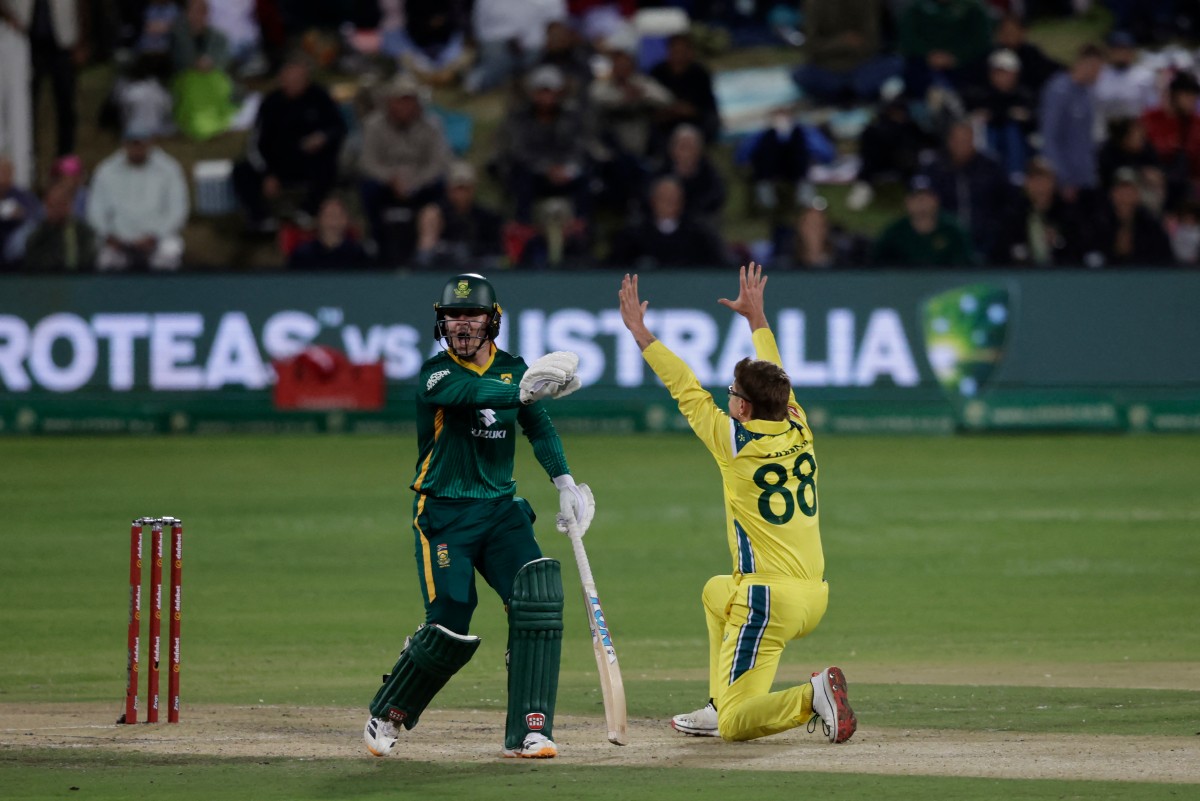
Leg-spinner Adam Zampa found his best form after being carted in the first two matches, claiming two for 33 in six economical overs. Cummins, meanwhile, built up lively pace and whilst he failed to claim a wicket, he conceded just 17 runs in five overs.
South Africa were never in the hunt. At the drinks break they were 93/2, scoring at 5.8 runs per over but requiring 6.8. When Tristan Stubbs fell LBW to Zampa for 14, the required rate had ballooned beyond realistic reach.
Rain denies a finish
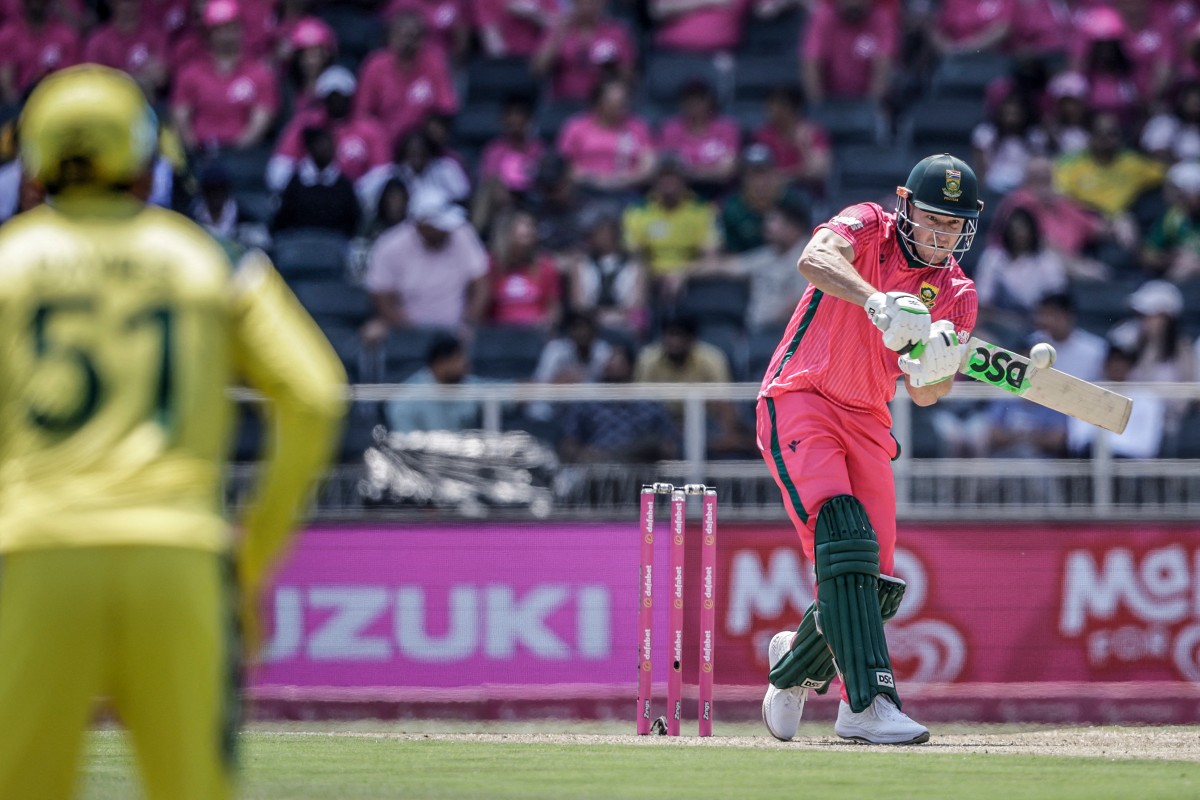
Marsh said he was sorry the match couldn’t go the distance, a fair comment given Ryan Rickelton was marooned on 71 not out and running out of partners. Tony de Zorzi had injured a hamstring whilst fielding and was ruled out of batting, leaving Rickelton as the last remaining specialist batsman.
The rain ultimately spared South Africa further punishment, though the result was never in doubt.
Series context
South Africa, having already secured the series, rested key personnel in captain Temba Bavuma, destructive batsman David Miller, and the aforementioned Jansen and Maharaj. Proteas skipper Bavuma, accepting the series trophy, said South Africa had “definitely made strides” and explained the decision to rest frontline players was about providing opportunities whilst prioritising the three-match Test series starting in Durban on 9 October.
For Australia, it’s a case of what might have been. The performance they produced in Potchefstroom was precisely what they’d lacked in the first two defeats.