
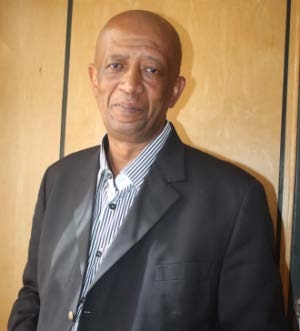
The Auditor General (AG) has issued South Africa’s first Certificate of Debt since the strengthening of the Public Audit Act in 2019, ordering a municipal manager to personally repay R4.6 million lost through an inflated water-tanker tender.
The historic enforcement action targets the Municipal Manager of Ngaka Modiri Molema District in the North West province, marking a significant shift toward personal accountability for officials who oversee wasteful public spending.
The financial misconduct stems from a water tanking contract originally awarded in June 2018 to provide drought relief services to various communities. The two-year agreement, running from July 2018 to June 2020, was subsequently extended for an additional six months.
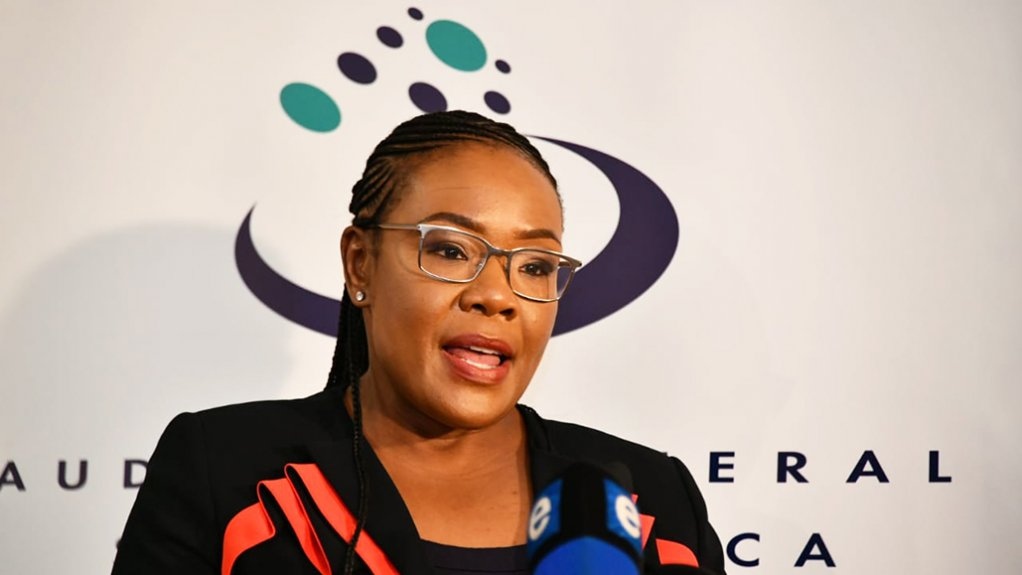
However, weak contract management processes led to significant overpayments totalling R4.6 million, according to Auditor-General Tsakani Maluleke.
“The contract management processes were so weak that this led to a material financial loss of R4.6 million,” Maluleke explained. “The loss relates to daily tankering schedules that overstated the kilometres that the particular service provider had travelled, and as a consequence, the municipality was essentially overpaying for the service.”
The Certificate of Debt issued by the AG will hold Municipal Manager Allan Losaba personally liable to repay the full R4.6 million, plus applicable interest. Interest will accrue from 30 days after the certificate has been served until the date of full payment.
This marks the first time the AG has used enhanced powers under the strengthened Public Audit Act to pursue personal liability for municipal financial losses.
The certificate comes against a backdrop of widespread municipal dysfunction, with the AG’s latest report revealing that only 16% of the country’s municipalities received clean audits, while the majority struggle with serious financial irregularities.
The Democratic Alliance (DA) welcomed the AG’s decision as a crucial step toward accountability that has been too long in coming.
“It should not have taken this long, but this step finally shows that municipal managers who ignore clear warnings and allow public money to bleed away will now be held personally responsible,” said Marina van Zyl, DA spokesperson on Cooperative Governance and Traditional Affairs.
Van Zyl said that the R4.6 million clawback “sends a message that many more municipal officials need to hear,” noting that managers who previously oversaw wasteful spending “simply walked away without consequences while communities suffered through collapsing services.”
The enforcement action highlights a broader crisis in local government, with the AG’s report painting a troubling picture of municipal finances nationwide. Major metros including Johannesburg and Tshwane continue accumulating billions in unauthorised expenditure, while nearly half of all municipalities cannot produce performance reports meeting basic standards.
Most municipalities outside the 16% with clean audits are riddled with various financial irregularities, directly impacting service delivery across the country.
ALSO READ: Northern Cape municipalities in crisis: Auditor General calls for urgent reform
“Poor financial management directly translates into dry taps, broken roads, failing sewer systems and stalled local economies,” Van Zyl noted, adding that businesses cannot operate where basic infrastructure is failing.
Van Zyl stressed that the Certificate of Debt “cannot stand alone” but must signal “the start of a new era in which municipal managers understand that ignoring the law, ducking remedial instructions, or signing off reckless budgets will have personal consequences.”
The AG’s intervention is the first use of strengthened powers granted under the 2019 amendments to the Public Audit Act, which expanded the office’s ability to pursue personal liability for financial misconduct.
With the majority of South Africa’s municipalities facing financial distress, the precedent set by this first Certificate of Debt may signal increased enforcement against officials responsible for public fund mismanagement.
“No municipality can deliver services while its finances are in shambles, and the AG’s intervention must drive that point home,” Van Zyl concluded.





You must be logged in to post a comment.