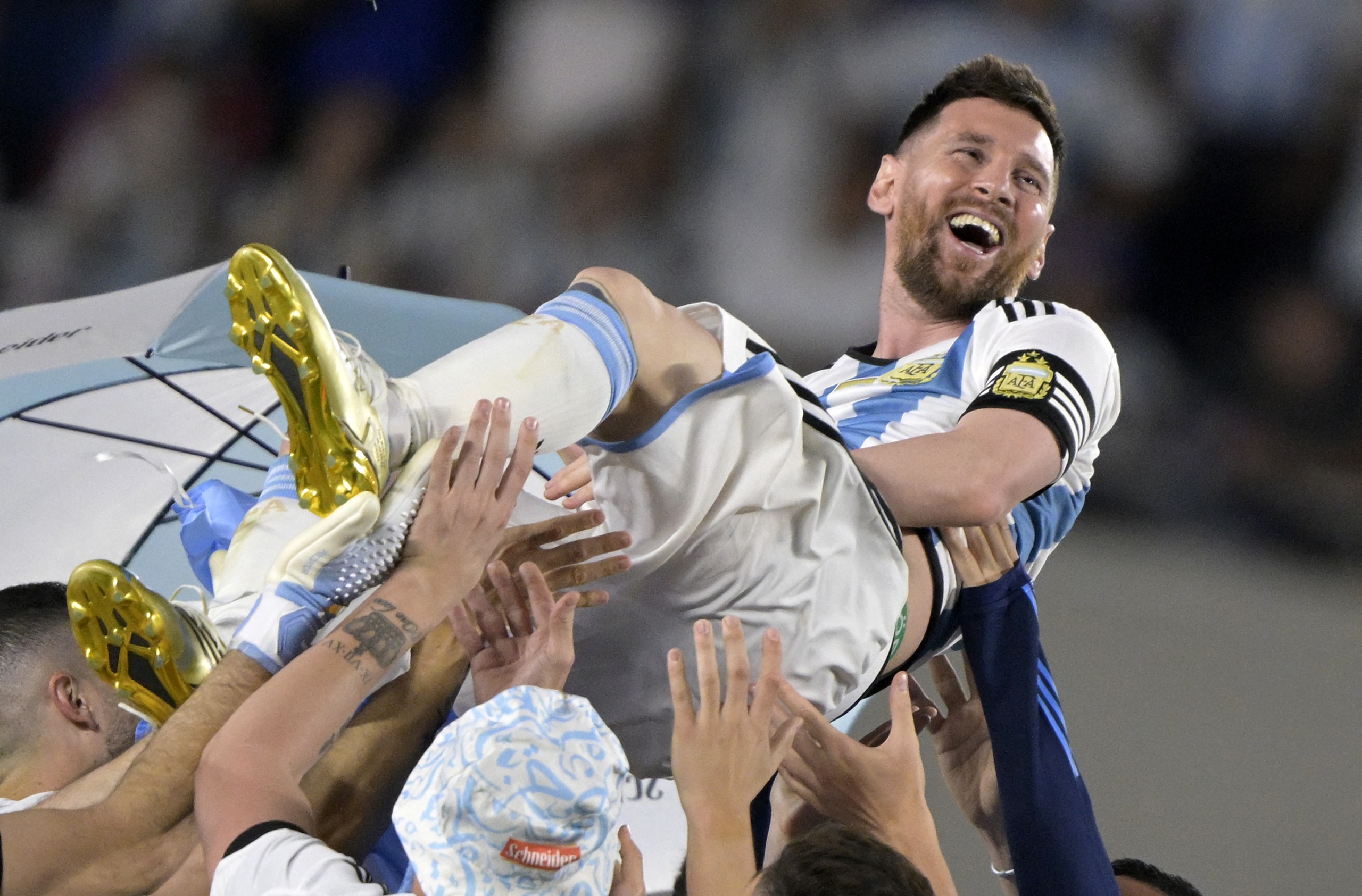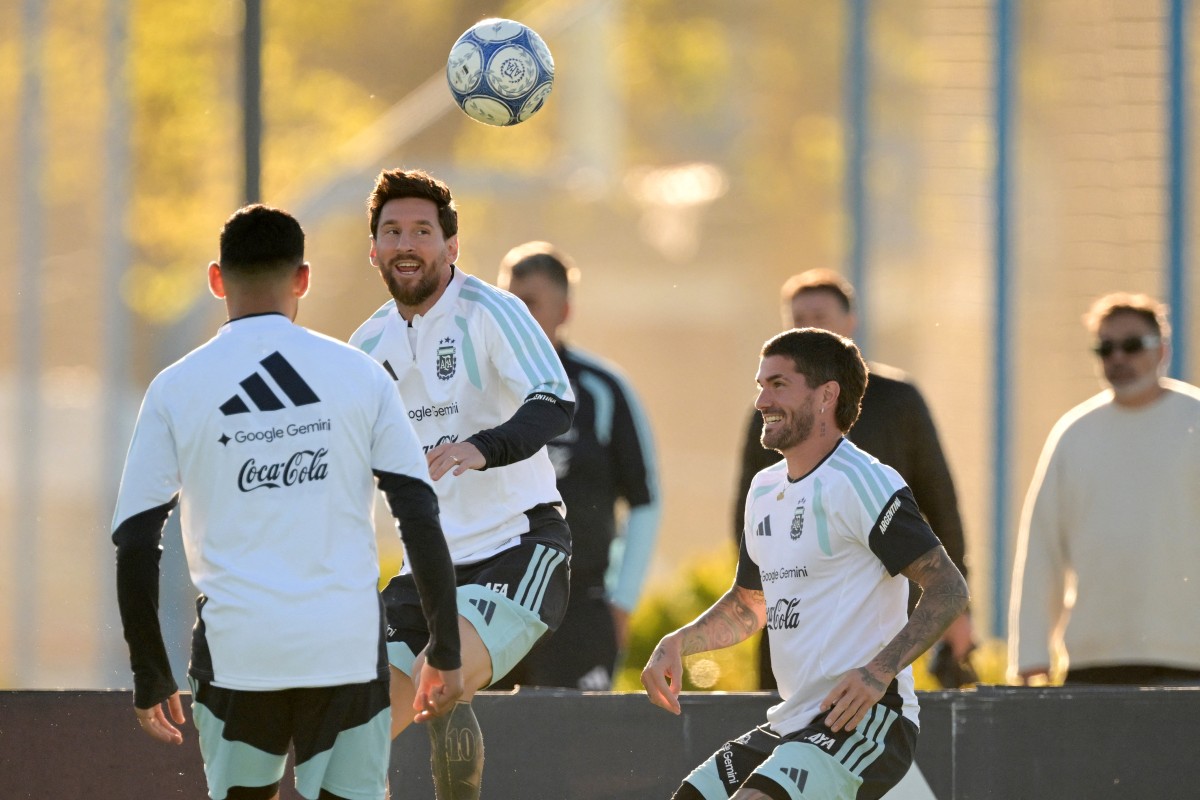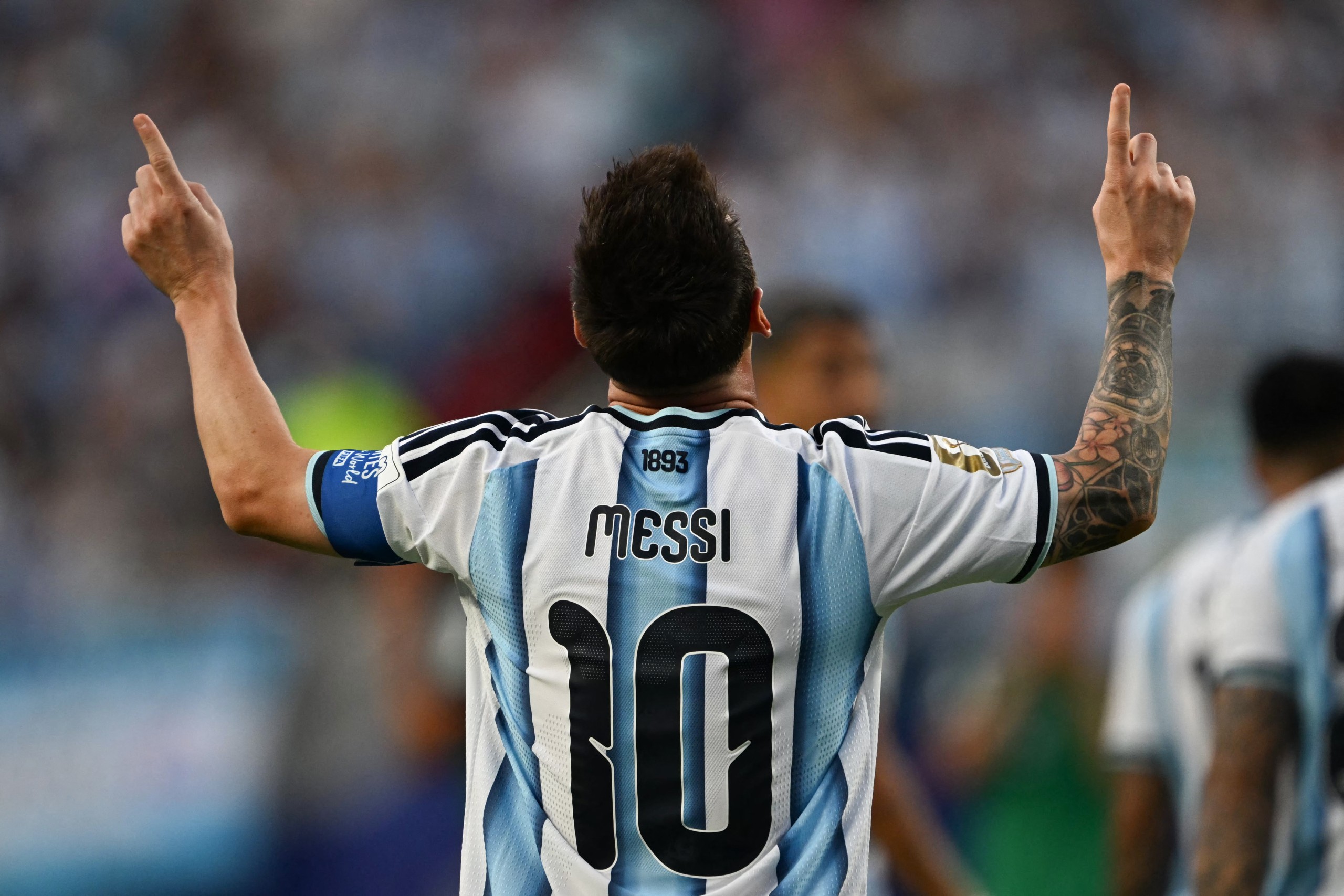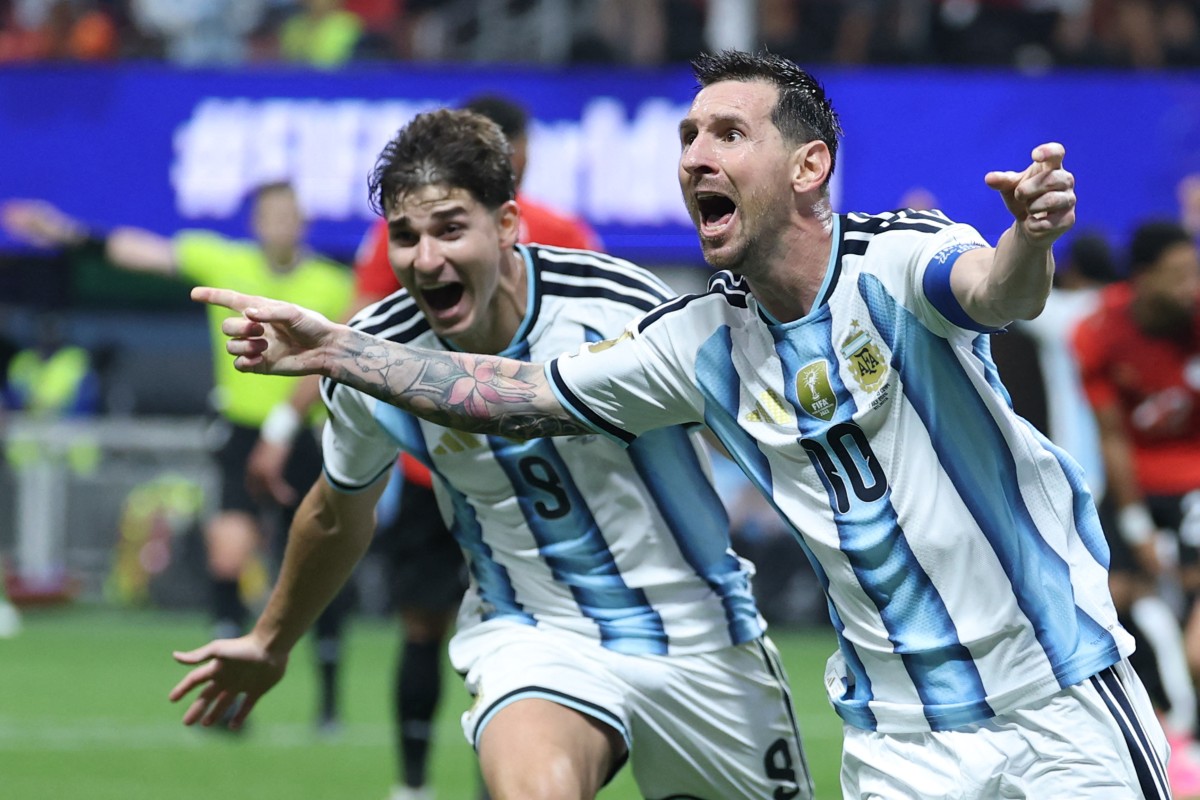
The number 10 shirt sits vacant, and suddenly Argentina’s football future feels considerably less certain.
Lionel Messi vacated the famous jersey on Monday after 21 years of carrying Argentinian hopes on his shoulders.
The 39-year-old’s final competitive appearance came in July’s 1-0 World Cup final defeat to Spain in New Jersey, a match that exposed uncomfortable truths about Argentina’s ageing squad and raised serious questions about what comes next.
Of the 17 players who featured in that final, only two will be under 30 when the next World Cup kicks off in South America in 2030.
The exodus begins
Veteran centre-back Nicolas Otamendi, 38, has already followed Messi into international retirement, calling time on his career in the wake of being thoroughly outplayed by younger, more vibrant Spanish opponents.
But the departures might not stop there.
Goalkeeper Emiliano Martinez has suggested he may follow suit, whilst 32-year-old midfield enforcer Leandro Paredes, slapped with a 10-match FIFA ban for attacking Spain players after the final whistle, has hinted his international days are numbered.
“If he (Messi) isn’t there, it will be hard for everything to keep working the way it used to,” Paredes told Argentinian TV channel TN.
Rodrigo De Paul’s international career has also been heavily linked with his Inter Miami teammate’s future. Where Messi goes, speculation suggests, De Paul might follow.
Suddenly, Argentina face the prospect of losing not just Messi but potentially half a dozen key contributors from the squad that conquered the world in Qatar and dominated South American football for half a decade.
The Scaloni question
The biggest question mark surrounds coach Lionel Scaloni, whose future remains shrouded in uncertainty despite overseeing Argentina’s most successful spell since Diego Maradona’s playing days.
The 48-year-old, whose team are affectionately known as the “Scaloneta” at home, was appointed in 2018 and ended Argentina’s 28-year wait for major silverware with the 2021 Copa America triumph.
His current deal expires in December. He’d reportedly agreed an extension through 2030 before the World Cup, but cast serious doubt on his future after the final defeat exposed tactical and personnel limitations.
“I already have an idea of what I want to do,” Scaloni said cryptically afterwards. “I’m going to honour my contract, and then we’ll see. I need to think, because I don’t know if it’s possible to achieve something as great as this.”
That sounds disturbingly like someone contemplating walking away at the peak rather than managing inevitable decline. And who could blame him? Following a World Cup triumph and back-to-back Copa America crowns with… what, exactly? A rebuild featuring players who can’t possibly replicate Messi’s genius?
The challenge is immense. The temptation to depart on a high must be overwhelming.
The familiar faces remaining
Despite the uncertainty and potential departures, plenty of quality remains in Argentina’s squad.
Lisandro Martinez and Cristian Romero have established themselves as the first-choice centre-half pairing, providing defensive solidity that doesn’t rely on Messi’s brilliance.
Enzo Fernandez, who completed a British record-equalling move from Chelsea to Manchester City on Monday, and Alexis Mac Allister have made central midfield their own, offering youth and quality that should peak during the next World Cup cycle.
Up front, Messi’s departure could paradoxically benefit Inter Milan’s Lautaro Martinez and Atletico Madrid forward Julian Alvarez, giving them space and freedom to shine without playing support roles to an irreplaceable genius.
Alvarez particularly needs to improve his international output, 15 goals in 59 caps simply isn’t good enough for someone who’ll be expected to shoulder significant goal-scoring responsibility moving forward.
The youth movement
Messi himself believes Argentina’s long-term future remains bright, his retirement announcement carrying optimism about those ready to step up.
“I’ve given it my all. I have nothing left to give, and besides, there are great young players coming up who deserve their chance,” he declared, passing the torch to a generation that’s watched him carry Argentina for two decades.
Exciting Como youngster Nico Paz made two World Cup appearances and could become a regular starter. Twenty-three-year-old Giuliano Simeone – son of former Argentina stalwart Diego Simeone – impressed as a substitute in the semi-final win over England, showcasing the kind of energy and directness that suggests he belongs at this level.
Real Madrid winger Franco Mastantuono didn’t make the World Cup squad but has already earned four caps at just 19, his precocious talent marking him as someone who could feature prominently in Argentina’s immediate future.
Last year’s Under-20 World Cup squad reached the final for the first time since 2007 before losing to Morocco – evidence that talent continues flowing through Argentina’s youth system even if none can reasonably be expected to replicate Messi’s genius.