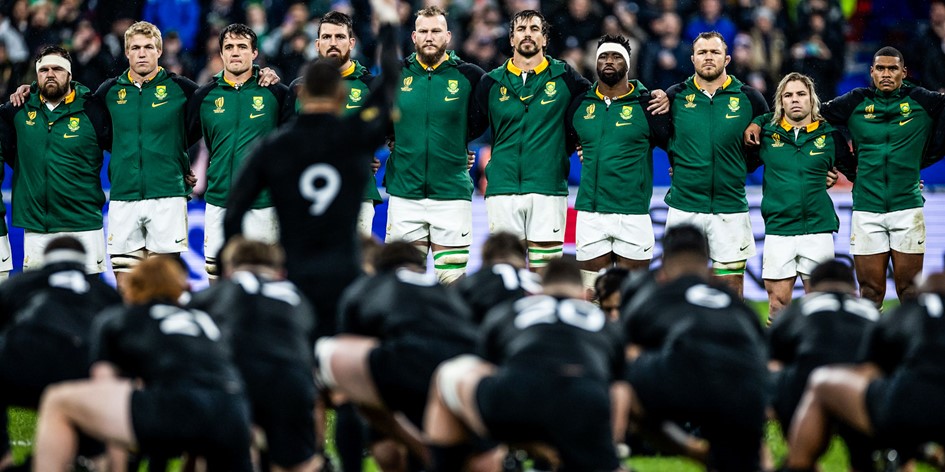
The 2026 All Blacks tour presents a significant opportunity for South Africa to capitalise on sport tourism, a sector that generates billions but remains underutilised, according to experts.
The New Zealand All Blacks will tour South Africa in 2026 for three test matches and one abroad, marking the first traditional test series between the two nations in 30 years. The tour, branded as The Greatest Rivalry Tour, will also include provincial matches against the Stormers, Sharks, Bulls and Lions.
Professor Esmarie Myburgh from the research unit Tourism Research in Economics, Environs and Society (TREES) at North-West University said sport tourism presents a strategic opportunity for the country’s economy.
“Sport tourism can address several challenges in South Africa’s leisure tourism sector, particularly by reducing seasonality and spreading tourism benefits more evenly,” said Myburgh. “Unlike traditional leisure tourism, which is often concentrated in peak periods and major destinations, sport events can take place throughout the year and often in smaller towns, creating valuable economic activity.”
The United Nations World Tourism Organisation projects sport tourism to grow by an estimated 17.5% between 2023 and 2030, already accounting for approximately 10% of global expenditure.
According to a South African Tourism report titled Sport Tourism Insights, South Africa hosted 878 local and 122 international sporting events across all codes in a recent period, attracting 12.34 million attendees and generating over R8.11 billion in spending.
Myburgh said high-profile events linked to world-class teams receive global media coverage that positions South Africa as a capable host destination. Sport tourists who attend events are often motivated to return for leisure travel with family or friends, creating ongoing economic benefits beyond the initial event.
“Sport tourism generates spending across accommodation, transport, food, retail and attractions,” she said. “Major events have strong direct impacts, but even smaller events can stimulate local economies while supporting jobs and small businesses.”
However, challenges remain. Infrastructure maintenance has not kept pace with demand, limiting appeal. Government support remains uneven, with a focus on large-scale events and established provinces. Infrastructure quality, safety concerns, grassroots sport development and inconsistent economic impact measurement constrain growth.
“Overall, sport tourism remains one of South Africa’s most promising yet underutilised tourism opportunities,” said Myburgh. “With improved infrastructure, balanced support and stronger collaboration, it has significant potential to drive inclusive economic growth, nation-building and long-term destination competitiveness.”
The success of the 2026 tour will depend on whether South Africa can leverage the exposure, invest in infrastructure and ensure benefits extend beyond match days and major cities.
ALSO READ: WATCH | Rugby’s greatest rivalry reborn: Springboks and All Blacks to renew historic tour tradition