

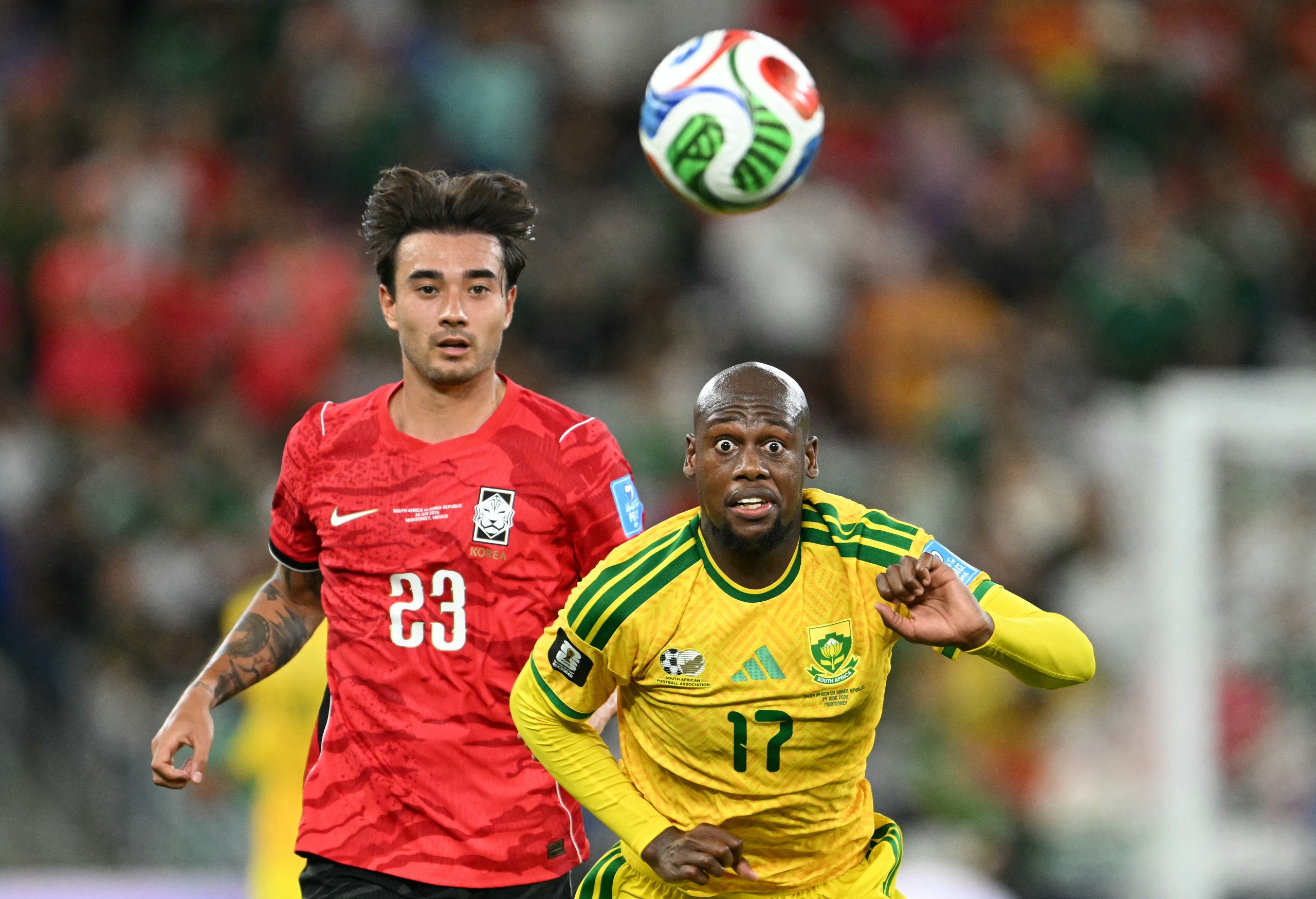
When Italy’s Gennaro Gattuso complained about Africa’s increased allocation of World Cup slots, few expected the continent’s teams to prove him so decisively wrong.
The former Italian midfielder, who won the tournament in 2006, had argued that Africa deserved fewer places after his country failed to qualify for the 2026 edition. With the expanded 48-nation format, African representation jumped from five automatic spots to nine, with a 10th team added when DR Congo won an inter-continental playoff.
Yet the numbers tell a different story. Nine of the 10 African teams reached the knockout stage, delivering a 90% success rate that topped all FIFA regions. South America managed 83.33%, Europe 81.25% and Asia just 22.22%.
Only Tunisia disappointed, losing all three group matches and parting ways with coach Sabri Lamouchi after their opening game.
The other African representatives all progressed, with five finishing as group runners-up and four qualifying as the best third-placed teams.
However, a troubling pattern emerged in the knockout rounds. African sides repeatedly conceded late goals to world-class strikers, with seven teams eliminated in the round of 32.
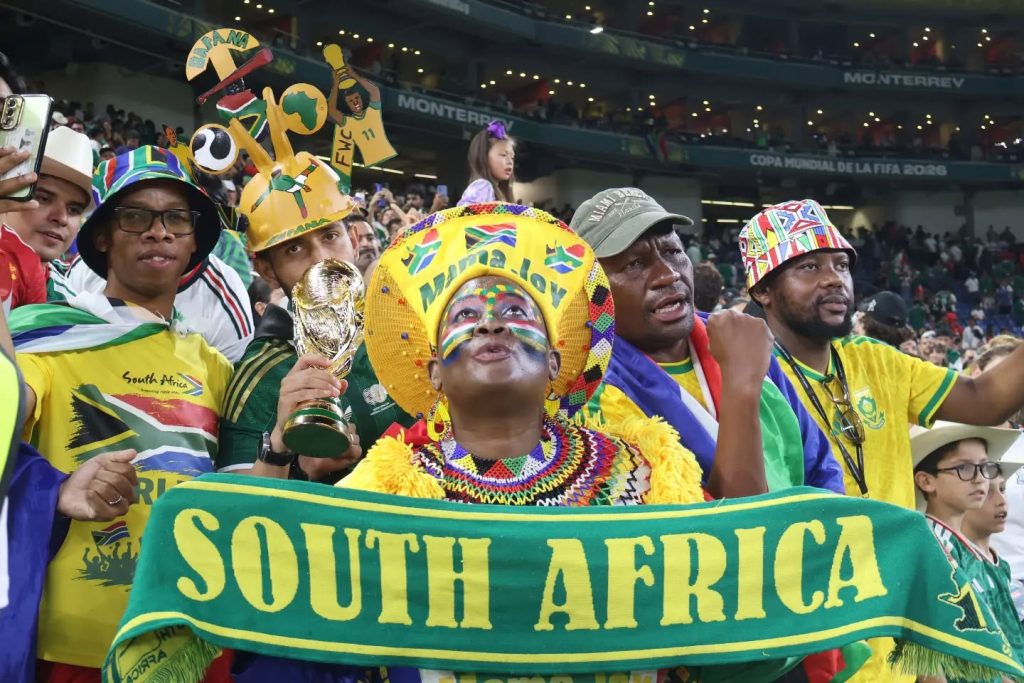
Egypt led Argentina 2-0 with 12 minutes remaining, only for Lionel Messi to spark a dramatic comeback that ended in a 3-2 defeat. England’s Harry Kane scored twice to edge past DR Congo, while Erling Haaland netted the winner against Ivory Coast for Norway.
The most spectacular collapse came from Senegal, who surrendered a two-goal lead in the final five minutes against Belgium before losing in extra time. The Teranga Lions, widely tipped as Africa’s strongest contender, won just one of four matches and scraped through as the eighth-best third-placed side.
Midfielder Pape Gueye publicly stated he would not play for Senegal again until coach Pape Thiaw was removed, hinting at internal problems.
Egypt coach Hossam Hassan suggested the officiating team, led by French referee Francois Letexier, may have faced “external pressure” to favour Argentina after several controversial decisions.
FIFA referees chief Pierluigi Collina rejected the claims, saying match officials “make honest decisions and always try to do their best.”
Television analyst Thierry Henry offered a blunt assessment of African teams throwing away leads. “African sides relax too early,” the former French striker said. “People talk about talent and passion, but when they go two goals up, the focus drops.”
Former Sweden striker Zlatan Ibrahimovic, working alongside Henry, added: “Several African teams that were leading found a way to lose. In a World Cup, that is not bad luck, that is bad game management.”
Morocco went furthest, reaching the quarter-finals for the second time in their history. But their 1-0 loss to France exposed the gap that still exists against Europe’s elite. The Atlas Lions managed their first shot on target only in the 83rd minute, a tame effort from Azzedine Ounahi that goalkeeper Michael Maignan handled comfortably.
Coach Mohamed Ouahbi offered no excuses. “France are a really great side, they have rarely had as much talent as they do now,” he said.
ALSO READ: WATCH | Africa at the World Cup: 10 teams, local coaches and tactical depth usher in a new era
Morocco have already qualified as co-hosts for the 2030 World Cup alongside Portugal and Spain. A 115 000-seat stadium is under construction near Casablanca, with ambitions to stage the final.
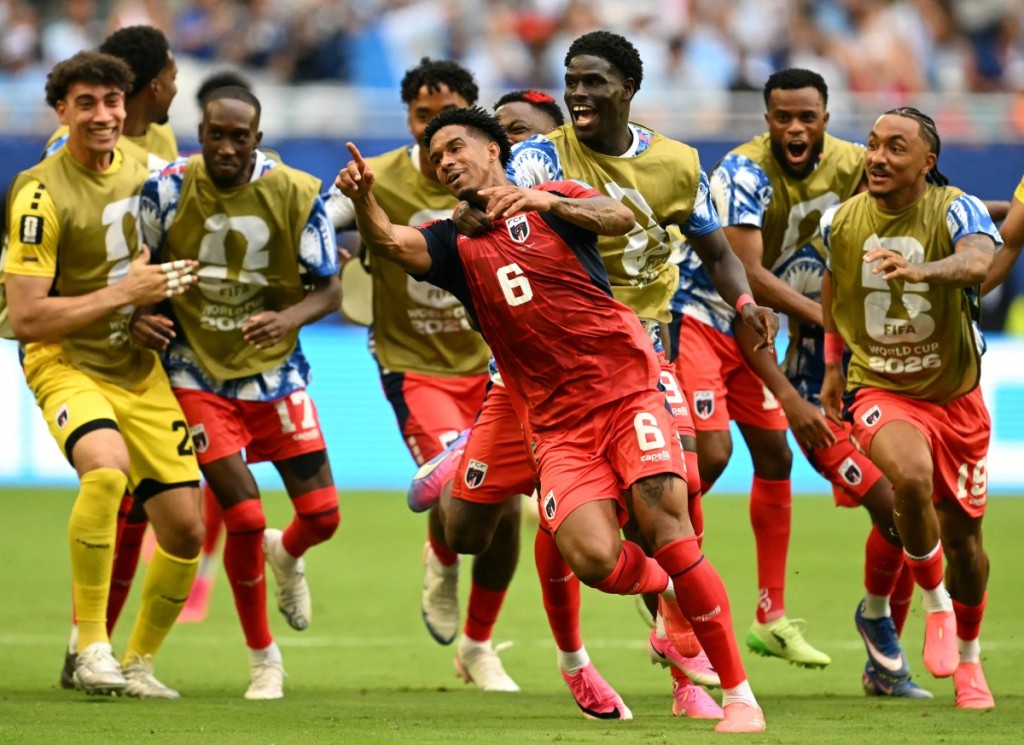
The tournament’s surprise package came from Cape Verde, the tiny west African archipelago with a population of just over 500 000. Despite failing to win any of their four matches, they captured global attention.
Goalkeeper Vozinha (40) produced a string of brilliant saves to earn a 0-0 draw against Spain in their opener. His Instagram following rocketed from 50 000 to five million virtually overnight.
Cape Verde equalised twice before losing 3-2 to Argentina in the round of 32. Sidny Lopes Cabral’s second goal, a looping cross-cum-shot, became one of the tournament’s most memorable strikes.
While Europe dominated the quarter-finals with six representatives compared to Africa’s one, the continent’s overall performance vindicated the expanded allocation. Tunisia aside, African teams showed they belonged on the world stage, even if questions remain about closing out tight matches.


You must be logged in to post a comment.