
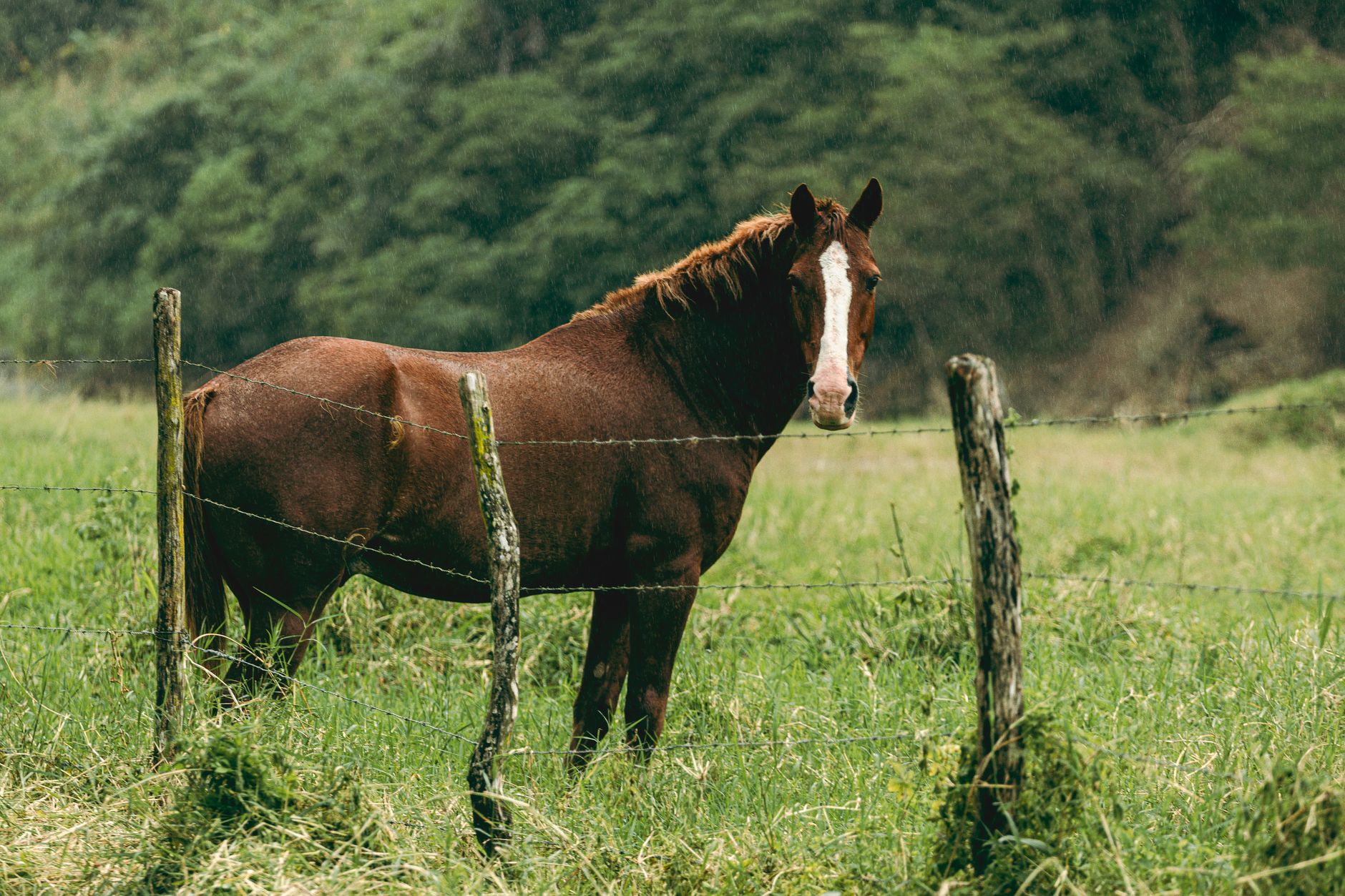
A single horse in the Cederberg Local Municipality has tested positive for African horse sickness, leading authorities to impose strict movement controls and launch intensive surveillance to stop the disease from spreading.
The University of Pretoria’s Veterinary Genetics Laboratory confirmed the horse carried the virus serotype 7. The property sits within South Africa’s established protection zone for the disease.
Agriculture Minister Willie Aucamp said the country’s veterinary surveillance system picked up the case quickly, allowing officials to move fast.
“The swift detection of this case in the Cederberg Local Municipality is a good example of how South Africa’s veterinary surveillance system works. As a result, the authorities were able to move quickly to the affected area and take the required stringent actions,” Aucamp said.
Movement restrictions now in force
The Western Cape Department of Agriculture has set up an outbreak containment area around the property under the Animal Diseases Act of 1984.
Horse owners who want to move animals within the controlled area normally need a permit from the State Veterinarian: Boland. But the department said it will not issue any permits to move horses out of the area while investigations continue.
Surveillance teams on the ground
Veterinary Services teams, working with authorised vets and industry partners, have started intensive surveillance in the area. They are conducting traces and a census to find out how far the outbreak has spread and whether other horses have the disease.
What horse owners must do
The department wants horse owners in the controlled area to work with Veterinary Services and report any animals showing signs of the disease.
Warning signs include unexplained fever, swelling of the head or neck, breathing problems or sudden death.
Horse owners should also protect their animals from Culicoides midges, which spread the disease. The department recommends keeping horses in stables from two hours before sunset until two hours after sunrise, staying away from low-lying and wet areas, and using registered insect repellents and insecticides properly.
Vaccination not recommended
The department has told horse owners not to vaccinate their animals against the disease right now.
Officials explained that the registered vaccine is live-attenuated, which means vaccinating during periods when midges are active could cause the vaccine strain to spread through midge bites. This could make the situation worse.
“While there is no proof of large-scale disease activity outside the said property, the department is focused on total vigilance and calls on all horse owners to refrain from vaccination during this period,” Aucamp said.
Veterinary Services will keep monitoring the situation and provide updates as more information comes in.
The department said it will notify international trade partners about the outbreak. Officials will provide more information about trade implications later.
The Western Cape Department of Agriculture will issue updates on containment measures, movement restrictions and permits. Horse owners can get more information from Veterinary Services and at www.myhorse.org.za.
ALSO READ: Horse owners urged to vaccinate against African Horse Sickness