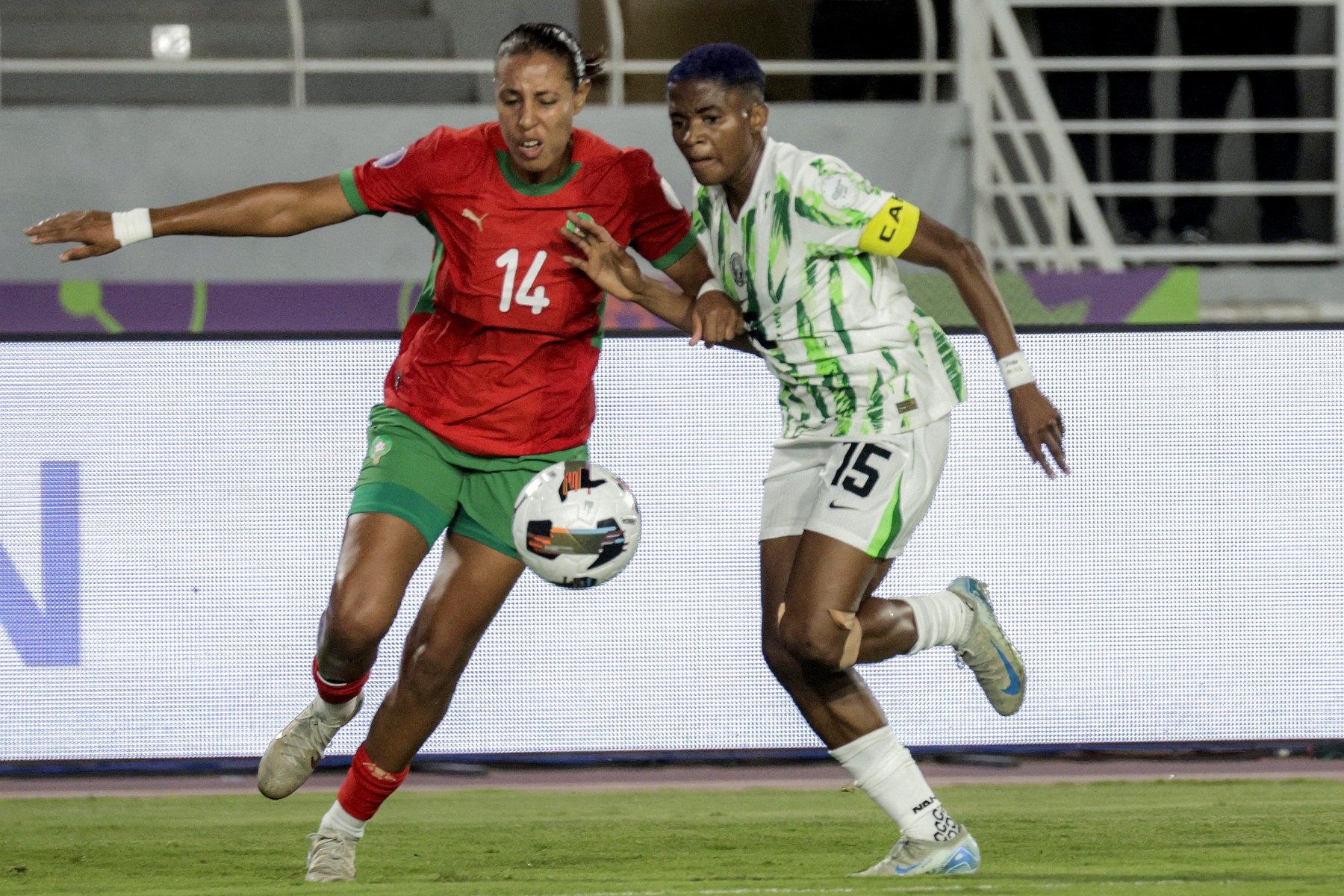
African football’s flagship tournament is heading back to a biennial format after the Confederation of African Football (CAF) performed a spectacular U-turn on Friday, reversing last year’s decision to stage the Africa Cup of Nations every four years. The announcement will delight national team purists whilst sending shivers down the spines of European club executives who now face losing star players every two years instead of four.
Also read: Young Bafana prove SA youth model works beyond rugby pitch
“The African Football Confederation Executive Committee today unanimously decided that the CAF Africa Cup of Nations will return to taking place every two years,” CAF confirmed in a statement that represents a complete reversal of policy just 12 months after the initial shift.
The volte-face centres primarily on financial realities. CAF’s grand plan to replace the four-yearly AFCON with a new Africa Nations League Pan-African Competition, essentially a rebadged tournament occurring biennially, has hit the buffers before even getting off the ground.
CAF president Patrice Motsepe didn’t sugarcoat the reasoning, admitting the replacement competition would take far too long to generate the revenue African football desperately needs.
“We were also concerned by the several years required before the proposed new Africa Nations League Pan-African competition, which was supposed to be identical to the current AFCON and take place every two years, could make the substantial financial and football development contributions for African Football and CAF competitions to be globally competitive and self-supporting,” Motsepe explained.
Translation: the new tournament wouldn’t make enough money quickly enough, so they’re sticking with what works.
Player welfare or club appeasement?
Motsepe also claimed the decision was taken “in the interests of African players employed by football clubs outside Africa,” though that reasoning feels somewhat disingenuous given European clubs will now lose key personnel every two years rather than four.
Motsepe’s point likely refers to African players needing regular competitive tournament football to maintain their development and international profiles. Four-year gaps are a career lifetime in modern football, two years keeps momentum and relevance alive.
Tournament calendar confirmed
Next year’s tournament will be co-hosted by Kenya, Tanzania and Uganda in what promises to be a historic East African showcase. CAF has already mapped out the following three editions: 2028, 2031 and 2033.
Eagle-eyed observers will note the three-year gap between 2028 and 2031, a quirk explained by FIFA’s World Cup calendar.
“The forthcoming FIFA World Cup will take place in 2030 and in accordance with FIFA tradition, the final tournament of the AFCON and other Confederations National Teams competitions may not take place during the year of the FIFA World Cup,” Motsepe clarified.
2025 winner still in limbo
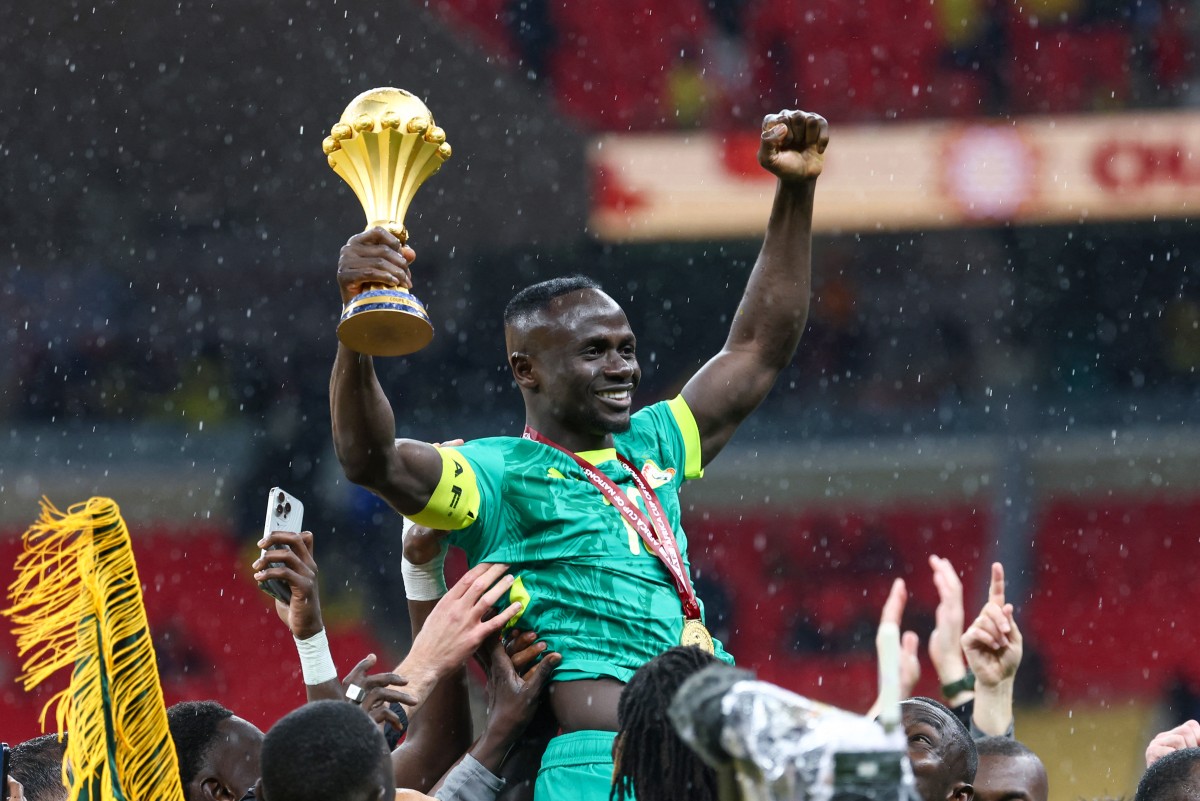
Adding spice to proceedings, the 2025 AFCON winner remains shrouded in controversy. The Court of Arbitration for Sport (CAS) is expected to rule at the end of November on Senegal’s appeal after CAF stripped them of the title and awarded it to hosts Morocco following a dispute whose details remain murky.
Also read: Morocco awarded AFCON title after Senegal’s controversial walkoff
Senegal are challenging the decision through every available legal avenue, meaning the trophy could yet change hands months after the final whistle.
What it means
The return to biennial AFCON represents pragmatism triumphing over ambition. CAF’s grand redesign has been shelved because the financial projections didn’t stack up and African football can’t afford to gamble on hypothetical revenue streams years down the line.
For fans, it means more frequent access to Africa’s premier tournament, a victory for those who cherish the spectacle, passion and chaos AFCON delivers. For European clubs, it’s a headache that resurfaces every two years instead of four, though their complaints will fall on deaf ears given AFCON’s significance to African nations.
For African players, it ensures regular competitive football at the highest continental level, keeping them sharp and relevant on the global stage.