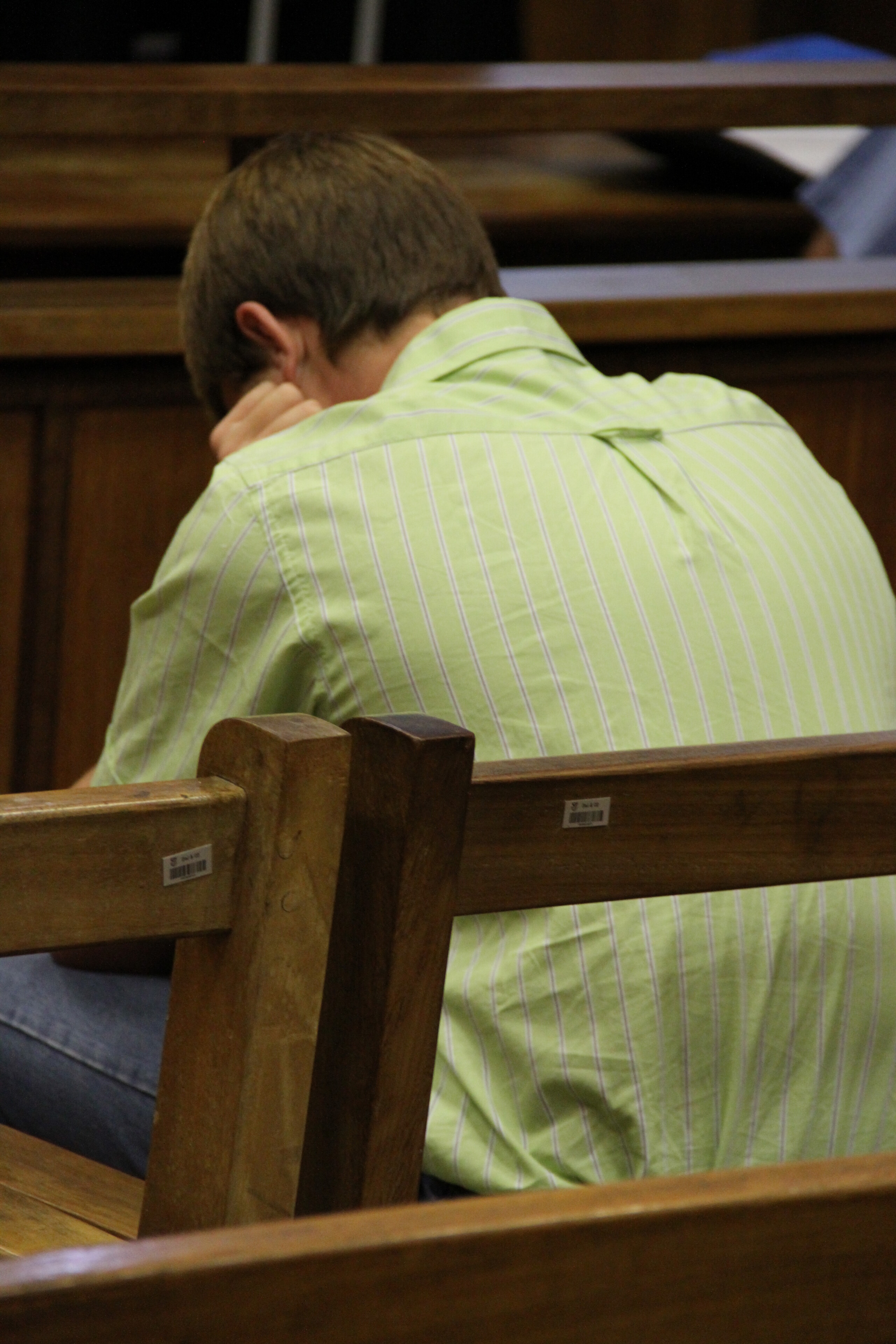
Thirteen years after the gruesome events at Naauwhoek farm, the Griekwastad killer is knocking on the door of freedom for the second time. After a failed attempt in 2024, the now 29-year-old convict faces the parole board again, bringing the horrific events of Good Friday 2012 back into the spotlight.
The tragedy is well-remembered: Deon, Christel, and young Marthella Steenkamp were executed in their home. The perpetrator, a boy who was just 15 at the time, is serving an effective 20-year sentence for the murders, rape, and defeating the ends of justice.
As the Department of Correctional Services reviews his file, the haunting expert testimony from his 2014 trial looms large over his potential release.
One conflict facing the parole board is the offender’s psychological profile. During sentencing, a sharp divide emerged between defence and state experts. While Dr. Larissa Panieri-Peter, forensic psychiatrist suggested the killings were a disorganized “shambles” requiring cognitive therapy, state psychologist Major Bronwynn Stollarz painted a darker picture.
Stollarz flagged “emerging psychopathic tendencies,” pointing to the extreme violence used – described as “overkill” – and the calculated coldness the boy displayed. Perhaps most damning was his persistent denial of guilt. Stollarz’s analysis, which remains in his prison file, posited a fundamental truth: “Rehabilitation cannot occur if a person does not take responsibility for their actions.”
Erstwhile Judge President Frans Kgomo echoed these sentiments in his judgment, noting the chilling fact that the boy appeared to smile when his arrest was announced on the radio. The motive, the court found, was self-preservation – also killing the adults to hide the rape of their daughter.
According to Correctional Services spokesperson Singabakho Nxumalo, the necessary interventions have been completed and the applicant’s profile will now be considered by the parole board.
This likely includes the intensive therapeutic regimen ordered by the court: monitoring for psychopathy, aggression management, and sexual offender programs.
The South African parole system places a heavy premium on restorative Justice. A Victim-Offender Dialogue (VOD) has already taken place in Upington. In these sessions, the offender’s willingness or unwillingness to admit wrongdoing might be a deciding factor.