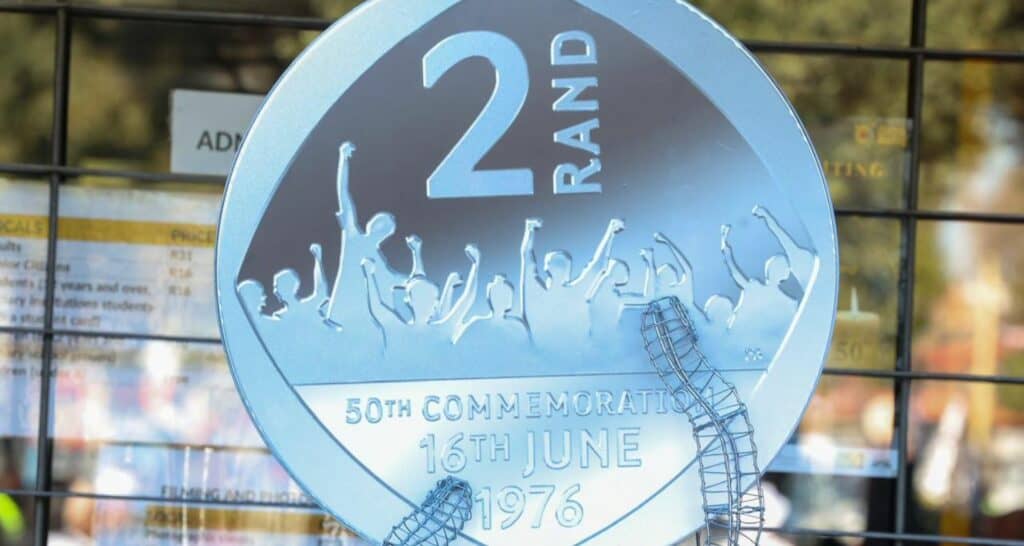
The South African Reserve Bank has released a commemorative R2 coin celebrating 50 years since the June 1976 Youth Uprising, with President Cyril Ramaphosa unveiling the design at the Hector Pieterson Museum in Soweto.
The new circulation coin, launched on Tuesday at the museum in Orlando West, Johannesburg, features an image of learners raising their fists in defiance during the historic protests against apartheid education policies.
The raised fist on the coin symbolises resistance, solidarity and the courage shown by thousands of Soweto learners who walked out of their classrooms on 16 June 1976 to protest the enforced use of Afrikaans in schools and the inequalities of the Bantu Education system.
Visitors to the Hector Pieterson Memorial were able to exchange their regular R2 coins for the new commemorative version on the day of the launch.
The SARB said the coin, whilst special, holds the same value as ordinary R2 coins in circulation.
“Commemorative circulation coins serve as a tool for national storytelling because, as they move through communities, people can share these stories in their homes, at malls, taxi ranks and wherever money is used daily,” the SARB said.
The coin’s design draws inspiration from the events of 1976 and reflects themes of remembrance, resistance and hope.
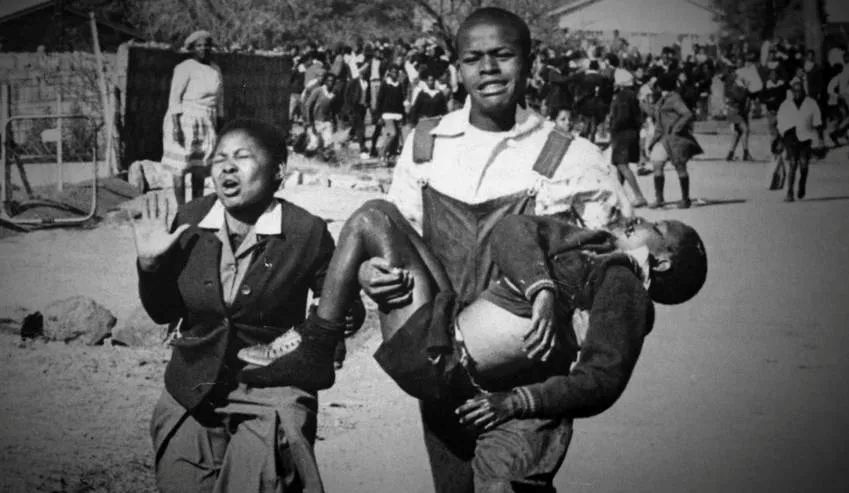
The Hector Pieterson Museum is dedicated to preserving the memory of the 1976 uprisings, when learners across Soweto took to the streets against the injustices of apartheid’s inferior education system.
The 1976 Youth Uprising remains one of the defining moments in South Africa’s liberation struggle and journey to democracy.
This year’s Youth Day commemorations coincided with other major milestones, including 70 years since the Women’s March of 1956 and 30 years since the adoption of South Africa’s democratic Constitution in 1996.
The commemoration honours the courage, resilience and sacrifices of the young people who stood against injustice and helped shape a free and democratic South Africa.
ALSO READ: YOUTH DAY | 50 years on, Soweto uprising legacy still shadows South Africa