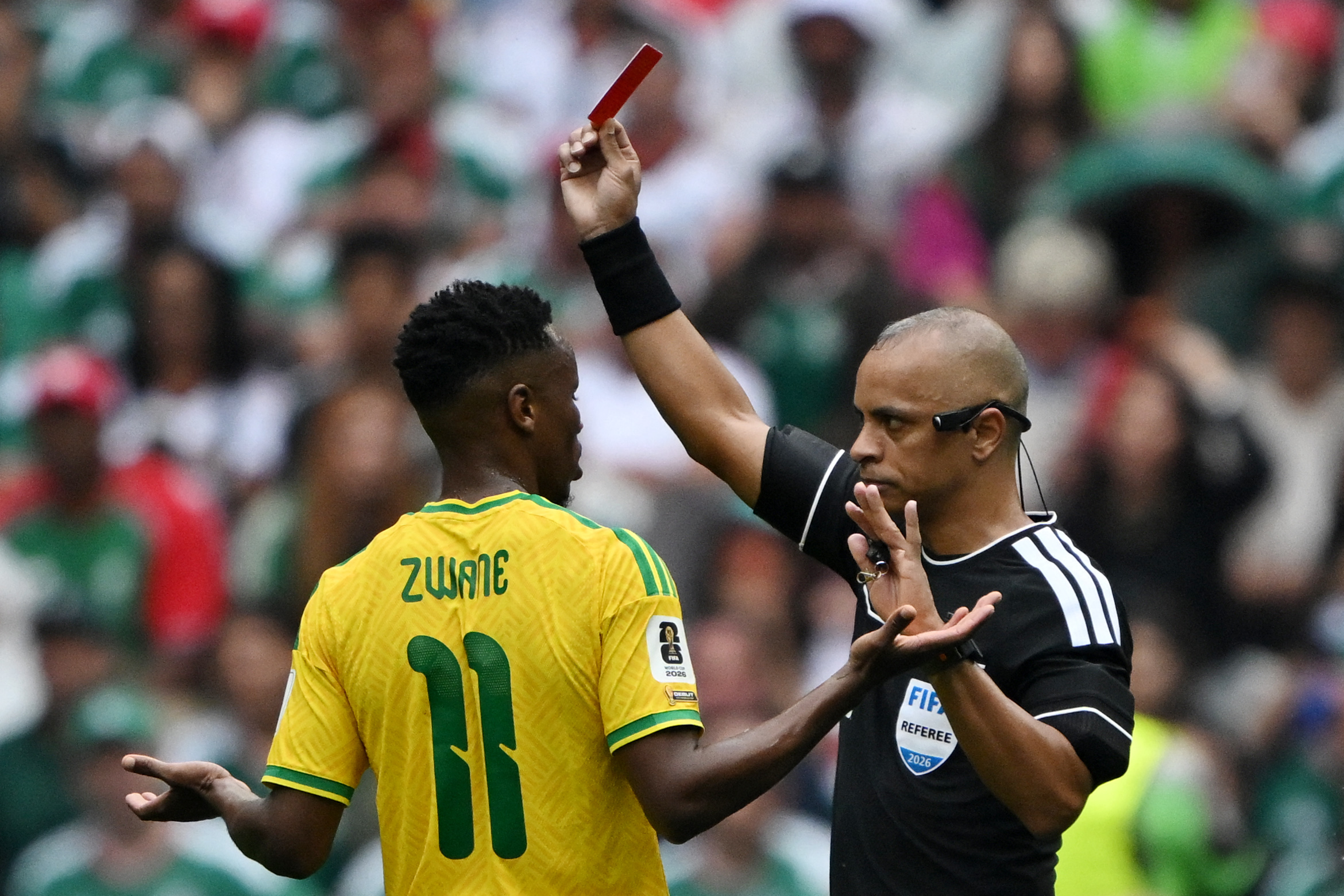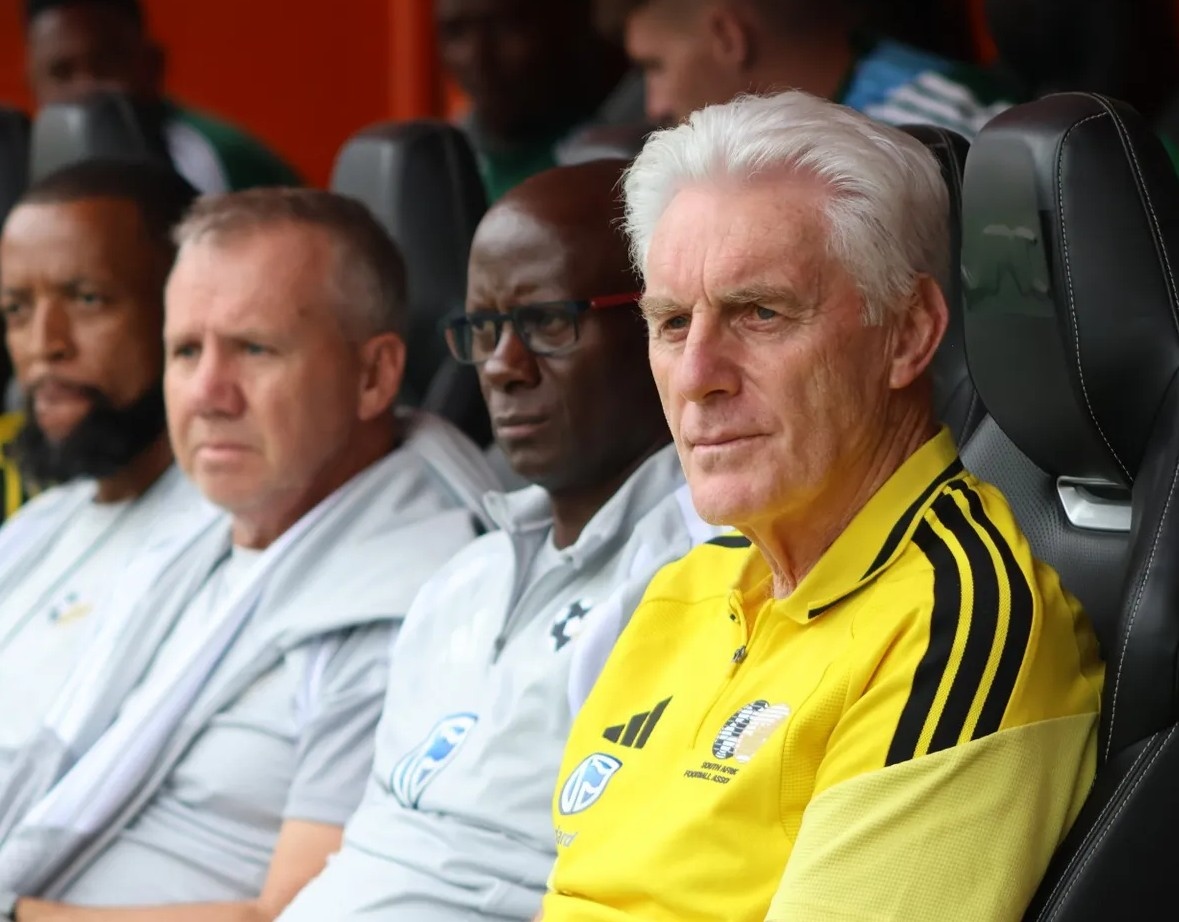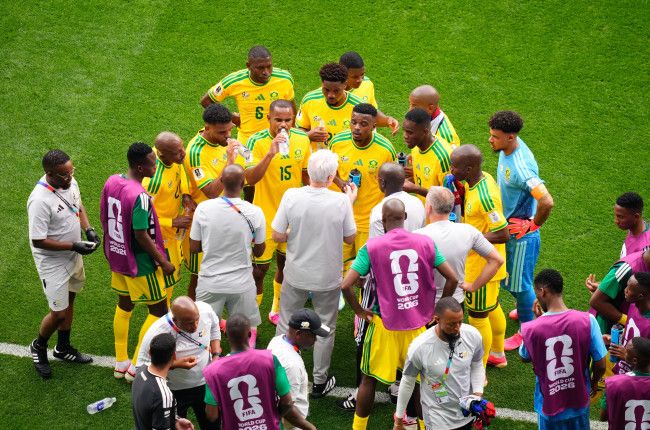
The dejection etched across Bafana Bafana faces told the story. A 2-0 opening defeat to co-hosts Mexico. Two red cards. Nine men finishing a bruising encounter that looked every bit the disaster it felt. Sphephelo Sithole and Themba Zwane trudging down the tunnel, heads bowed, dreams seemingly shattered before the World Cup had barely begun.
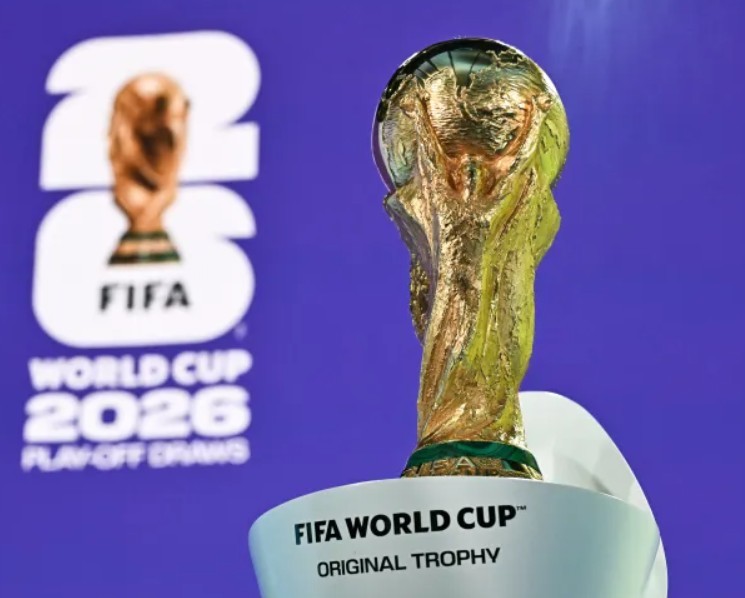
But here’s the thing about World Cup history, it’s littered with teams who stumbled out of the blocks before rising to glory.
Bafana Bafana’s campaign isn’t over. Far from it. Whilst the Mexico result stings and the double dismissals compound the misery, South Africa can draw inspiration from nations who’ve stood exactly where they stand now, battered, bruised, and written off, only to script comeback stories that defined tournaments.
The evidence is compelling. KickOff.com shows that he roadmap exists. Bafana just need to follow it.
Spain 2010: The gold standard of recovery
If there’s one example that should be tattooed on the Bafana dressing room wall, it’s Spain’s 2010 campaign. La Roja arrived in South Africa as reigning European champions, dripping with quality, their tiki-taka possession football the envy of world football.
Then Switzerland happened. A 1-0 shock defeat in their opener that sent shockwaves through the tournament and had pundits questioning whether Spain’s pretty football could handle knockout brutality.
Vicente del Bosque’s side didn’t panic. They didn’t abandon their philosophy. They doubled down on it. Spain methodically dismantled Honduras and Chile in their remaining group matches, advancing with quiet confidence rather than bluster.
What followed was perfection. Victory after victory in the knockout stages, culminating in Andrés Iniesta’s extra-time winner against Netherlands in the final. From opening-match embarrassment to world champions. From crisis to coronation.
The lesson? One result doesn’t define a tournament. Resilience and belief do.
Argentina 2022: Recent proof it can be done
Bafana needn’t dig deep into history books for encouragement. The most recent World Cup provides the blueprint.
Argentina arrived in Qatar on a 36-match unbeaten streak, Lionel Messi’s supposedly final chance at football’s greatest prize generating global storylines. Then Saudi Arabia gate-crashed the narrative with a stunning 2-1 victory that ended La Albiceleste’s invincibility and sparked wild celebrations across the Arab world.
Lionel Scaloni could have retreated into conservatism. Instead, he went bold, overhauling his line-up and unleashing youngsters Enzo Fernández and Julián Álvarez. Argentina battered Mexico and Poland in their next two fixtures, building momentum that carried them all the way.
Seven matches later, Messi lifted the trophy, Fernández claimed Young Player of the Tournament, and Argentina’s opening stumble became a footnote in a glorious campaign.
The message? Setbacks can galvanise rather than paralyse. Bold decisions beat panic.
Turkey 2002: Red cards and redemption
For a scenario eerily similar to Bafana’s predicament, look no further than Turkey at the 2002 World Cup. The Crescent-Stars faced tournament favourites Brazil in their opener, stunned everyone by taking the lead, then watched it unravel, a 2-1 defeat compounded by a controversial sending-off.
Sound familiar?
Turkey could have folded. Instead, they regrouped. A draw with Costa Rica kept hopes alive. Victory over China secured knockout progression. Then the magic began.
Şenol Güneş’s side became the tournament’s dark horses, eliminating co-hosts Japan in the round of 16 and South Korea in the third-place play-off to finish third overall. From opening defeat and a red card to the podium.
It’s the most relatable template for Bafana. Turkey weren’t world beaters. They weren’t favourites. They were scrappy, determined, and refused to let one bad result define them.
Italy 1994: Third place escape to final heartbreak
Italy’s 1994 campaign offers another recovery arc, albeit one with a bittersweet ending. The Azzurri lost 1-0 to Republic of Ireland in their opener, limped through the group stage as one of the best third-placed teams, and looked destined for an early exit.
Yet Arrigo Sacchi’s men found another gear in the knockouts, grinding their way to the final through defensive solidity and tactical nous. Only Brazil’s penalty shootout victory denied them the ultimate redemption.
Reaching the final from such shaky foundations remains remarkable. It proves tournaments are marathons, not sprints.
History provides the encouragement. Now comes the hard part, translating it into action.
South Africa face a gruelling schedule with crucial fixtures looming. But the tournament isn’t defined yet. Bafana possess quality. They earned their place at this World Cup through qualifying campaigns that showcased resilience. That character doesn’t evaporate after 90 difficult minutes.
Spain didn’t panic and won the trophy. Argentina adapted and conquered. Turkey fought back to third place. Italy reached the final. All started exactly where Bafana stand now, reeling from opening defeats, searching for answers, needing belief.