South Africa is in a billion-rand war against drugs smuggling, illegal firearms and organised crime – whilst one of the most effective weapons in that fight runs on a budget smaller than many government catering contracts.
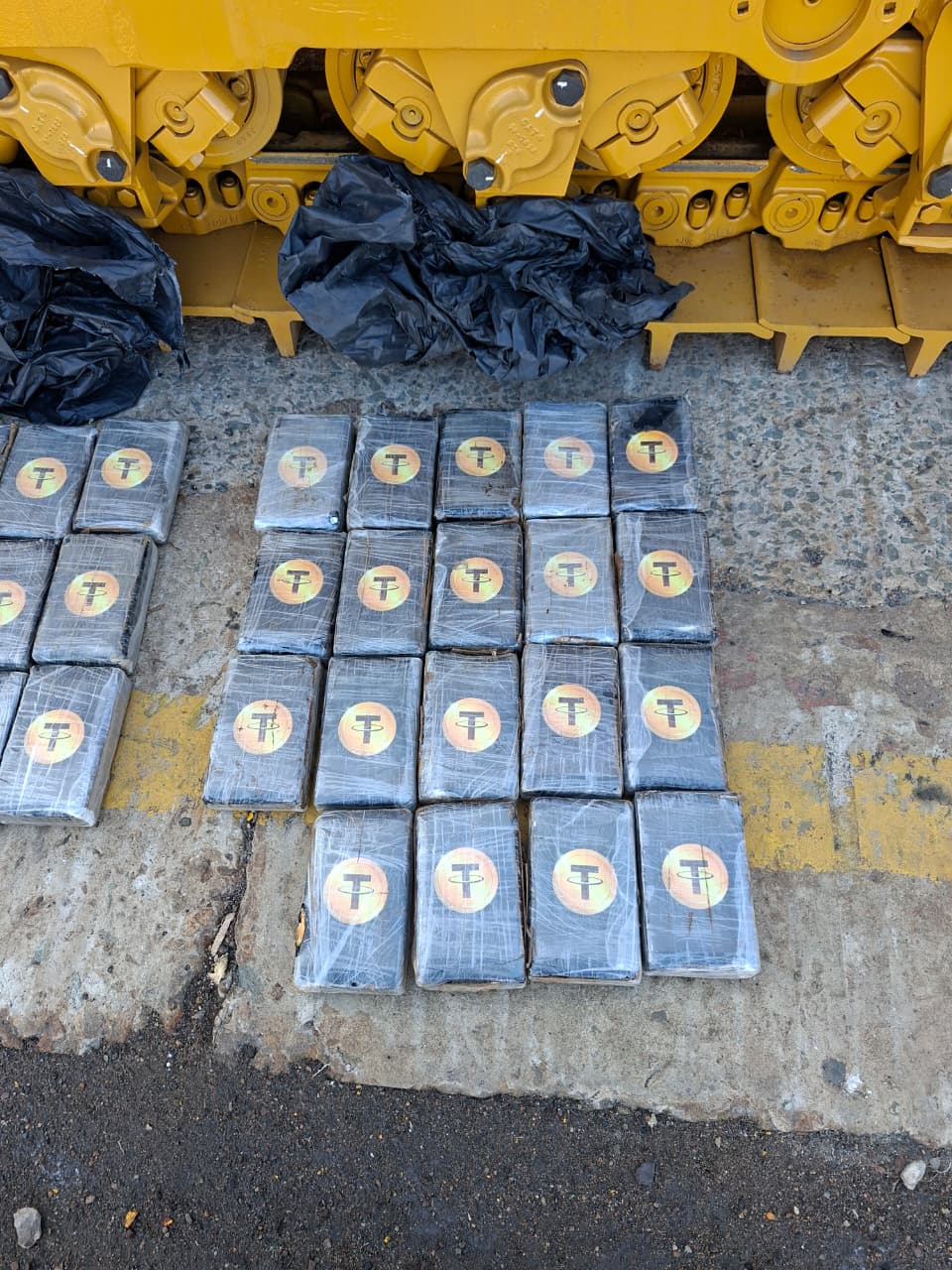
Last month, SARS Customs Detector Dog Unit (DDU) seized cocaine and heroin worth over R900 million. But you probably didn’t hear about it. That’s partly because we don’t talk enough about the people and dogs quietly defending our borders, and partly because we’re not giving them what they need to do the job.
I’ve just spent weeks questioning the Finance Minister about the SARS’ Customs Detector Dog Unit (DDU). The answers are both impressive and deeply troubling.
Here’s what the DDU team managed to do in the past three years: protect R10.4 billion in goods from illegal smuggling.
That’s not just customs revenue. That’s contraband seized at our borders, drugs, illegal weapons, counterfeit medicines, endangered species parts, and currency destined for criminal networks.
In the last financial year alone, the DDU contributed R1.59 billion to customs enforcement. For an annual budget of R3.9 million, that’s a return on investment of R31.8 million per dog. Let me spell that out, every dog working at our borders with SARS’ DDU, generates roughly 8,000% return on what we invest in them.
For context, most government programmes would kill for a 100% ROI. Yet the DDU illicit trade-detecting heroes are operating on a shoestring.
This isn’t just about customs revenue. This is about crime.
Only 25% of our ports of entry have dedicated DDU teams. And the Finance Ministry has calculated that we’re short by 17 dogs.
The DDU seized over R923 million in narcotics alone in the past three years. That’s narcotics that didn’t reach dealers on our streets. That’s drugs that won’t destroy families in our townships. That’s a barrier against the trafficking networks that fuel violence, gang warfare, and organised crime in South Africa.
The DDU, is working at a fraction of its capacity, yet they seized R10.4 billion in contraband in three years. That’s goods that never entered the parallel economy. That’s duty that was collected instead of lost. That’s legitimate trade protected from competition with untaxed smuggled alternatives.
But here’s the crucial question: what got through?
The Finance Ministry acknowledged in its parliamentary response that “resource constraints collectively reduce our ability to prevent revenue leakage.” Translation: We know we’re losing significant revenue at the border because we haven’t resourced our detection capability adequately.
Only 25% of our ports of entry have dedicated DDU teams. And the Finance Ministry has calculated that we’re short by 17 dogs.
This is where corruption and service delivery failures intersect. Weak border security doesn’t just mean missed tax revenue. It means, corruption flourishes in the gaps, and criminals exploit our weakness.
ALSO READ: SARS, Hawks seize cocaine in back-to-back Durban port busts
Illicit trade doesn’t just cost the government revenue, it destabilises legitimate commerce.
Why are we investing less than R4 million annually in a programme that generates R31.8 million return per dog?
Why do we have capacity plans for ports but refuse to allocate the resources to meet the plan?
Why do we talk endlessly about corruption and crime, but starve the very units that actually catch the contraband and criminals at our borders?
The Finance Ministry further states deploying more dogs requires “in-depth sourcing and testing.” Fair enough. But sourcing and testing takes time and money, things we’re clearly not prioritising.
This is a jobs issue too. Properly resourced, the DDU should be expanding, more dogs mean more handlers, more kenneling staff, more training positions. Instead, we’re running a lean operation that barely holds the line.
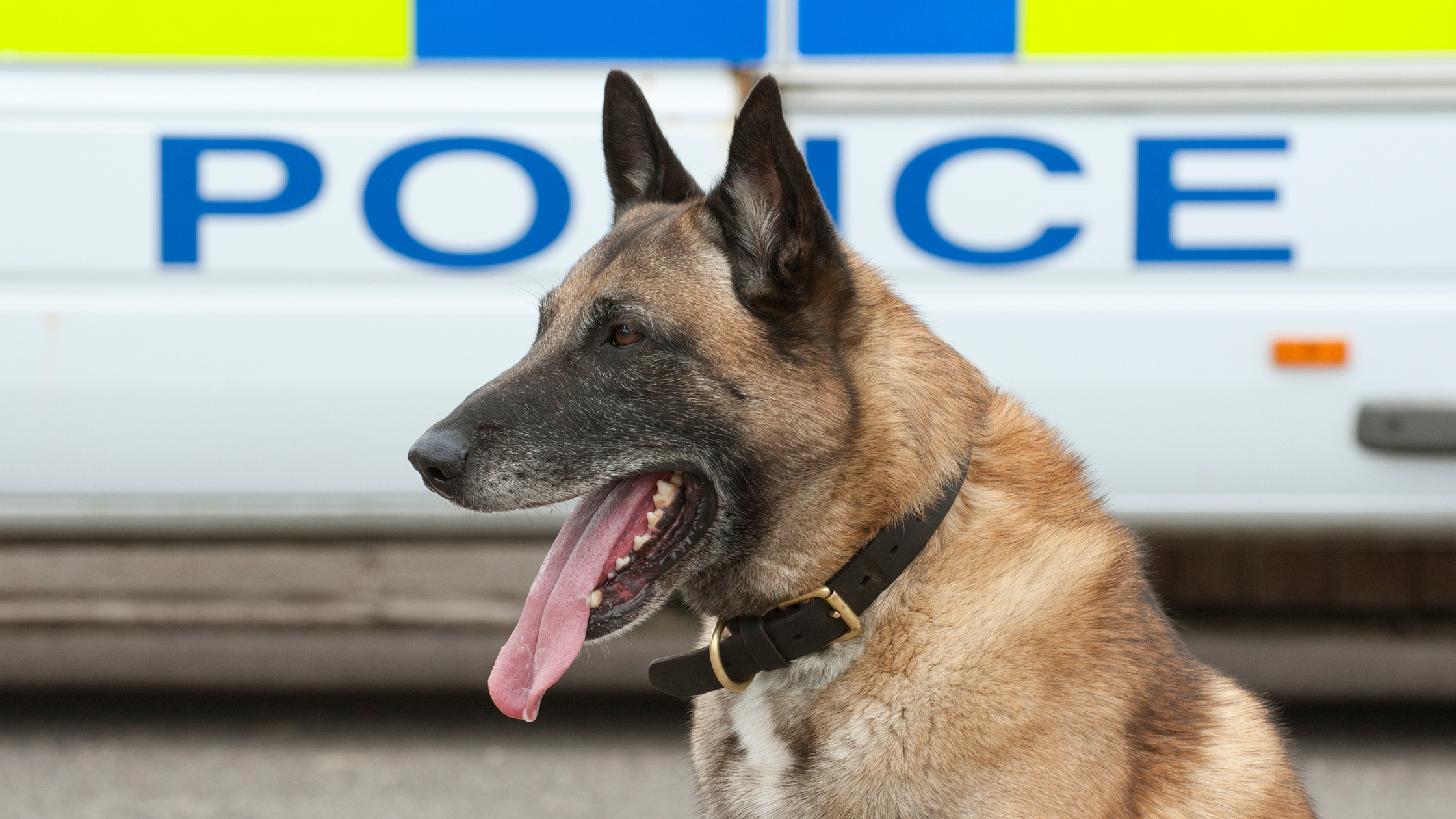
The DDU doesn’t get the headlines. There is no drama in a dog at a Durban container terminal, nose to a cargo manifest. But that dog is carrying the weight of our border integrity, R10.4 billion in seized goods, R923 million in narcotics, prosecutions of criminals who wouldn’t have been caught otherwise, and a clear message at our borders that we’re watching.
It’s time we treated this like the investment it is.
The question isn’t whether we can afford to fund the DDU properly. The question is whether we can afford not to.
ALSO READ: Hawks seize cocaine worth R36m. concealed in excavator at Durban harbour