

CAPE TOWN – Small-scale fishers and environmental organisations are waiting for a court decision that could deliver another significant blow to offshore oil and gas exploration along South Africa’s West Coast.
The Western Cape High Court reserved judgement on 2 June following a two-day hearing on whether to set aside environmental authorisation granted to British company TGS Geophysical Company United Kingdom Limited for a large seismic survey off the West Coast. Judge Judith Cloete is expected to deliver a written ruling in the coming weeks or months.
The case, brought by Port Nolloth-based Aukotowa Fisheries Primary Co-operative together with The Green Connection and Natural Justice, challenges approval for a 57 400 km² survey area stretching from St Helena Bay to Hondeklip Bay, approximately 120 km to 230 km offshore.
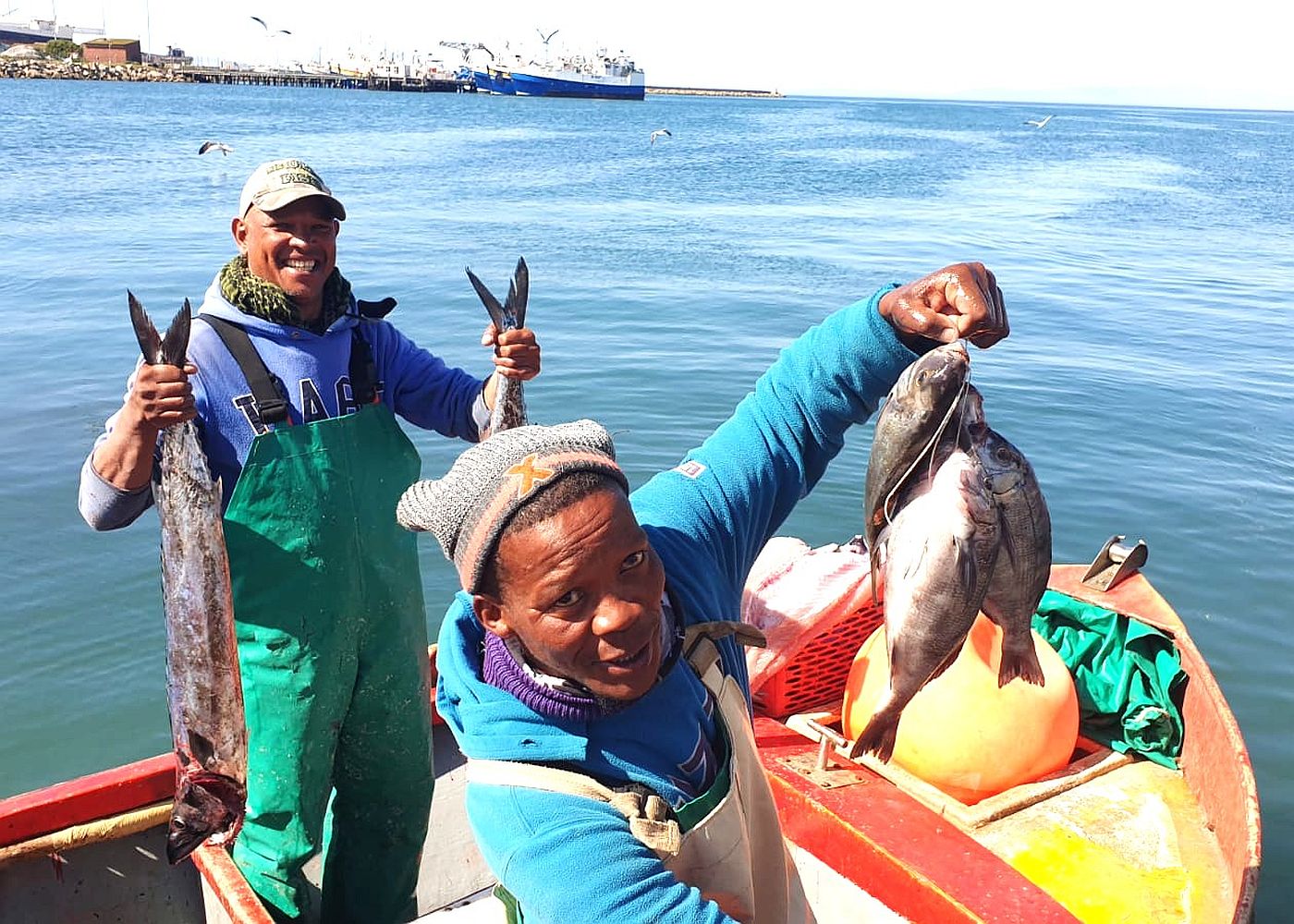
For Walter Steenkamp and the fishers of Port Nolloth, the case is about more than environmental law.
“We have a lot of natural resources,” Steenkamp said. “If fishing grounds are disrupted, there are no viable alternatives for our coastal communities.”
If the court rules in favour of the applicants, it will mark the third major legal victory for fishing communities and environmental groups challenging offshore fossil fuel projects in recent years.
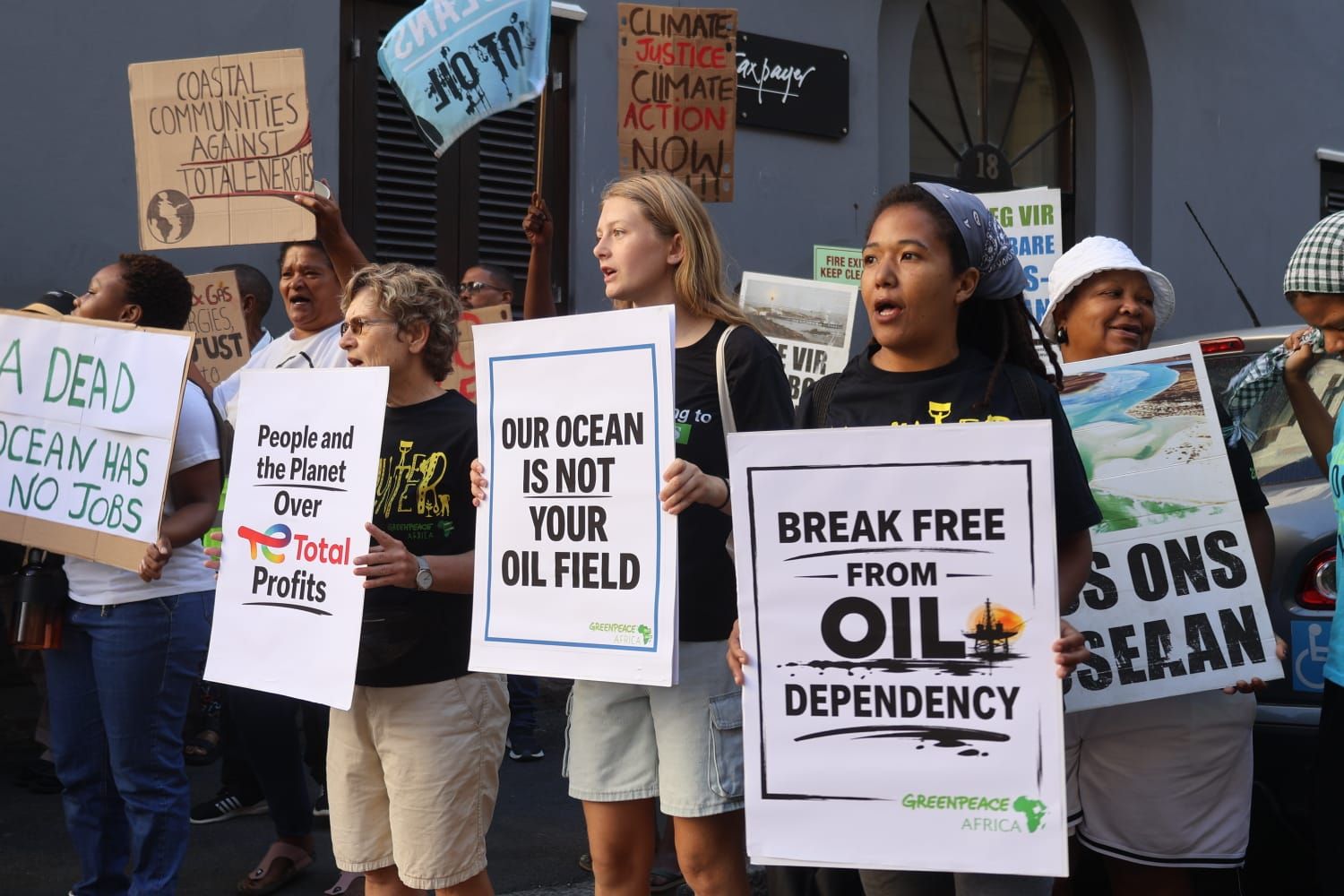
The latest challenge follows a landmark ruling in August 2025 when the Western Cape High Court set aside environmental authorisation granted to TotalEnergies and Shell for offshore drilling in Block 5/6/7 between Cape Town and Cape Agulhas.
In that case, Justice Mangcu-Lockwood found that the environmental impact assessment failed to adequately consider climate change impacts, the socio-economic consequences of a potential oil spill on fishing communities and possible transboundary harm to Namibia.
Both the TotalEnergies project and the TGS seismic survey received environmental authorisation on 17 April 2023 from the director-general of the Department of Mineral and Petroleum Resources.
Before that, the Supreme Court of Appeal ruled that exploration rights granted to Shell and Impact Africa for seismic surveys on the Wild Coast were unlawful because of an inadequate public participation process.
During the recent TGS hearing, applicants argued that the director-general did not have all the necessary specialist reports before granting approval.
According to Natural Justice, the proposed survey would use high-intensity acoustic pulses to map the seabed for potential oil and gas reserves over an estimated 70-day period. Environmental groups argue that the sound waves could affect marine life and fishing grounds.
The concerns echo arguments raised in the TotalEnergies case. Court documents in that matter identified a major oil spill as the greatest environmental threat associated with offshore drilling. However, applicants successfully argued that the assessment failed to properly analyse what such a disaster could mean for more than 2 000 small-scale fishers operating through 68 community cooperatives between Saldanha Bay and Cape Agulhas.
Energy companies and government have strongly defended the environmental approval process.
Advocate Andrew Breitenbach, representing TGS, argued that the company’s environmental studies acknowledged scientific uncertainty and adopted a precautionary approach. According to reports from the hearing, he told the court that any impacts would be limited and localised.
TGS also maintained that its assessments were compiled by qualified scientists and that potential impacts could be mitigated to acceptable levels.
ALSO READ: High court reserves judgment on TotalEnergies West Coast drilling case
Government has likewise indicated its support for offshore exploration.
In March, minister of Forestry, Fisheries and the Environment Willie Aucamp announced that he would no longer delay decisions on offshore oil and gas appeals while court proceedings were under way. He said continued postponements had created what he described as “decision paralysis” and announced that an appeal panel would be appointed to review outstanding matters.
The announcement came while appeals relating to the August 2025 TotalEnergies ruling were already under way. Shell and the Department of Mineral and Petroleum Resources are seeking to overturn parts of that judgement in the Supreme Court of Appeal.
Climate change remains one of the central issues in the broader legal battle over offshore exploration.
The TotalEnergies judgement found that the environmental authorisation process had failed to properly assess climate implications, one of the key issues currently under appeal. Fishing communities and environmental organisations argue that approving new fossil fuel projects is inconsistent with South Africa’s climate commitments and plans for a just energy transition.
Environmental groups say the repeated court victories point to systemic weaknesses in environmental approval processes.
ALSO READ: Minister reinstates fishing licences for small-scale fishers after outcry
The outcome of the TGS case could prove significant beyond the West Coast. Judge Cloete’s ruling will determine whether the company can proceed with its seismic survey or whether the authorisation must be reconsidered through a more comprehensive process that includes adequate public participation and environmental assessment.
The broader question is whether government departments will revise their approach to environmental authorisations after repeated court findings that approvals were flawed, or whether the cycle of approvals and legal challenges will continue.
For Steenkamp and other fishing communities, however, the issue remains straightforward.
Fish stocks are already under pressure from climate change and environmental challenges. Coastal communities argue they cannot afford additional risks to livelihoods that have sustained generations of families along South Africa’s coastline.
As they await judgement, fishing communities point to a growing pattern: when offshore exploration approvals are tested in court, judges have repeatedly found serious flaws in the process.
ALSO READ: Constitutional Court hears landmark case on Shell’s Wild Coast exploration


You must be logged in to post a comment.