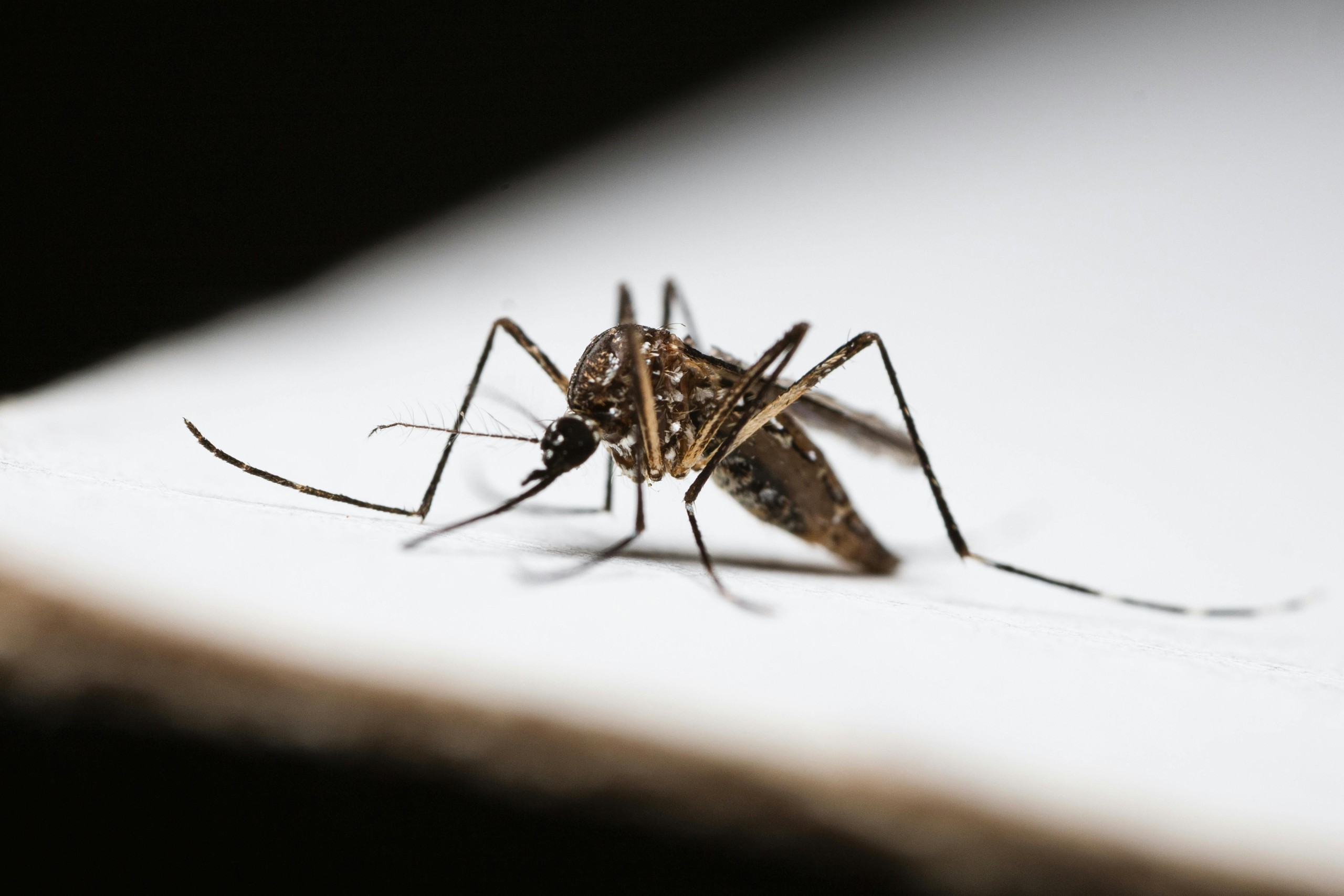
As climate and environmental change continue to reshape ecosystems across the world, scientists are warning that mosquito-borne diseases may spread into new regions, become more frequent, and intensify in areas already under pressure.
A major new international research grant awarded to Dr Monika Moir at the Centre for Epidemic Response and Innovation (CERI) will place Africa at the centre of efforts to better understand one of these moving threats, the West Nile virus.
Although the virus is endemic to Africa and can cause severe neurological disease in humans, it remains surprisingly understudied across much of the continent, according to Moir.
The three-year R14 million grant, funded through the UK’s International Science Partnerships Fund, focuses on the intersection of climate change, infectious diseases, and One Health research.
One Health is based on a straightforward idea that the health of people, animals, plants, and the environment are all deeply connected. When one is affected, the others feel it too. Think of it this way: A disease that starts in animals can spread to humans, and a damaged environment can affect both. One Health brings scientists, doctors, vets, and environmentalists together to monitor these links and respond to health threats more effectively, before they spiral out of control.
Lack of local knowledge
The project combines genomics, ecological surveillance, and predictive modelling to better understand how outbreaks emerge – and how they might be anticipated earlier.
“This project is about understanding how climate change is reshaping the spread of West Nile virus in Africa,” said Moir.
While West Nile virus is often associated with outbreaks in Europe and North America, Africa remains central to the virus’s long-term evolution and circulation. “One of the main reasons for the lack of local knowledge is that surveillance in many African countries remains limited and inconsistent,” Dr Moir explained. “West Nile virus is endemic in Africa, meaning it is regularly circulating, but many infections probably go undetected or unreported.”
The problem is compounded by the nature of the virus itself. “West Nile virus transmission is complex because it circulates silently between mosquitoes and birds long before people become ill,” said Dr Moir. “Without routine monitoring, outbreaks can easily be missed.”
Emerging infectious diseases do not respect borders. Viruses move across countries and continents through complex ecological systems.
The project brings together researchers from the Royal Veterinary College in the UK, the University of Health and Allied Sciences in Ghana, the Pasteur Institute of Tunis in Tunisia, and the Kenya Medical Research Institute. Together, the consortium will investigate how the virus moves across ecosystems and regions, while also strengthening surveillance and research capacity across Africa.
“Emerging infectious diseases do not respect borders,” noted Moir. “Viruses move across countries and continents through complex ecological systems.”
Across Ghana, Kenya, Tunisia, and South Africa, researchers will collect mosquitoes, screen them for the virus, and sequence viral genomes to understand how different strains evolve and spread. The project will also generate rare mosquito surveillance datasets – information that remains limited across much of Africa despite its importance for understanding transmission risk.
“These datasets are incredibly important because they allow us to move beyond simply detecting outbreaks and start understanding how the virus is spreading, evolving, and responding to environmental change,” explained Moir.
By combining mosquito data, viral genomic data, and climate information, the team hopes to identify transmission hotspots and better understand the environmental factors driving outbreaks. The team will also develop transmission risk maps across Africa. “The idea is to help public health systems move from reacting to outbreaks to anticipating them.”
Public health policies
For her, one of the most important aspects of the project is its direct public health relevance. “We hope this work will not only advance scientific understanding of West Nile virus but also help develop stronger disease monitoring systems, better-informed public health policies, and improved preparedness for future disease threats across Africa,” she said.
The project also includes a strong training and capacity-development component, supporting African public health researchers in advanced modelling and analytical approaches. “Building this expertise locally is important for long-term outbreak preparedness.”
For CERI, the grant further expands its growing work in genomic surveillance, epidemic intelligence, and One Health research. “CERI has already demonstrated the power of genomics in understanding and responding to infectious disease outbreaks,” said Moir, adding that the project further builds on the expertise in vector-borne diseases within a One Health framework.
She also sees the award as part of a broader shift in global health research. “I think the grant reflects growing international recognition of the importance of African-led research and collaboration in addressing global infectious disease threats,” she said, adding that “Africa is central to the ecology and evolution of many emerging pathogens.”
ALSO READ: Solar-powered bike expedition showcases African innovation
Over the next three years, the team aims to generate one of the largest genomic datasets for West Nile virus from Africa to date, while developing our understanding of the virus to support earlier detection and more informed outbreak response. The project also positions African researchers and institutions at the forefront of understanding how climate change is reshaping infectious disease risk across the continent.