


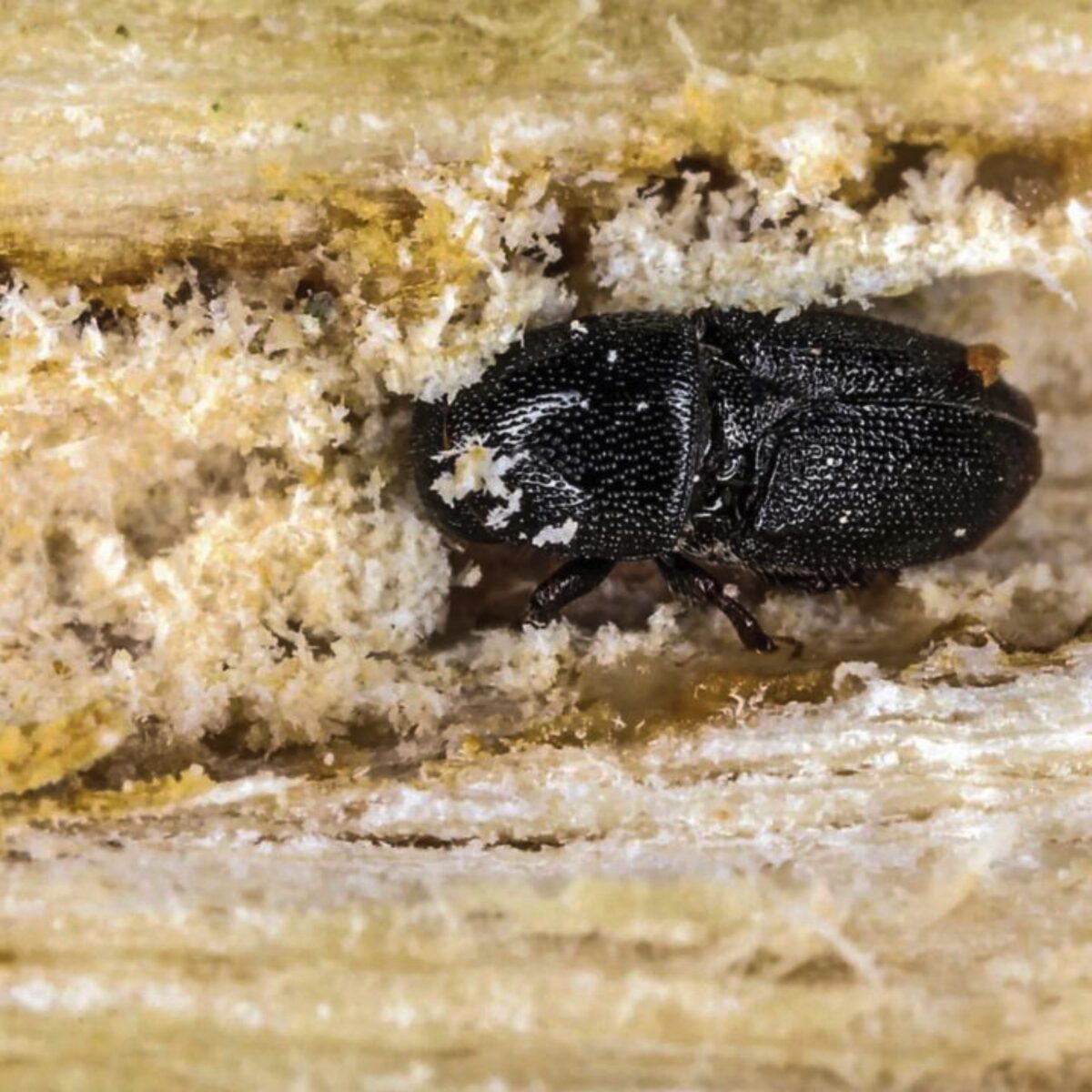
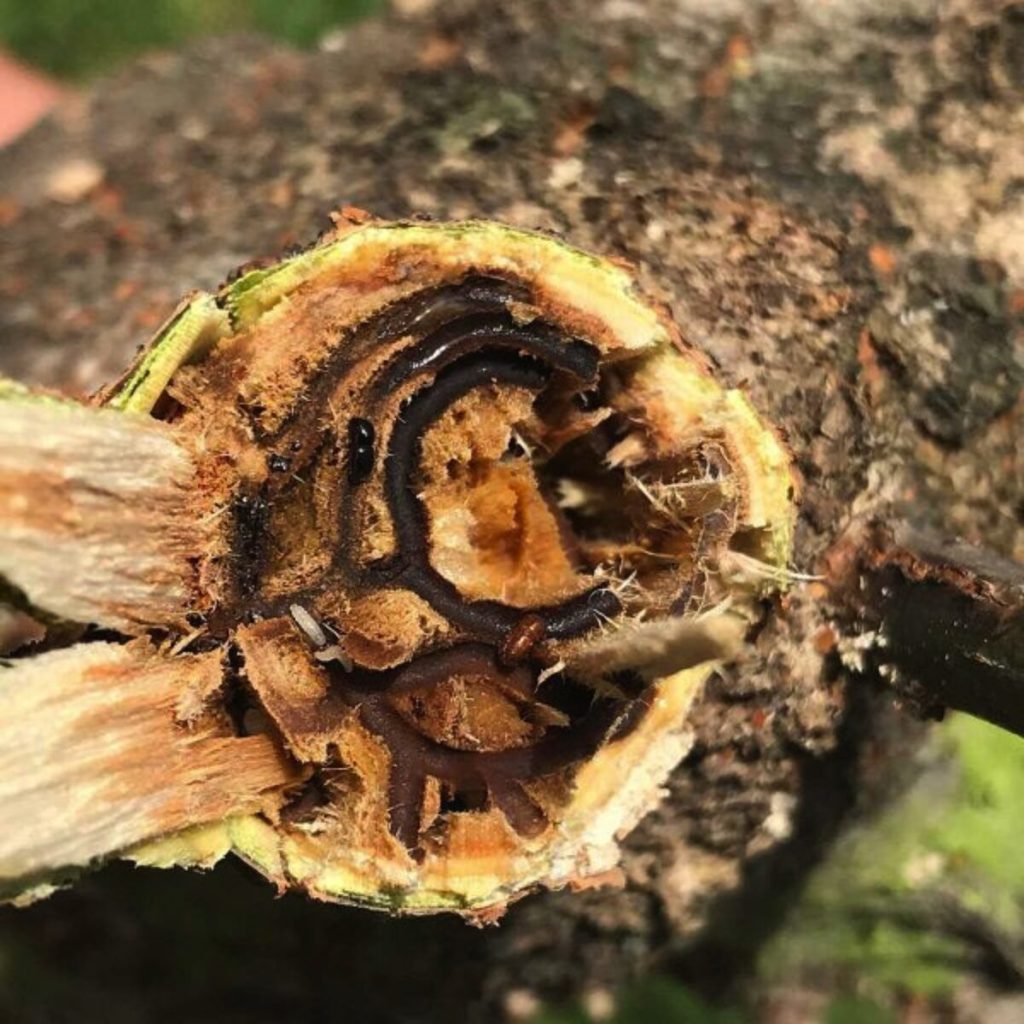
GQEBERHA – The Polyphagous Shot Hole Borer (PSHB), an invasive beetle that kills trees by boring into them and spreading a destructive fungus, is spreading through Gqeberha’s urban green spaces, conservation experts warn.
Alien Invasive Plant (AIP) expert, Reinier Van der Kuip, of the Wildlife & Environment Society of South Africa (WESSA) Algoa Bay Branch, says field monitoring in and around the Baakens Valley and Theescombe has recorded confirmed infestations since last year.
He says the spread is closely linked to human movement of infected wood and green waste, making containment increasingly difficult once infestations become established.
From a conservation perspective, he warns that the PSHB (Euwallacea fornicatus complex), together with its fungal symbiont (Fusarium euwallaceae), represents a “severe and urgent threat” to urban ecosystems such as Gqeberha.
“The beetle attacks a wide range of indigenous and ornamental trees, including many that are structurally and ecologically important in parks, streetscapes and river corridors,” he shared.
If left unmanaged, PSHB could cause extensive tree loss, leading to declining biodiversity, collapse of habitat networks, hotter and less resilient urban microclimates and accelerated invasion by alien plants. Overall, the threat to the ecological integrity and long-term functionality of Gqeberha’s urban green infrastructure is extremely high.
According to updated data from the Forestry and Agricultural Biotechnology Institute (FABI), 181 tree species are susceptible to infestation, including 97 indigenous species.
Of these, 97 species — 55 indigenous — are considered reproductive hosts where the beetle can successfully establish and reproduce, ultimately killing the tree.
ALSO READ: What you must do when you see the PSHB has invaded your garden’s trees
ALSO READ: Removal of Polyphagous Shot Hole Borer beetle-infested trees has started
Van der Kuip warned that this shifts the risk from individual tree loss to broader ecosystem instability. “If left unchecked, PSHB could cause widespread tree mortality and severe biodiversity loss within the metro,” he said. “Open canopy gaps would likely be invaded by alien plant species, further degrading ecosystems and increasing long-term management costs.”
He added that the beetle spreads through infected wood, with human movement acting as the primary driver of new outbreaks.
The Nelson Mandela Bay Municipality (NMBM) says it has activated its Public Health Environmental Management Sub-Directorate following reports of suspected sightings from members of the public.
Officials say all cases are being investigated, with containment measures already underway, including the removal of infected trees, on-site chipping of material and controlled disposal of infested wood at designated sites. The municipality is also working with a specialist who has studied the beetle for several years.
Nelson Mandela Bay Executive Mayor Babalwa Lobishe urged residents to remain calm and support containment efforts.
“We understand the seriousness of the threat this poses to the environmental sustainability of the city, and we are giving it the necessary attention through our environmental management structures,” she said.
Van der Kuip warned that Riparian areas are particularly vulnerable to PSHB, as tree loss along river corridors can increase erosion and weaken natural water regulation processes.
Riparian systems are the natural zones of land along rivers, streams and wetlands. These areas play a critical ecological role by stabilising riverbanks, filtering water, reducing erosion, and providing habitat for birds, insects and other wildlife.
What residents can do to slow the spread
“The beetle is easily transported in infested firewood, timber and garden waste,” Van der Kuip shared. “Human movement is the fastest way for this species to spread between neighbourhoods and cities.”
He urged residents not to move firewood over long distances, to dispose of green waste responsibly and to report suspected infestations immediately.
“Public participation is the most effective and low-cost measure to slow the spread,” he said.
According to Van der Kuip, most South African cities are not adequately prepared for an invasive species outbreak of this scale.
“Current invasive management programmes are largely reactive rather than proactive,” he shared.
While cities such as Cape Town, Johannesburg and Durban have monitoring systems in place, he warned that even these would come under pressure if the spread accelerated.
He called for stronger coordination, rapid-response capacity and stricter control of wood movement.
“Even small-scale movement of infected wood can establish new infestations that are extremely difficult to control,” Van der Kuip warned.
If PSHB spreads widely across the Eastern Cape, Van der Kuip warned that the long-term consequences could be severe.
He added that widespread loss of indigenous trees would fragment habitats, reduce biodiversity and weaken ecosystem services such as shade, carbon storage, water regulation and soil stability.
“Over time, these changes could permanently alter both natural and urban landscapes across the region,” he said.
Citizen science platforms such as iNaturalist allow users to upload photographs of suspected infestations for expert verification. Reports can also be submitted to the Forestry and Agricultural Biotechnology Institute (FABI).
ALSO READ: Dreaded Shot Hole Borer beetles found in Durbanville trees




You must be logged in to post a comment.