

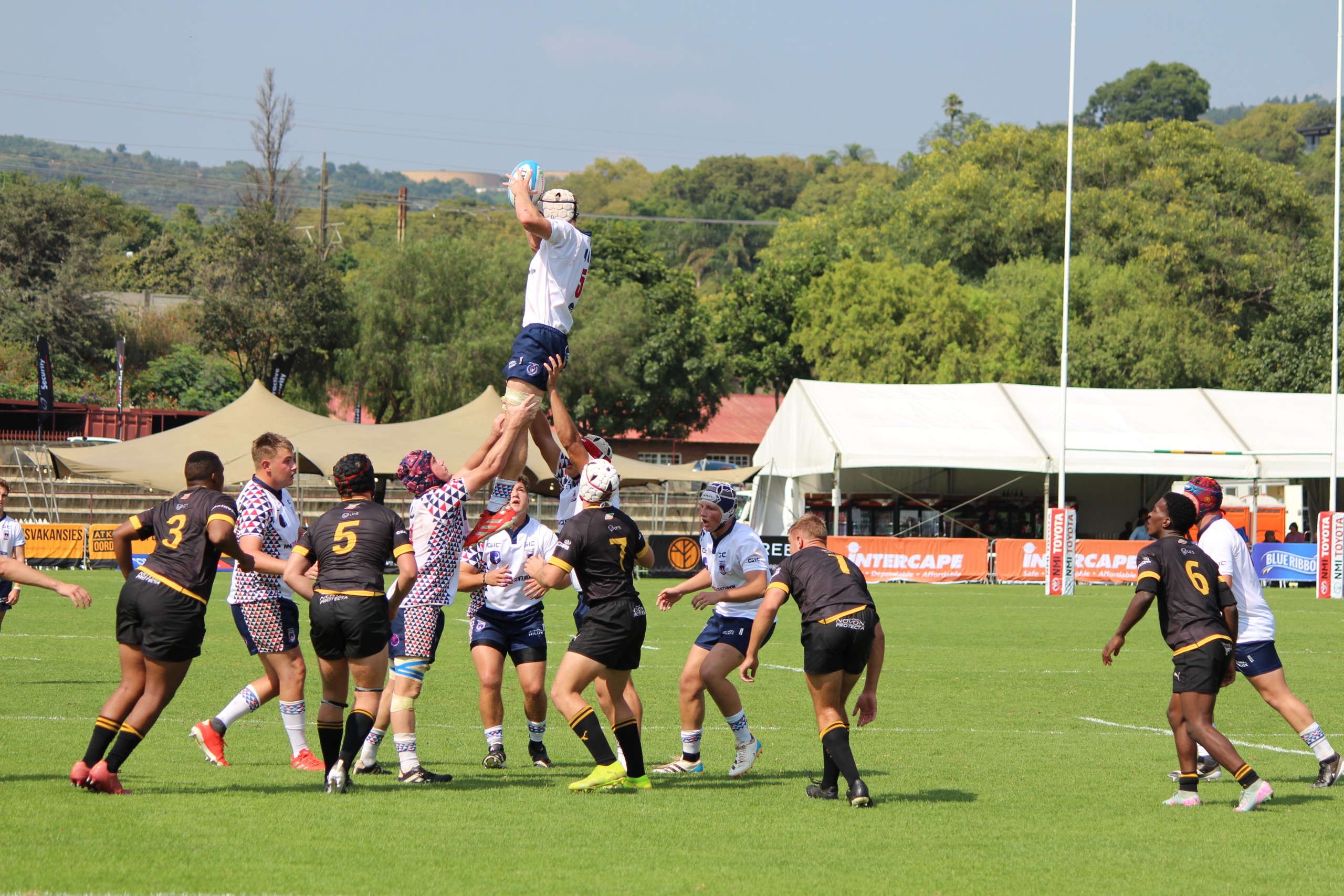
History meets ambition this weekend as the Virseker Noordvaal competition, the oldest major schoolboy rugby competition in South Africa, kicks off another chapter in its remarkable 106-year journey. From the top-tier Cup division to the Bowl battles, hundreds of young rugby warriors will take the field knowing they’re part of something special that stretches all the way back to 1920.
The action kicks off across multiple divisions, with Zwartkop welcoming Klerksdorp in what promises to be a fierce encounter. Wesvalia will host Montana in another mouth-watering clash, Nelspruit travel to Oos-Moot looking to lay down an early marker. The Bowl division sees Potchefstroom Gimnasium welcome Midstream to Mooivallei, a fixture that could set the tone for both schools’ campaigns.
A competition like no other
What makes the Noordvaal truly unique isn’t just its longevity, it’s the ingenious structure that ensures every single player, from the 1st XV captain to the u14C prop, matters. This isn’t a competition where only the top sides count. Here, depth wins championships, and squad strength determines destiny.
The competition draws teams from six unions north of the Vaal River the Pumas, Limpopo Bulls, Bulls, Lions, Leopards and Valke, creating a geographic battleground that encompasses some of South African rugby’s most fertile nurseries.
Divided into four main tiers, Cup, Plate, Shield and Bowl, the pyramid structure creates clear pathways for ambition and brutal consequences for underperformance. But here’s where it gets fascinating: promotion and relegation aren’t determined solely by 1st XV results.
Every player, every point, every match
The Noordvaal’s points system is beautifully democratic. Each team fielded by a school, from the 1st XV down to the u14C side, earns points for playing and additional points for winning. These accumulate throughout the season, creating an aggregate score that determines each school’s fate.
The 1st XV receives one point for playing and five for victory. The u14, u15 and u16 A teams earn one point for playing and four for winning. The 2nd XV collects one point for taking the field and three for triumph. The u14, u15, u16 B teams and 3rd XV bank one point for playing and two for winning, while the u14, u15, u16 C teams and 4th XV get one point for participation and one for victory.
These aren’t just meaningless tallies either. While each age group still competes for its own log points and honours, the aggregate total determines which schools climb the pyramid and which tumble down it. It’s a system that rewards institutional depth and punishes schools that can’t field competitive sides across the board.
Schools qualifying for semi-finals and finals at 1st XV and A team level earn additional points for participation and victories at this knockout stage, making those crucial matches worth even more in the promotion-relegation battle.
The dynasties and the dreamers
Affies, though no longer part of the league structure, remain the competition’s most decorated institution with 18 titles – a record that stands as testament to decades of excellence. But new powers are emerging.
Garsfontein stand on the cusp of history. Victory in 2026 would deliver a fourth consecutive Noordvaal Cup title, adding 2026 to their trophy haul from 2023, 2024 and 2025. The Pretoria powerhouse has established a dynasty, but as every champion knows, the target on your back grows heavier with each passing season.
The landscape shifted at the end of last season when Nelspruit and Transvalia suffered the heartbreak of relegation from the Cup to the Plate division. Their pain became Middelburg’s gain, with the newly promoted school now facing the challenge of survival at the top table.
Expansion and evolution
The competition continues to evolve. This season sees the Bowl division expanded to 12 teams, split into East and West pools.
Beyond the top four tiers lies an extensive pyramid. The 2nd, 3rd, 4th, 5A and 5B divisions operate at union level, with champions earning promotion rights (though schools in divisions 3, 4 and 5 can decline advancement if they feel unprepared for the step up).
In total, 220 schools compete across all divisions, creating a vast ecosystem where a school can start in division 5 and, with enough commitment and development, climb all the way to the Cup. The pathway exists; the question is whether schools possess the vision and resources to navigate it.
The spirit of competition
Tinus Diedericks, chairman of the Noordvaal competition, captures the essence of what makes this tournament special.
“The stature of this competition is amazing, the fact that it has survived as long as it did, just shows how strong the competition is,” Diedericks explained. “The best want to play against the best. It creates a platform for schools to compete. It builds the sport and camaraderie. It is about every coach and child that competes. It is a special competition, one of the oldest competitions in the world, I believe. Go out and play, enjoy the competition. You are part of the rich history of the competition.”
It’s a sentiment that resonates deeply. In an era where sporting competitions come and go, where structures change with bewildering frequency, the Noordvaal has endured. It has survived world wars, political upheaval, professional rugby’s birth, and countless administrative challenges. Yet here it stands, 106 years on, as vibrant and competitive as ever.
This weekend and beyond
As the 2026 season kicks off this weekend, hundreds of young players will pull on their school jerseys knowing they’re stepping into a lineage that stretches back over a century. Some will dream of Cup glory, others of avoiding relegation. Some will celebrate promotion-winning performances, others will learn harsh lessons about life at the top.
But all of them – every single player, from the 1st XV stars to the u14C grinding it out in the third match of the day,will contribute to their school’s destiny.

