

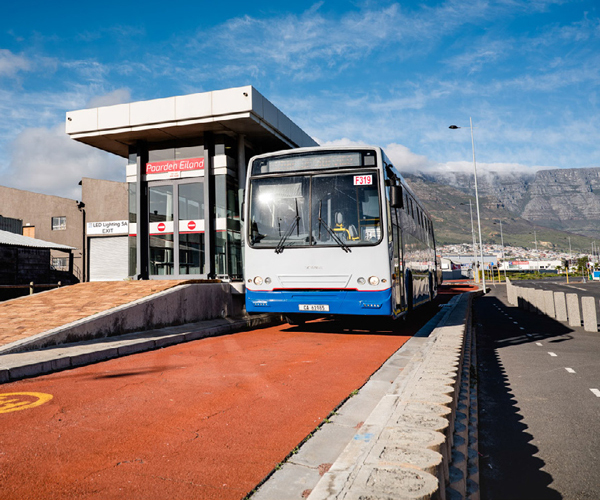
CAPE TOWN – The City of Cape Town is poised to become a pioneer in sustainable public transport as its Urban Mobility Directorate prepares to take delivery of its first electric bus in August, with a further 13 e-buses arriving before year-end.
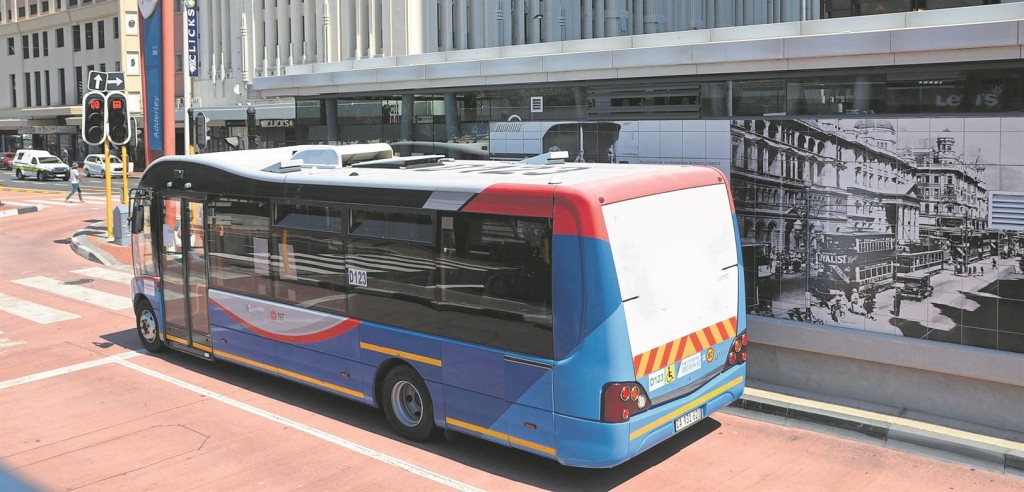
The groundbreaking fleet of 30 low-floor electric buses represents a major milestone for South African public transport, particularly as these 12-metre Volvo BZRLE vehicles will be the first electric buses with bodies manufactured locally in Johannesburg.
The delivery schedule spans 11 months, with the inaugural bus arriving in August this year, followed by 13 additional vehicles by December, and the remaining fleet arriving by June 2027. The electric buses will initially service MyCiTi routes in the metro-south east, including new Phase 2A routes.
Cost savings expected
Rob Quintas, Mayoral Committee member for Urban Mobility, emphasised the timely nature of the initiative given current global uncertainties.
“The delivery of the electric bus fleet cannot be more timeous, given the volatility of the energy markets and uncertain geopolitical environment,” said Quintas. “Apart from lowering our carbon emissions, an electric bus fleet could offer multiple other benefits, especially as far as maintenance and operational costs are concerned.”
International experience suggests substantial financial benefits, with some countries reporting up to 70% reductions in operating costs for electric bus fleets. Cape Town will conduct its own research to determine potential local savings.
Comprehensive research
The City has partnered with the University of Cape Town to undertake extensive research testing how electric buses will integrate with the existing MyCiTi fleet. The research programme, funded by the City and a grant from the Urban Electric Mobility Initiative (UEMI), will commence in coming months.
The 12-month testing period will evaluate crucial operational factors including battery performance across different route profiles, charging times and the impact of passenger loads and climate conditions on battery discharge rates.
“The research will help us understand how the electric buses will perform in our local context, and what challenges we need to consider before we roll-out the e-bus fleet in 2027,” Quintas explained.
“This information will assist us with planning and preparations, such as the training of bus drivers, maintenance requirements, passenger loads and fault reporting.”
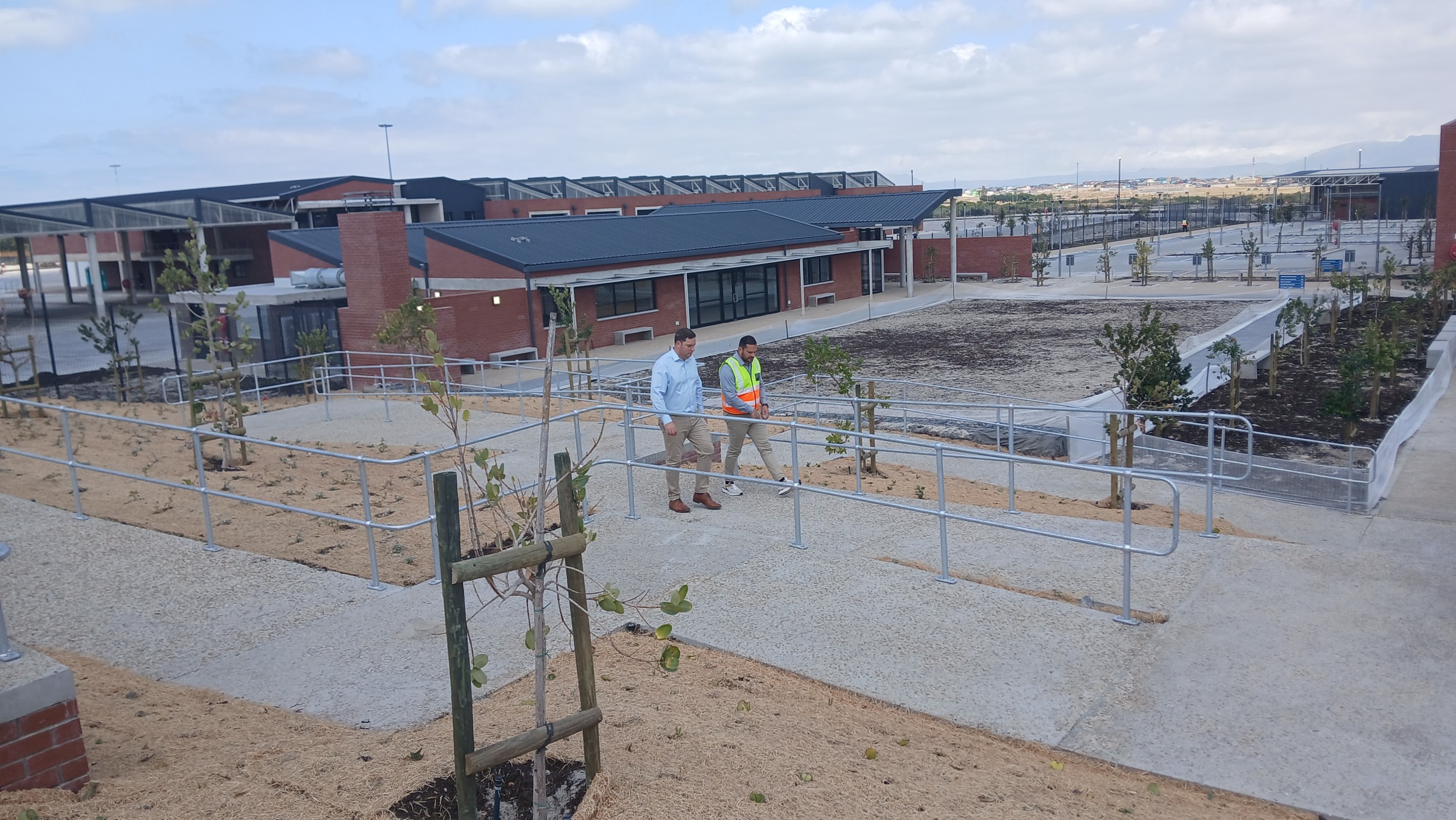
ALSO READ: R430m MyCiTi bus depots completed between Khayelitsha and Mitchells Plain
Launch timeline
Subject to successful testing, the first electric buses are scheduled to begin passenger service on 1 July 2027. The initial routes will connect Mitchells Plain and Khayelitsha with Wynberg, Claremont and the Cape Town CBD.
The City indicated that acquiring additional electric buses remains a priority, though expansion will depend upon budget allocation from national government.
This initiative positions Cape Town at the forefront of sustainable transport solutions in Africa, potentially serving as a model for other South African cities seeking to reduce their carbon footprint while improving public transport efficiency.
ALSO READ: Western Cape allocates R3.5 billion for transport improvements





You must be logged in to post a comment.